RUN Hero

RUN

Split-Screen Psychological Thriller

EDITING & SOUND DESIGN
SPLIT SCREEN STORYTELLING
COLOUR GRADING
VISUAL TENSION
DA VINCI RESOLVE
AFTER EFFECTS

THE PROBLEM

SEEKING CALM

THE BRIEF

DESIGN CHALLENGE

THE SOLUTION

AURI SYSTEM

INTENDED AUDIENCE

WHO IT'S FOR

THE PROBLEM

RUN explored how split screen can carry psychological meaning rather than only being a visual gimmick.

The challenge was to tell two separate timelines in parallel while keeping them emotionally linked as one experience.

Both halves needed to feel like they belonged to each other, even when they were not physically together on screen.

For editing specifically the problem was to shape rhythm, pacing, sound and cuts in a way that made dual perspectives feel like a single psychological state, not noise or distraction.

THE BRIEF

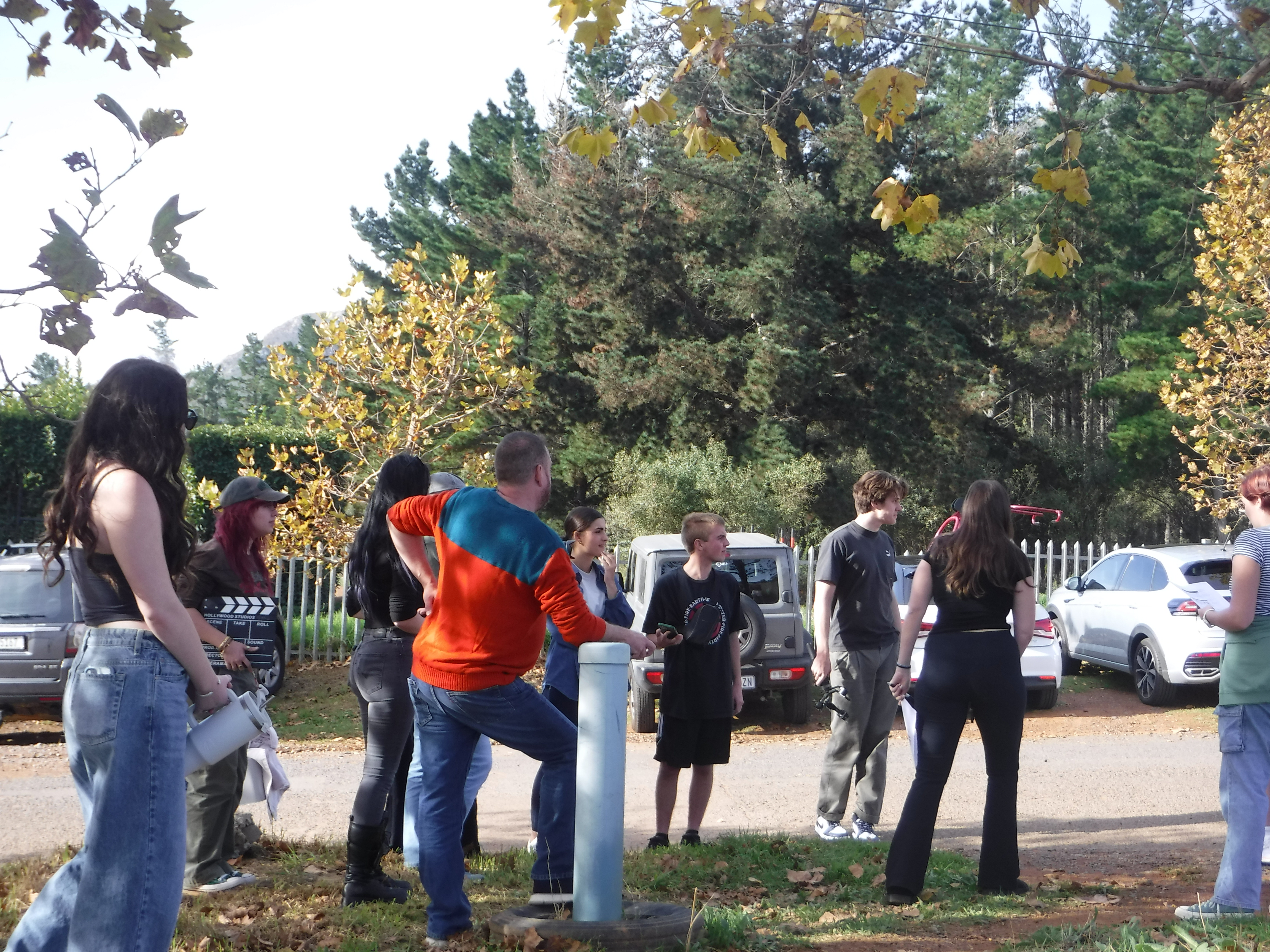
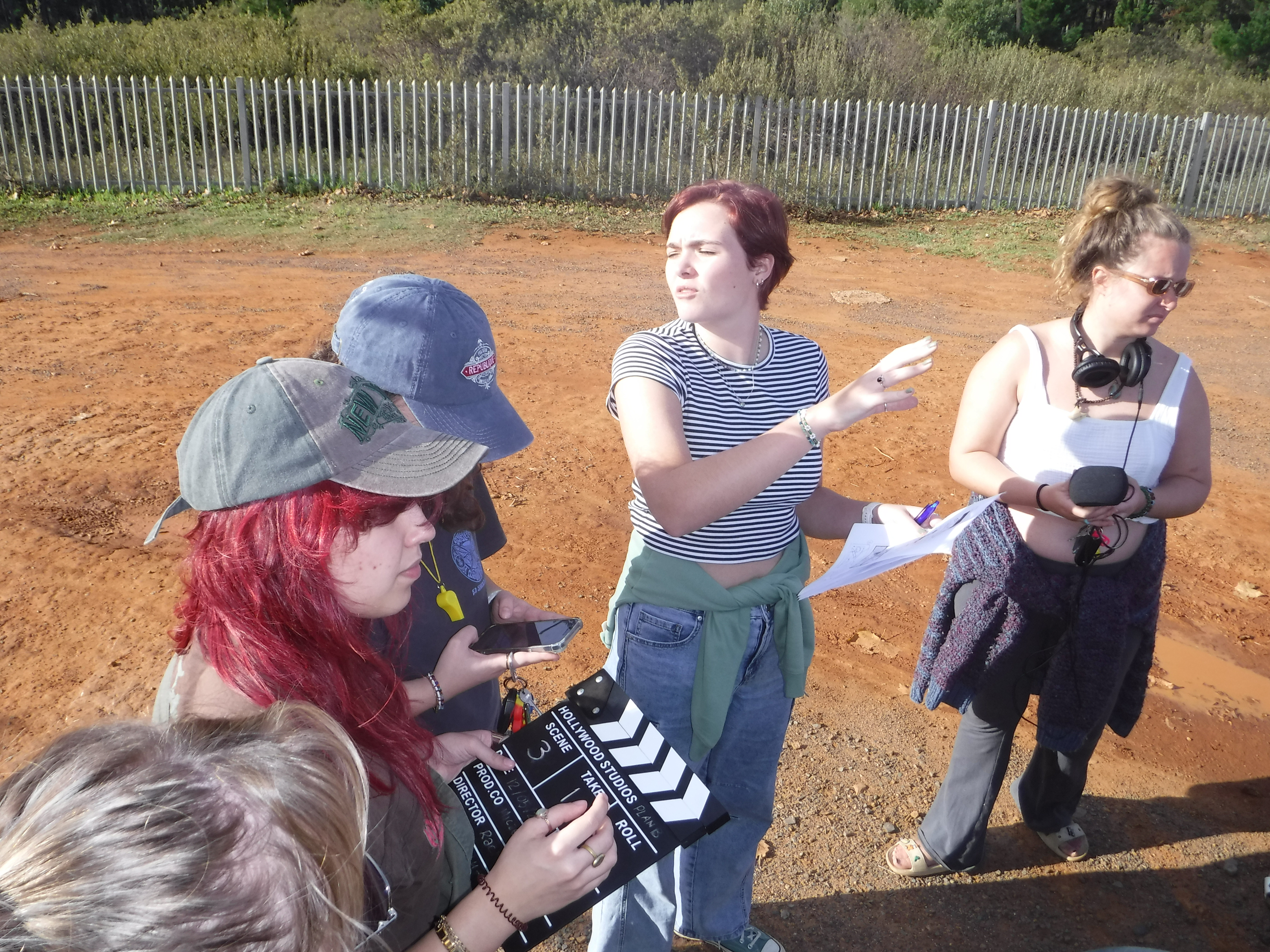
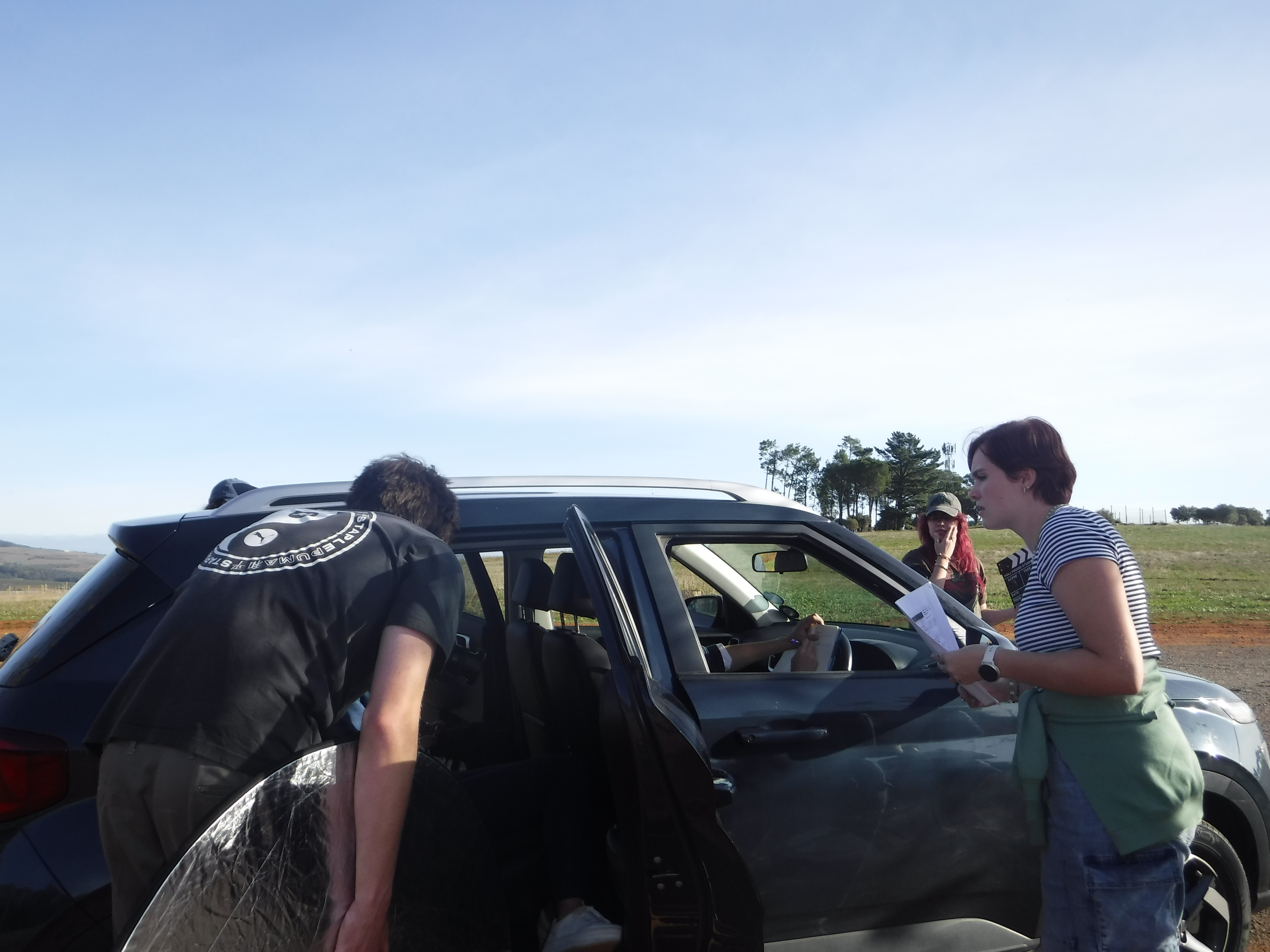
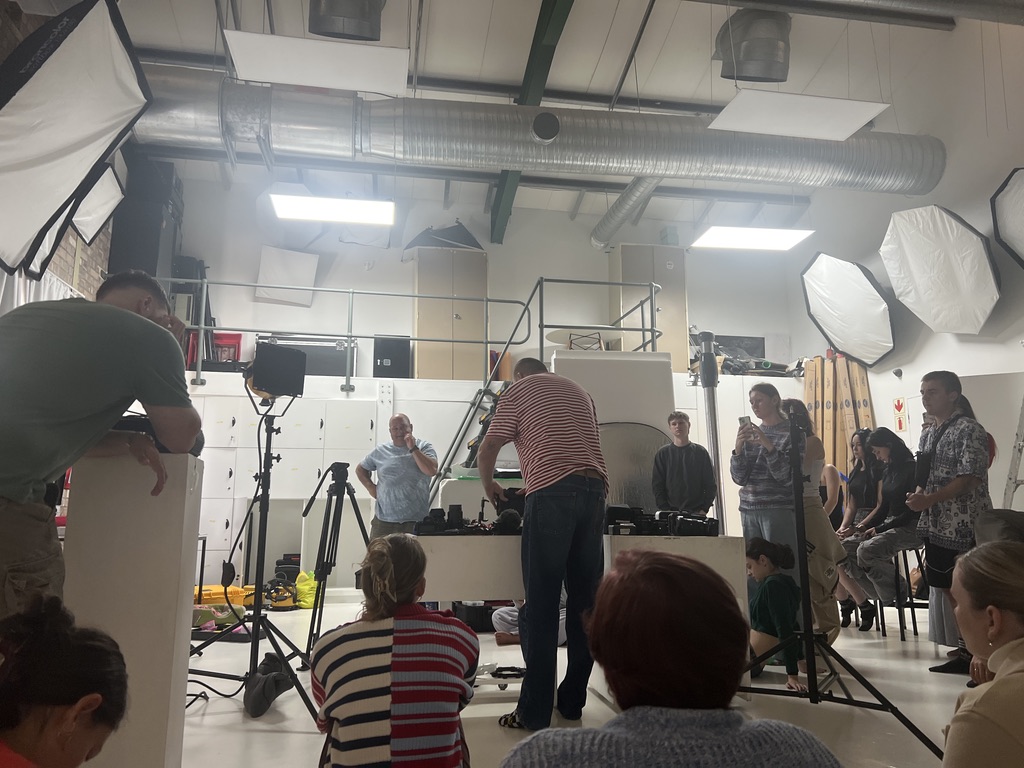
The brief was to conceptualise and produce a 10 to 20 minute short film that treats split screen as a storytelling engine. Two different crews filmed two different sides of the same narrative. The aim was that each side could stand alone, but when combined they would form a complete emotional arc.

Deliverables included pre production documents, production planning, a final edited split screen short film, final sound, colour grading, marketing material for the premiere and reflective documentation on collaboration and individual contribution.

THE SOLUTION

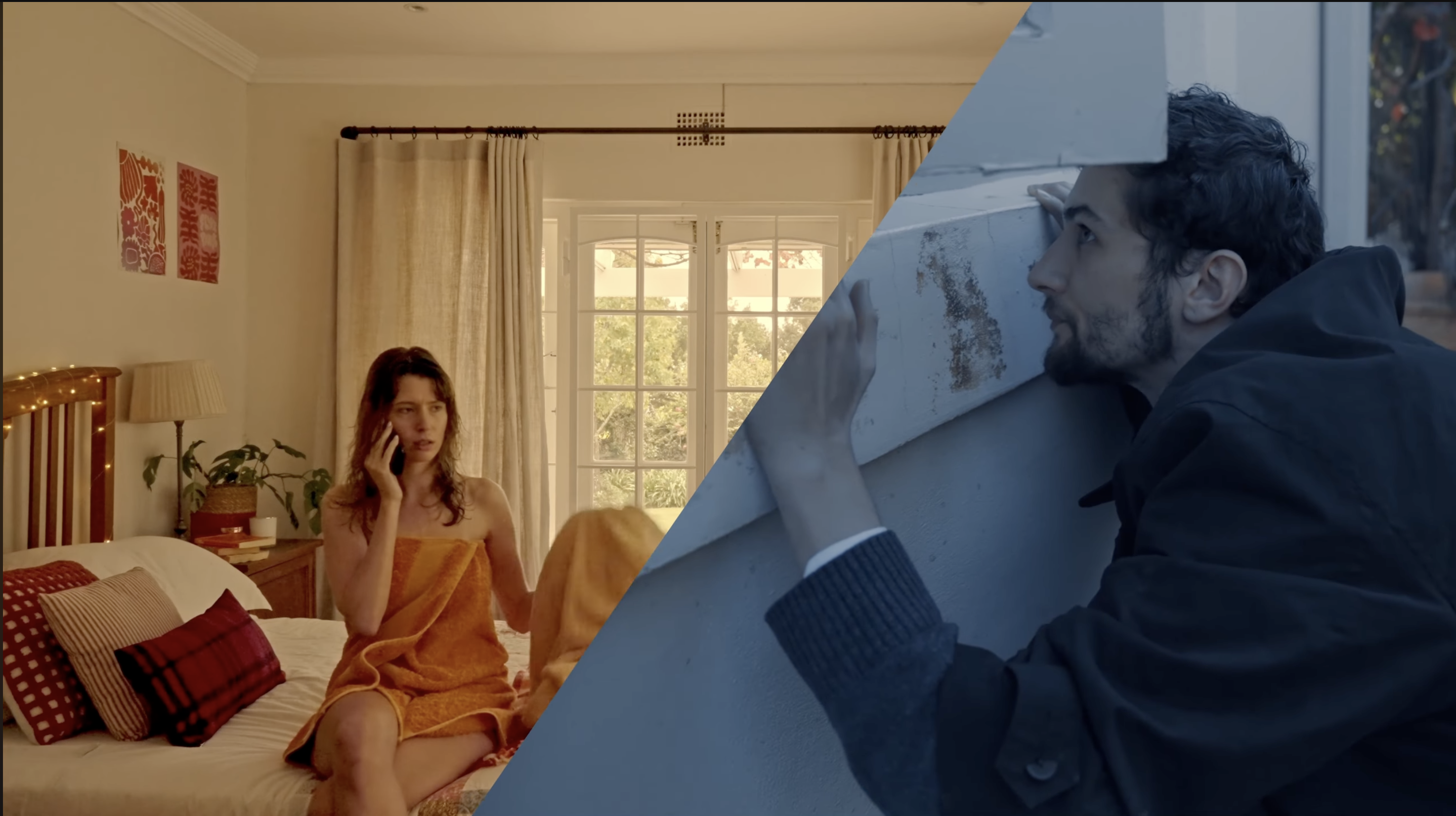
RUN is a psychological short film about pursuit, obsession and inevitability. One timeline follows the hunter. The other follows the prey. As the story unfolds those two emotional worlds begin to mirror each other. Editing became the point where these two realities finally collide.

As the editor I worked with pacing, motion alignment, sound accents, colour separation and subtle visual cues to create a single pulse between both screens. Instead of treating the two sides as separate cuts, I edited them like two lungs that breathe together. Small sync events like footsteps and glances became micro connections that hold the film in one psychological place.

RUN proves that split screen can function as emotional language, not just as an effect.

INTENDED AUDIENCE

RUN is designed for viewers who enjoy psychological thrillers, experimental visual storytelling and films that reward attention to detail. The audience is people who are interested in cinema that experiments with structure, rhythm and perspective, and who enjoy narratives that slowly build tension through movement, silence and subtle visual alignment.

CONCEPT & NARRATIVE

RUN tells the story of two people locked in a psychological chase. On one side we see Dan who becomes fixated on a presence he cannot fully identify. On the other side we follow Mira who feels hunted even before she sees proof that she is in danger.

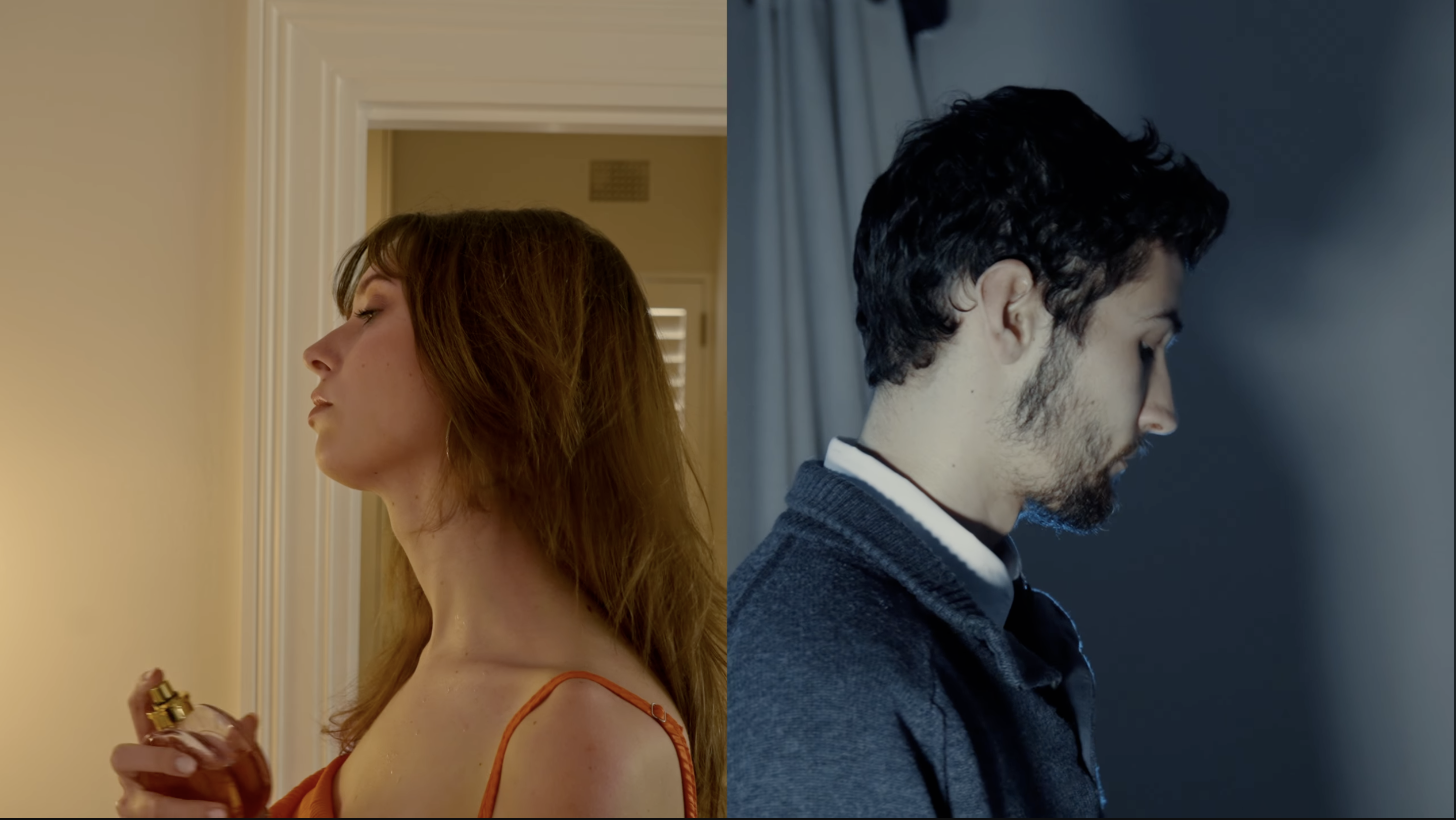
Both characters follow their own paths through familiar spaces that slowly feel wrong. The more their worlds intensify the less it matters which side is hunter or prey because the fear becomes shared. The split screen format lets us experience both realities at the same time which makes tension come from anticipation rather than surprise.

In the end RUN lets the viewer sit inside the uncomfortable space between what we think is happening and what might already be inevitable.

BRANDING & TYPOGRAPHY

RUN Main Logo

The Studio Logo:

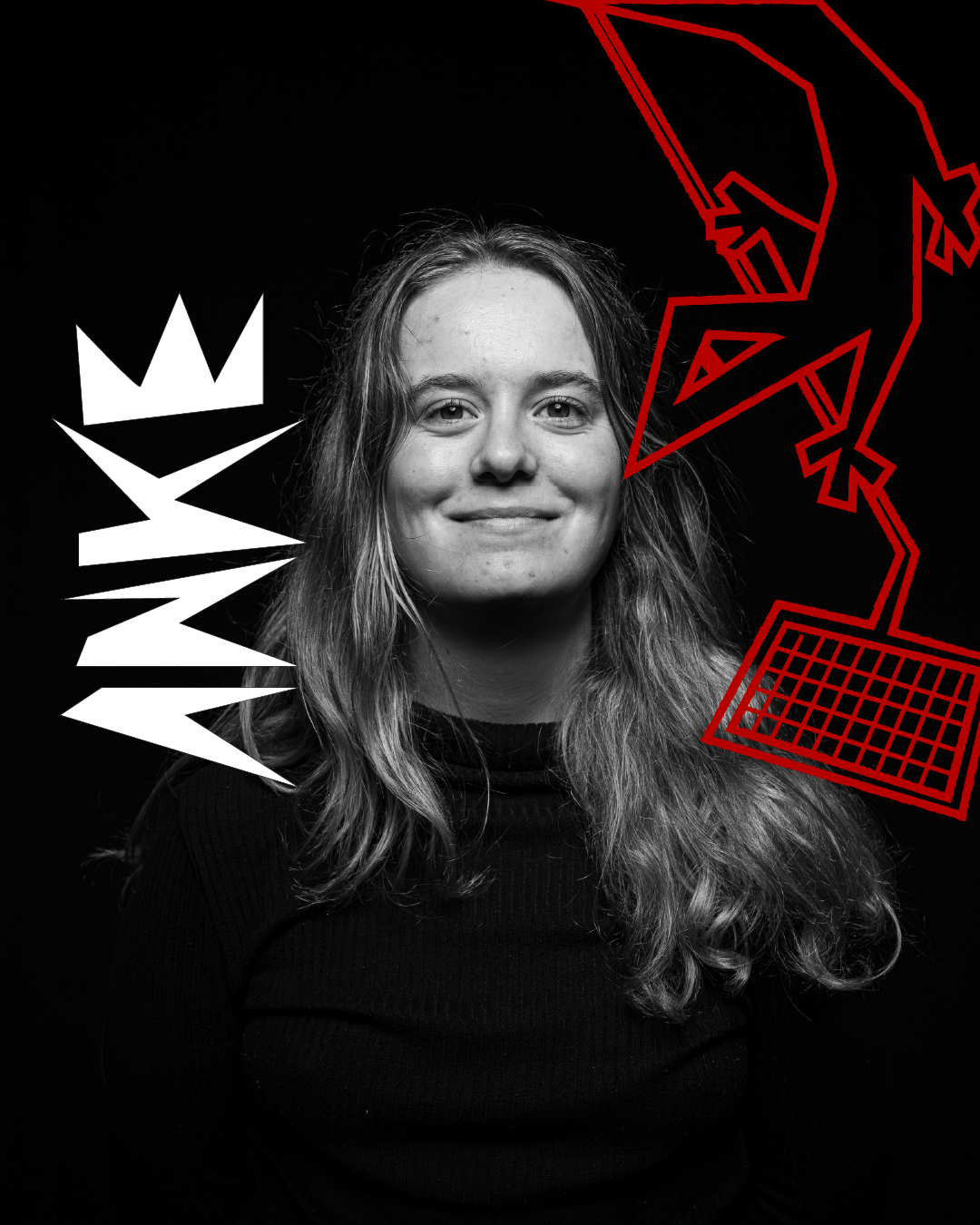
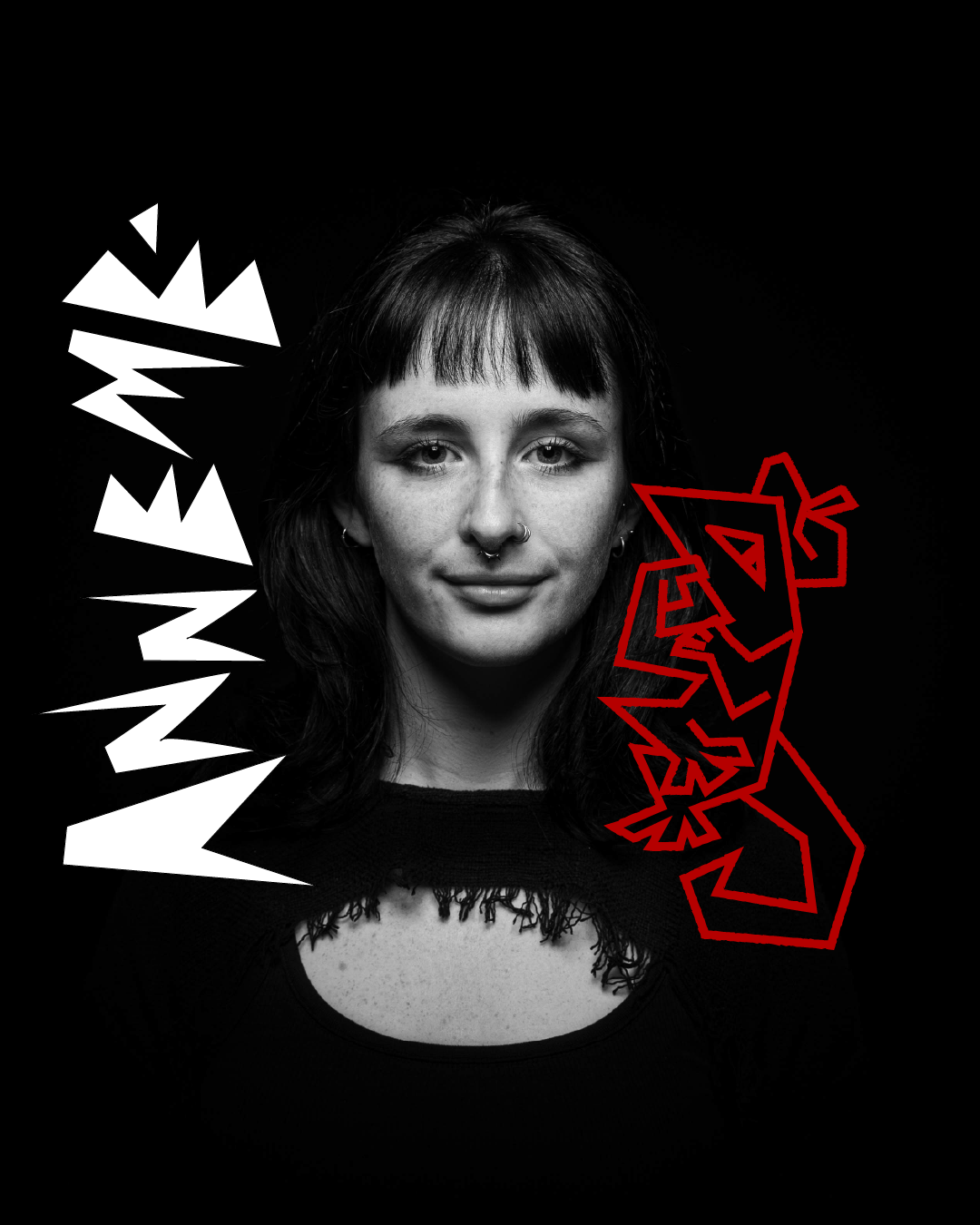
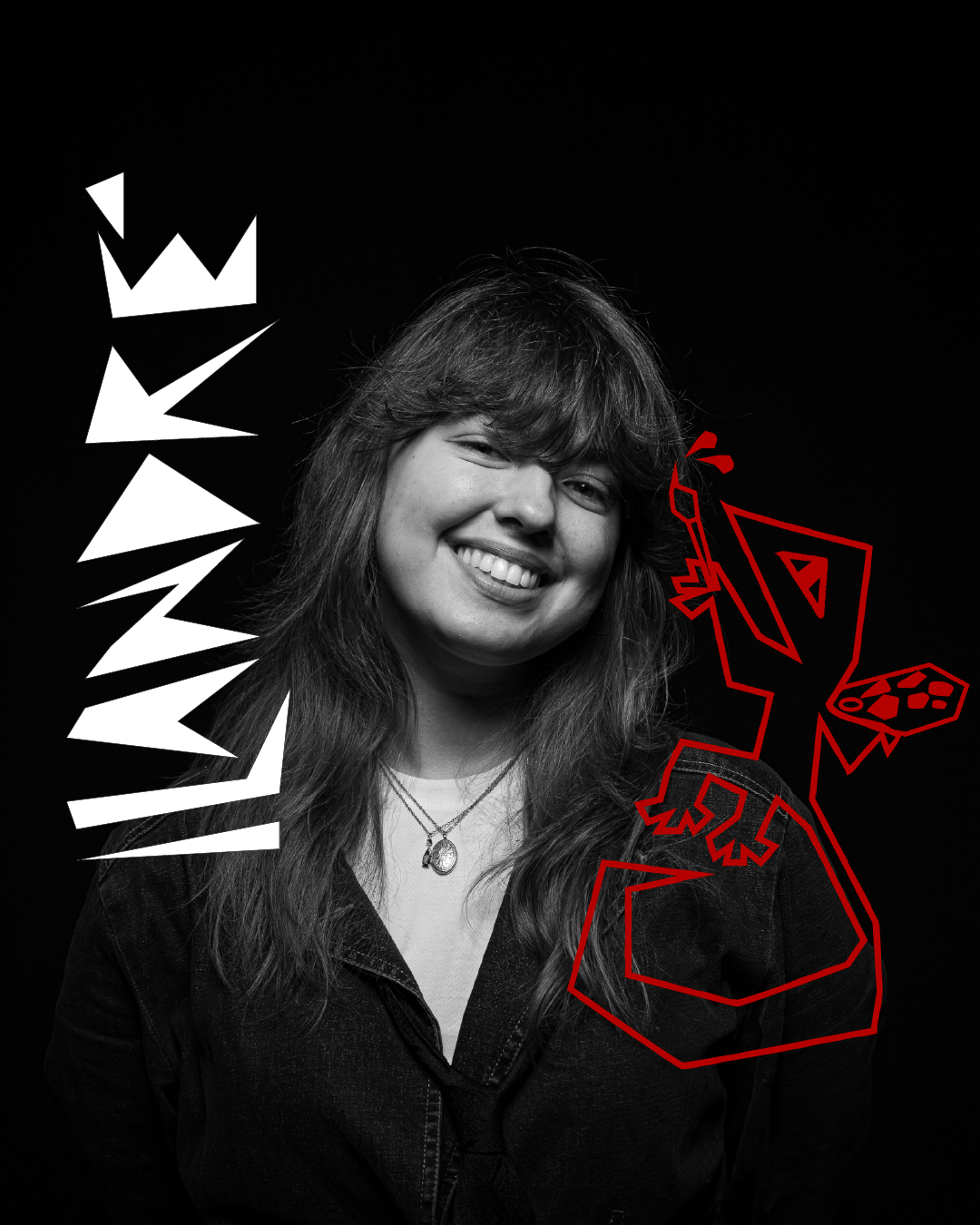
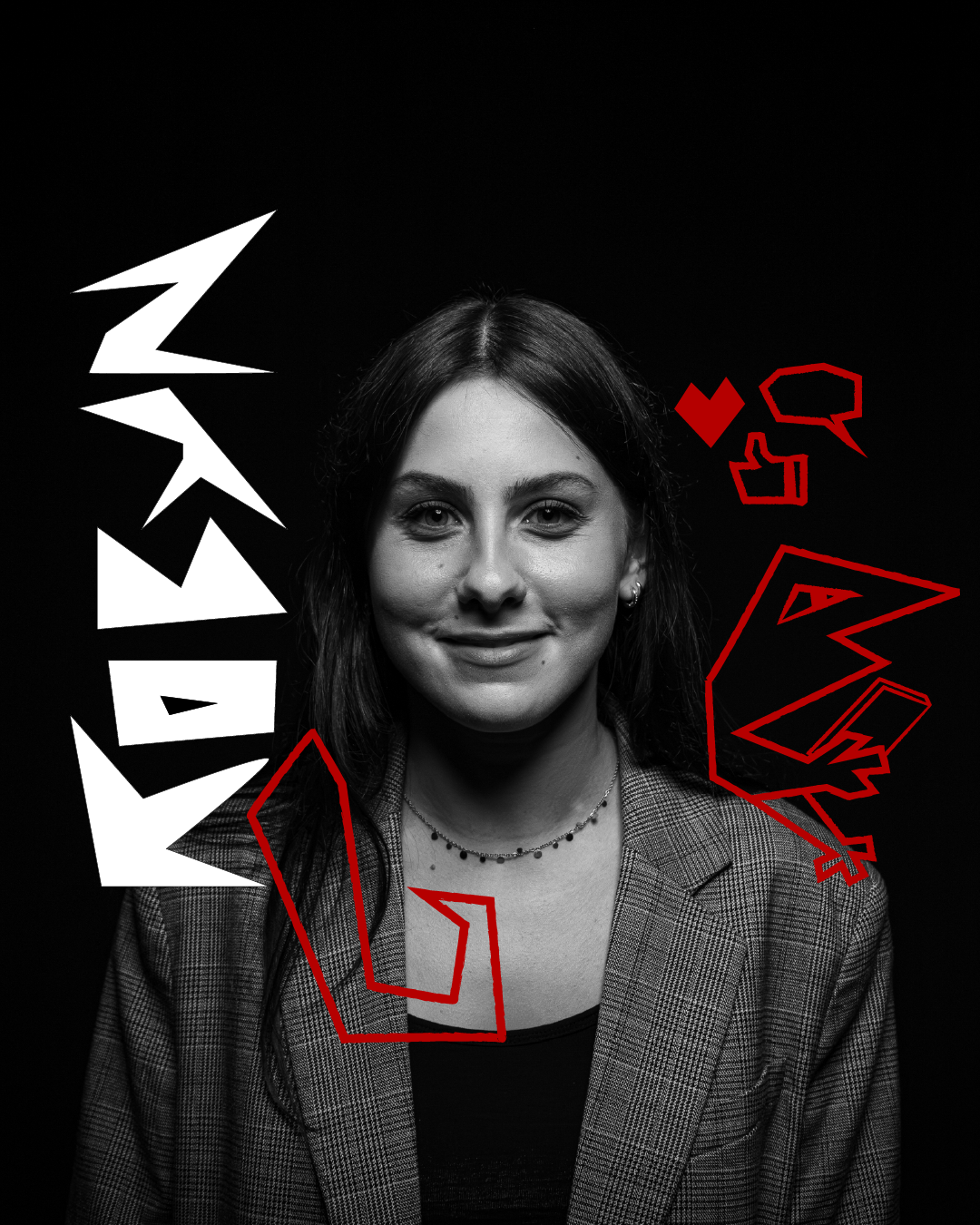
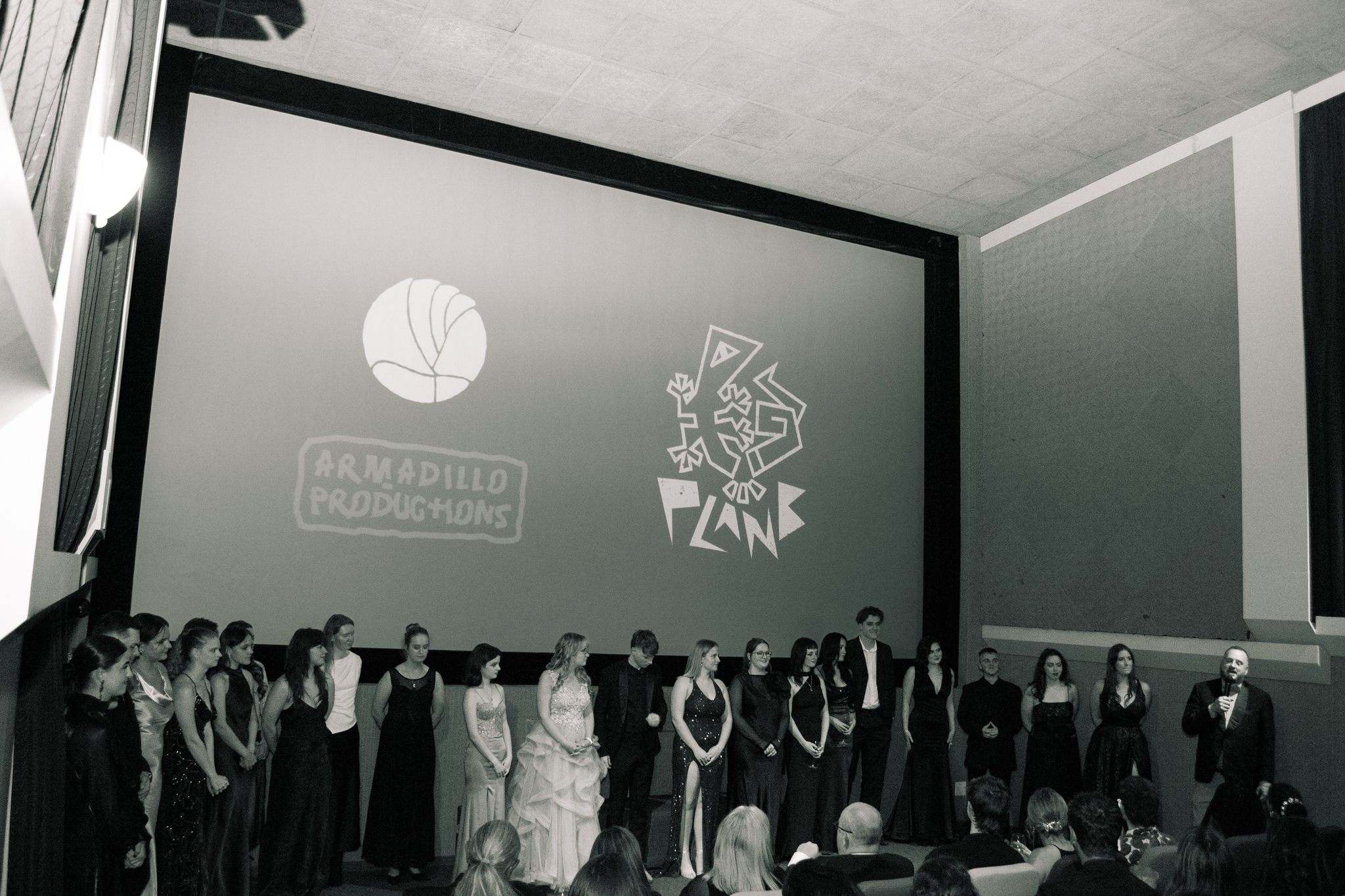
The Plan B studio logo was designed by our graphic designer Ilandre Viljoen. The logo is a gecko built in the rough angular style of our title type. It became a small running joke in the team because the gecko shows up in crew images in different poses. It represents the playful human side of our collective identity instead of a polished corporate mark.

RUN Poster

The Film Poster:

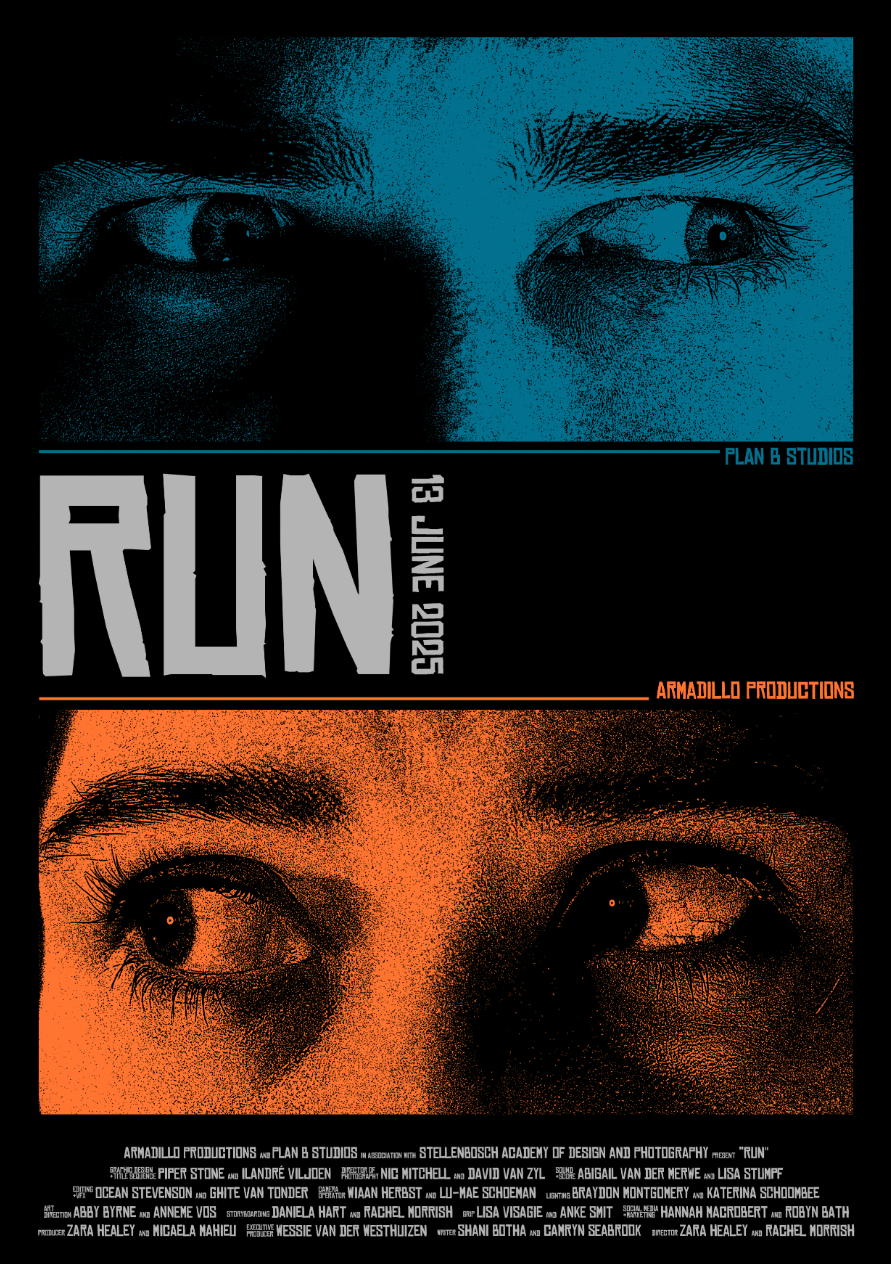
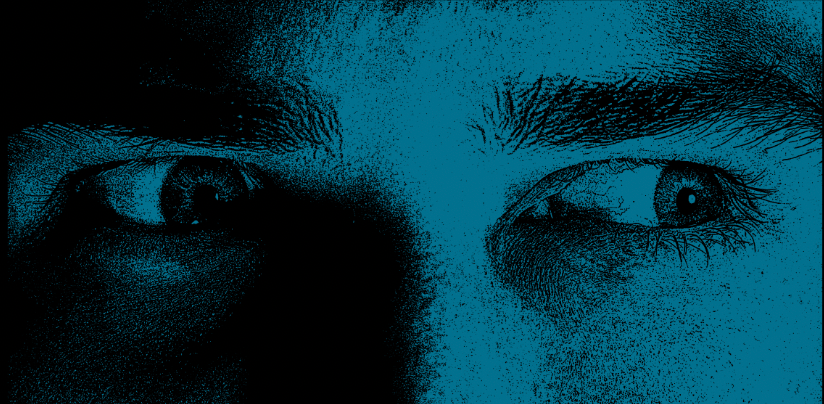
The official RUN poster uses a split warm and cold palette to visually separate the hunter and the prey before the film even begins. Bold typography and extreme close ups were used to communicate psychological pressure and dual perspective. The poster acts like a preview of the emotional structure in the final film.

Typography:

chinese rocks

Color Palette:

#FF742F
#00718F

MY ROLE

As the editor, my role centered on making two independent narratives breath like one, bringing the directors vision to reality. I crafted the pulse of the film by aligning motion pacing, sound and colour so both screens feel like they belong to one state rather than two separate stories.

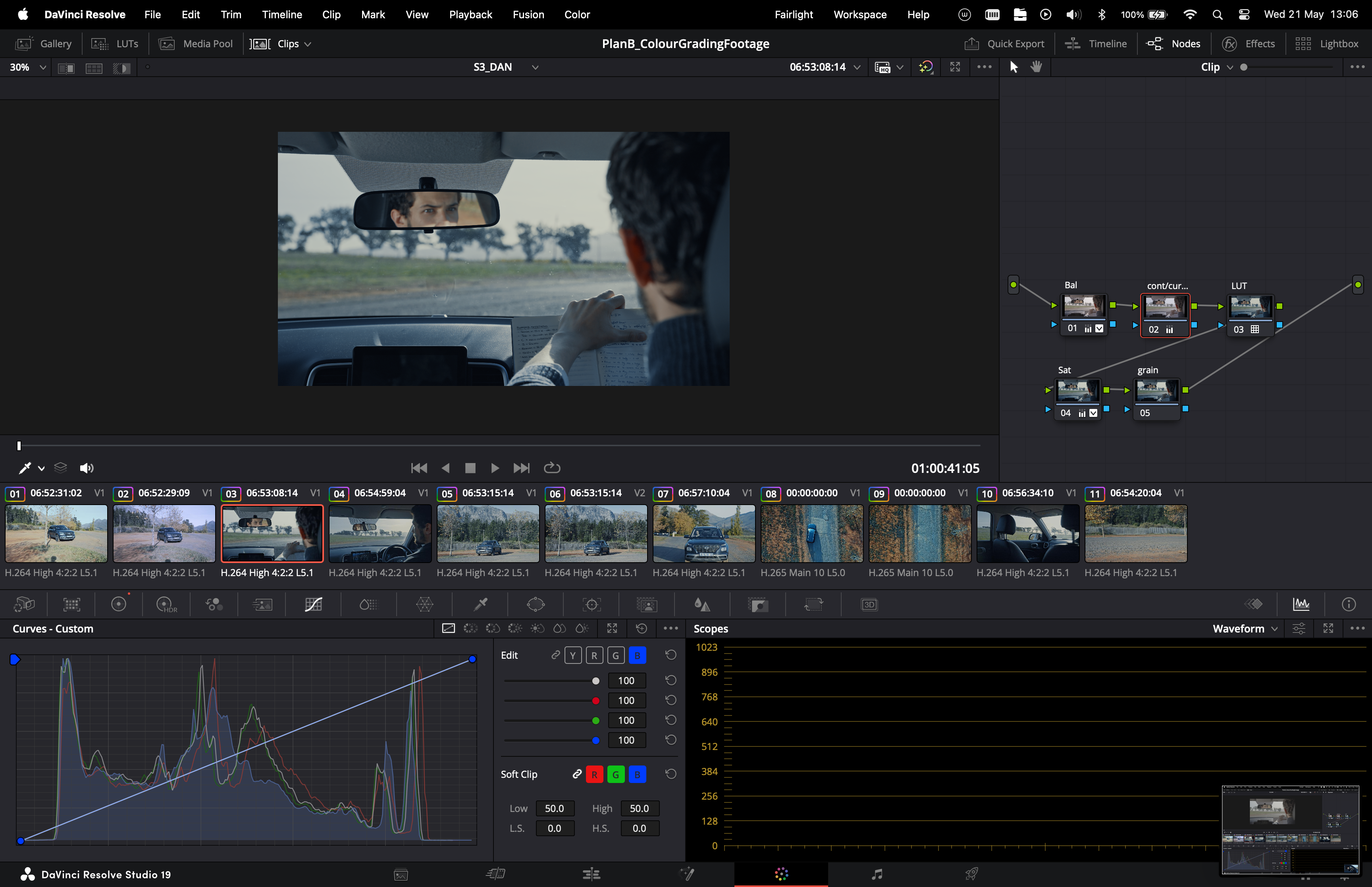
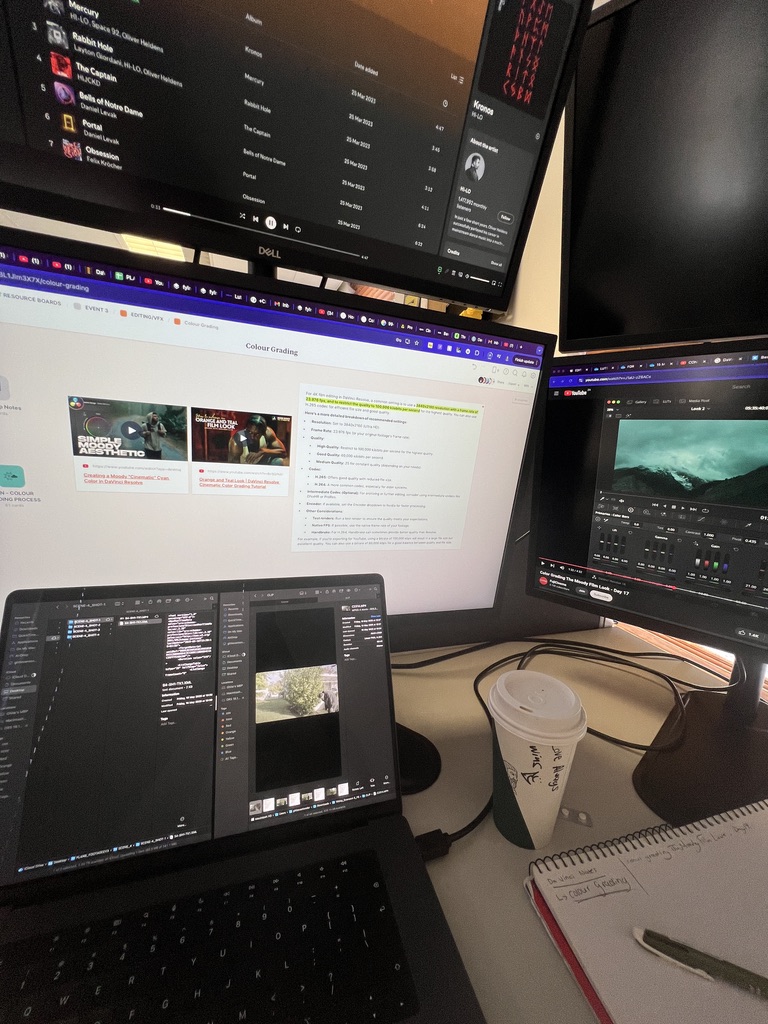
Editing became less about clip arrangement and more about emotional choreography. Some footage came from handheld rigs, which created micro wobbles that felt distracting in split screen. Mainly editing using Da Vinci Resolve and using After Effects for the rotating split. Stabilising the footage helped psychological tension build through performance rather than camera shake.

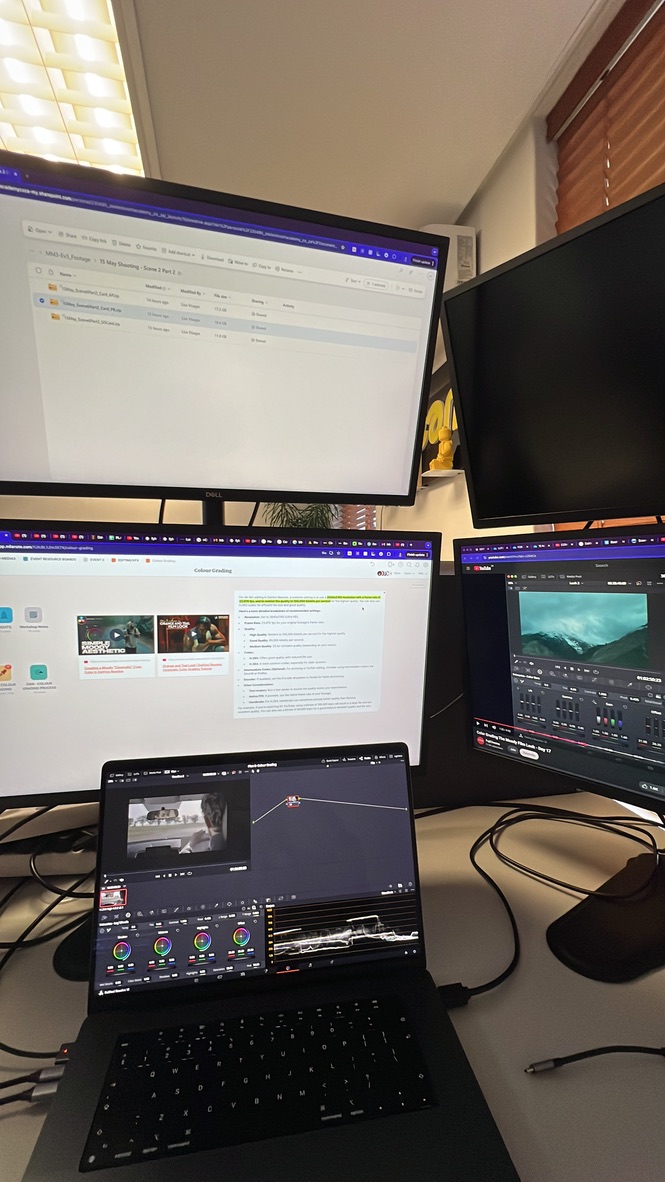
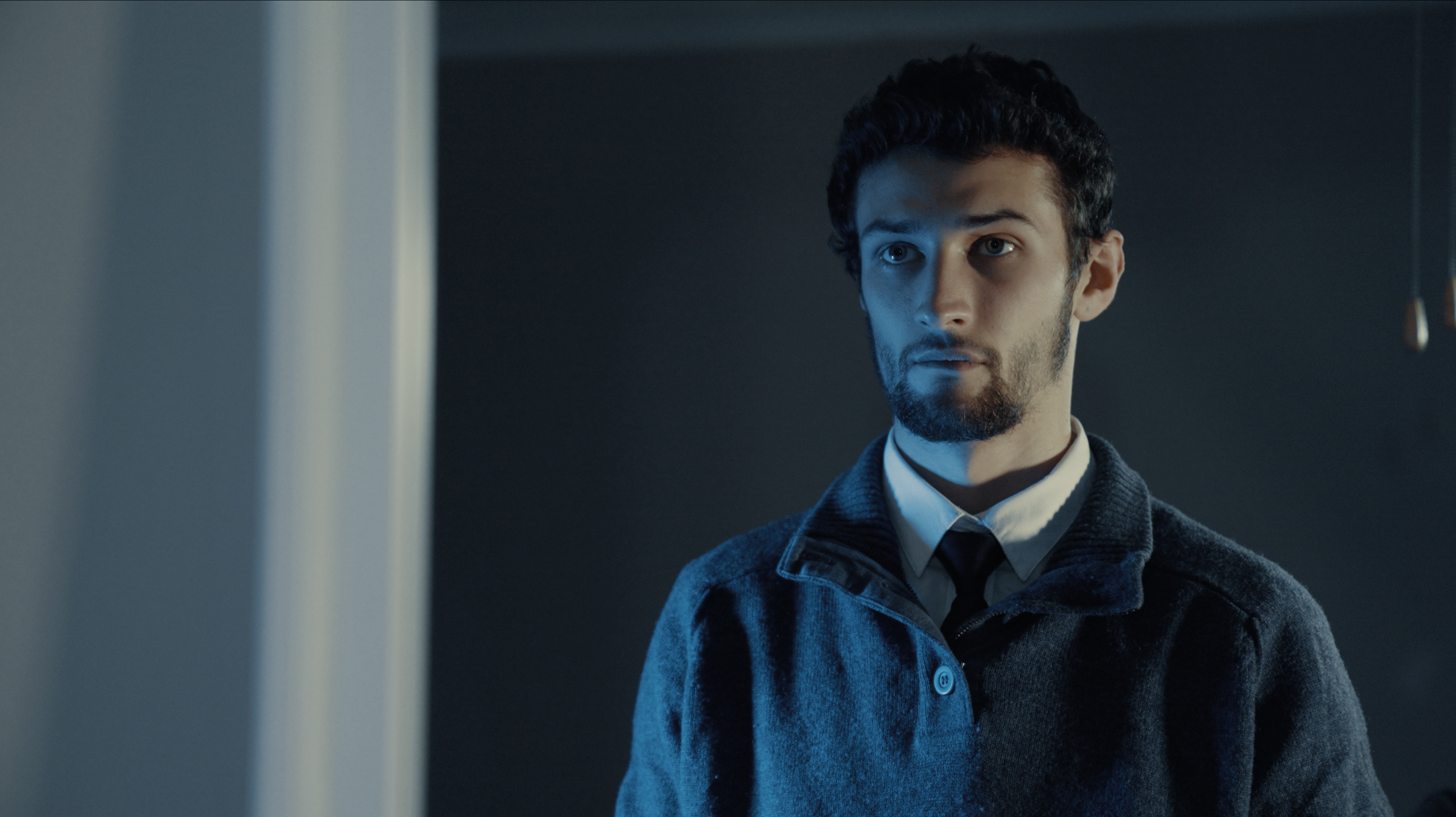
A lot of effort was put into the actual colour grading of the film, the footage being filmed on hot summer days created the challenges of making sure the footage on Dan's side was cool and blue.

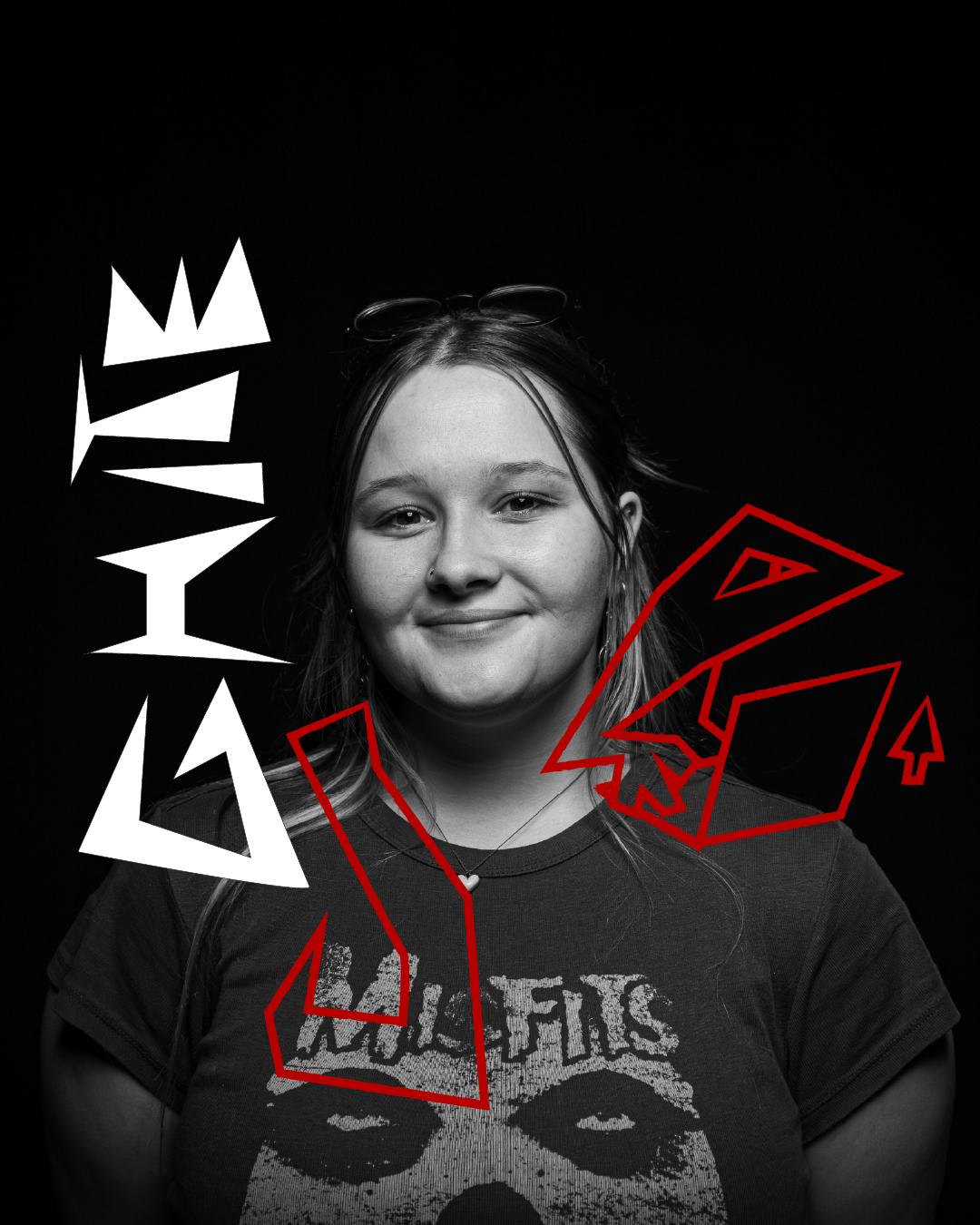
Ghite - Editor

EDITING SCENES 2, 4 & 5

I handled full edit assembly for scenes 2, 4 and 5 which meant selecting takes, fine trimming pacing, emotional beats and creating movement that felt continuous across both timelines. Instead of editing each side separately, I constantly checked how a cut on one side would emotionally land when played next to the other side.

Scene 2 Thumbnail

Scene 2

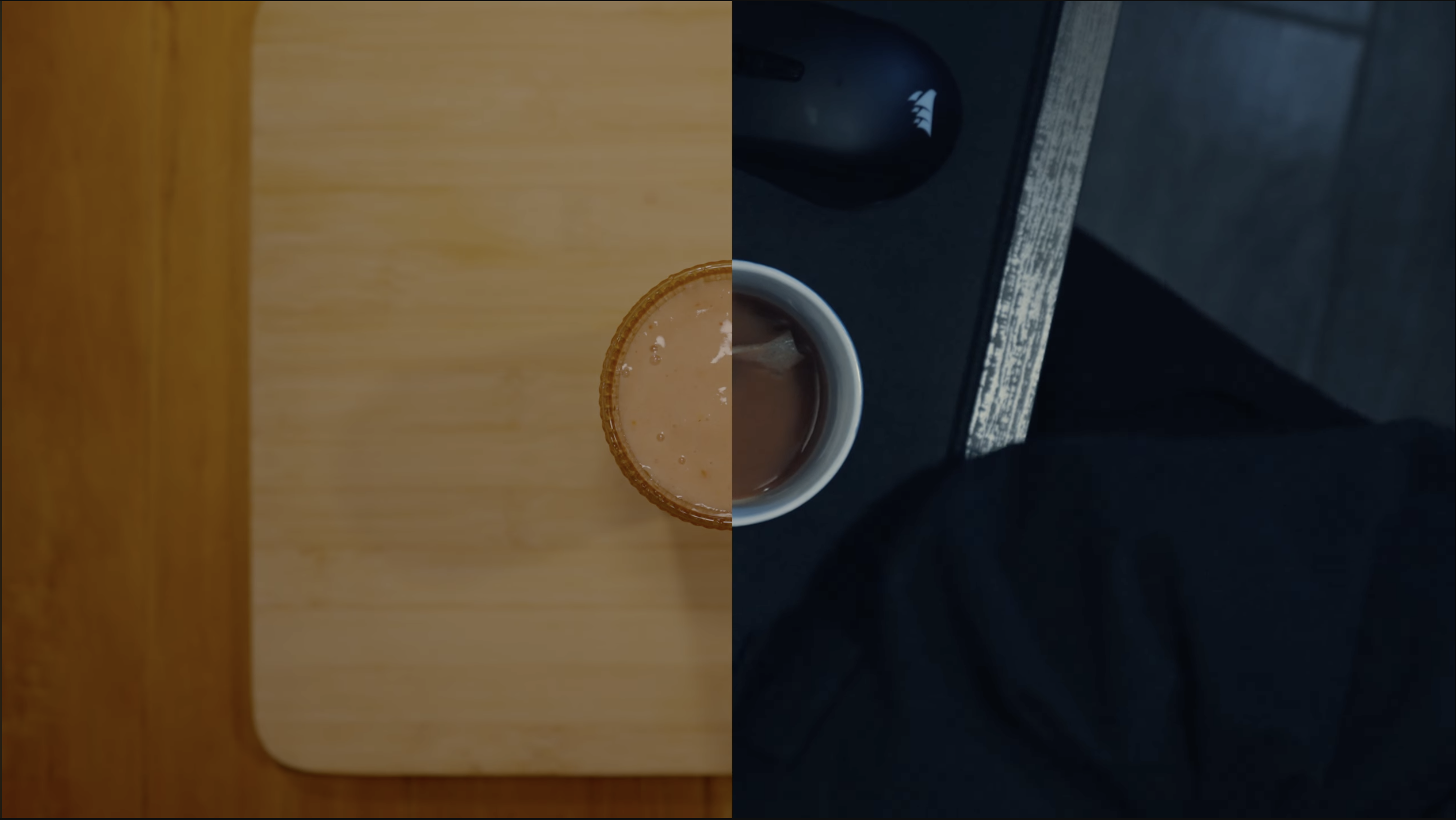
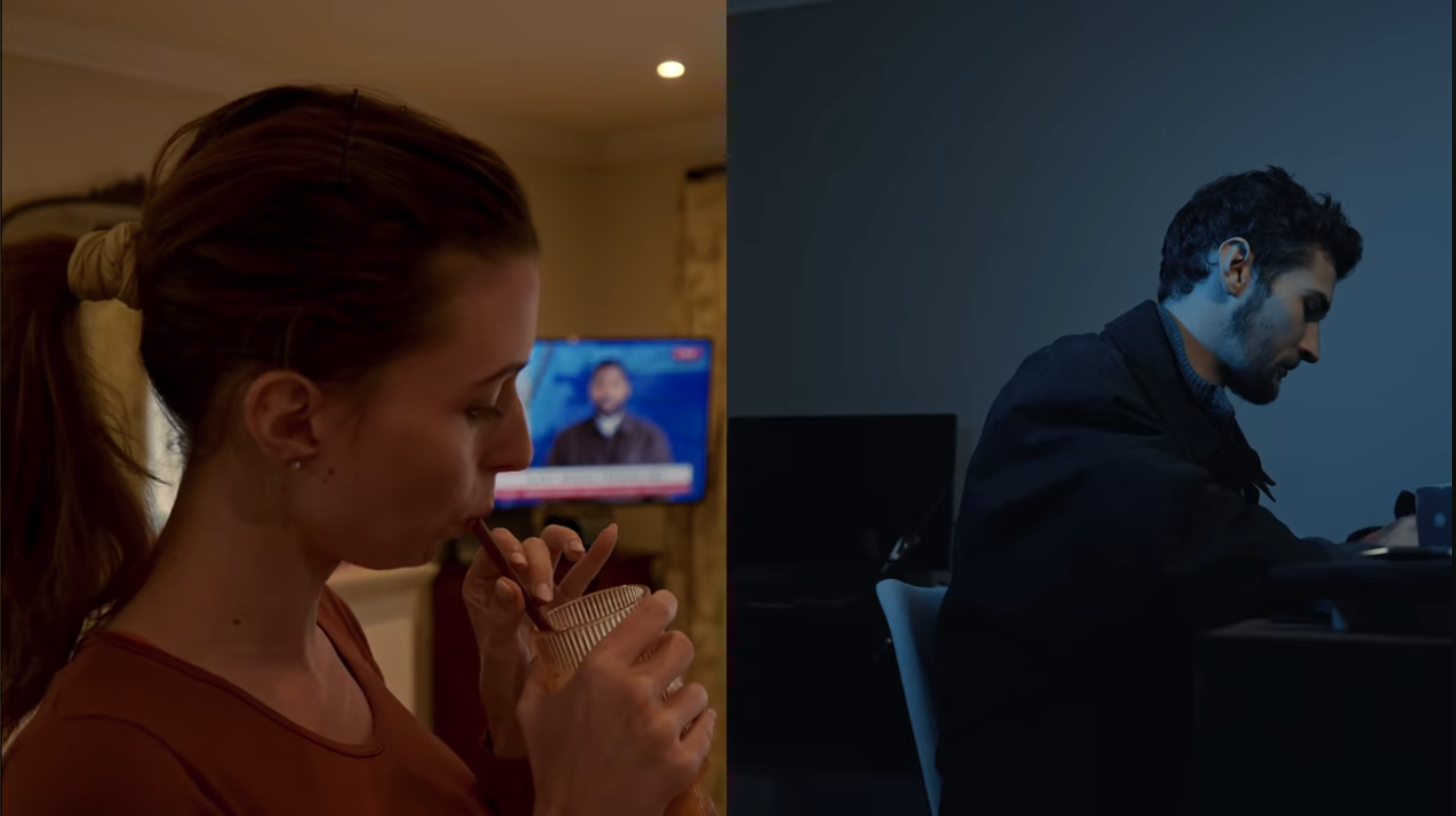
Scene 2 is the first scene after the title sequence. Visually, this moment leans into mirrored mundanity and quiet tension, ordinary morning rituals presented with an eerie, almost clinical precision.

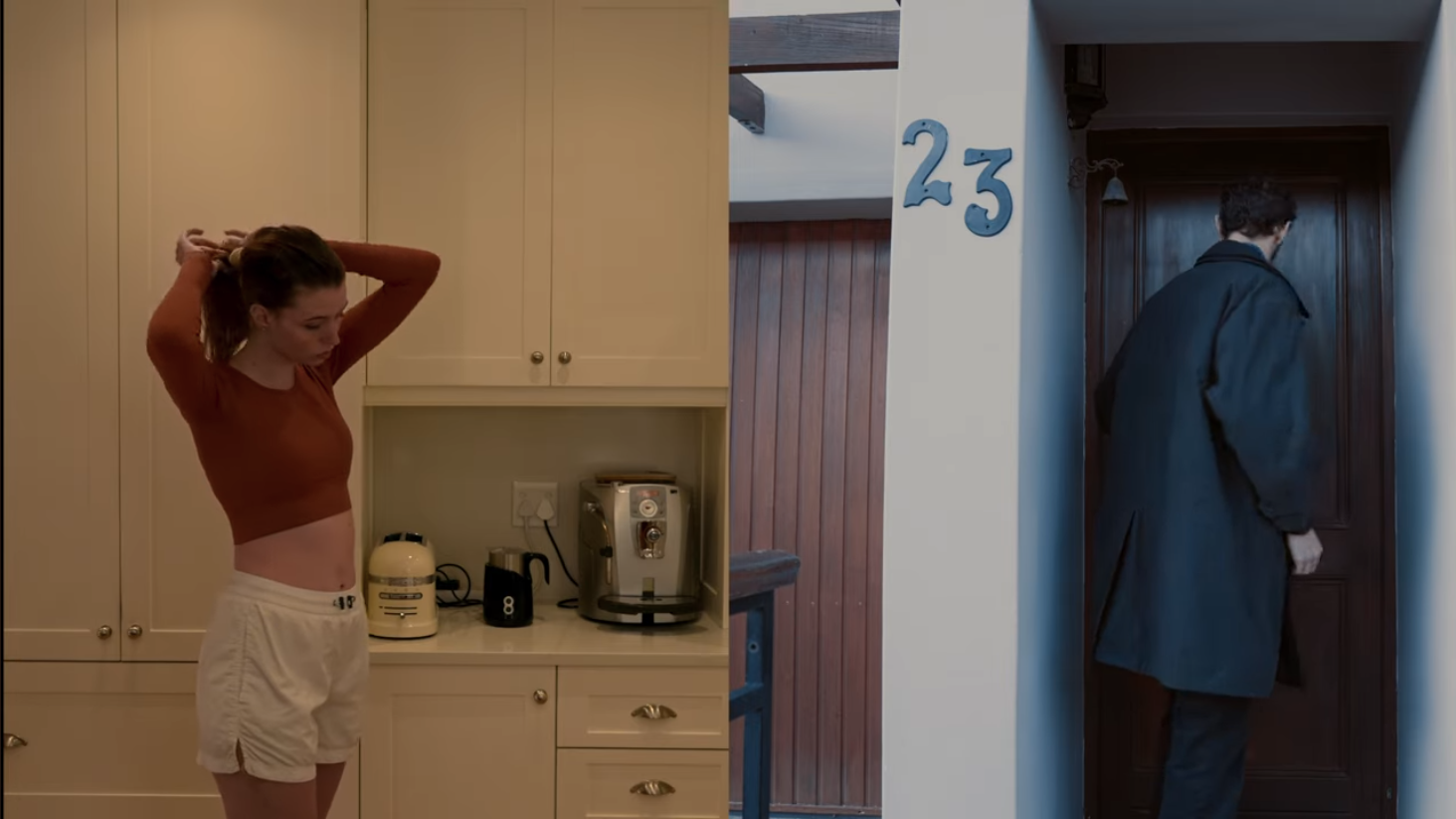
This scene had many moments where there was a lot of effort put into making the two sides mimic each other in certain ways. For example: both of their arms going down at the same time, the sound of each person’s tap matching, drinking at the same time etc. There are also many moments of visual and auditory symmetry that were carefully timed.

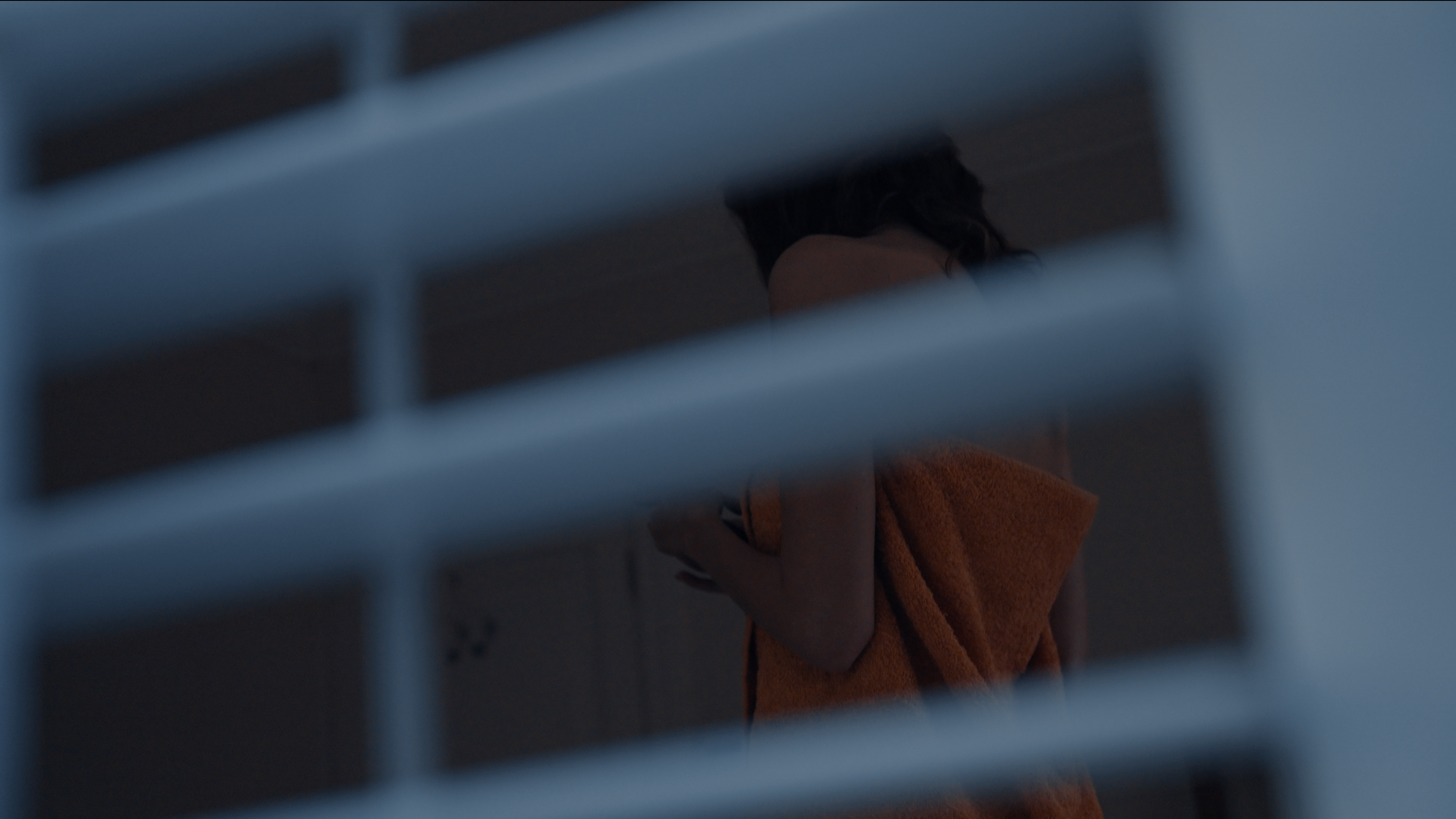
The pacing in this sequence is intentionally slightly slower, so the tension could build, the audience starts subconsciously counting the “echoes” between the two sides as their movements sync up. There is also a scare-adjacent moment where Mira is just going about her morning routine, and suddenly the loud sound of her blender goes off. In contrast to Dan’s side, where he is stuck working intensely, with only his keyboard and mouse clicking, this sudden spike in sound breaks the rhythm and is meant to make the viewer feel a little more unnerved.

A personal favourite moment in this scene is when both sides reach for a cup, and the cup is perfectly symmetrical across both frames of the split.

The end of Scene 2 has a moment where Mira walks off screen, and it visually feels like Dan “replaces” her when he walks into frame on his side, playing into the metaphor of the split, and how their worlds are separate but visually connected.
Scene 4

This scene is a fun one in terms of the moving split. The split being non-stagnant was a feature I really wanted to be brought into the film, and Scene 4 does just that, with the split rotating 180°. Specifically on Dan’s side, he literally has to crawl to keep himself inside the split frame.

This rotating split added extra tension and almost makes the viewer anxious that he is going to be caught. The point is that the viewer must try to focus on both sides at once, what Mira is saying, hoping Dan isn’t caught, while also processing the split turning. It’s meant to feel like a lot going on, because it is a tense moment.

There is also a moment where we see what Dan sees, and it is what is happening on Mira’s side, once again reinforcing the symmetry, and showing they are in one world, just divided visually.

Scene 4 Thumbnail
Scene 5 Thumbnail

Scene 5

Scene 5 leads directly from Scene 4, and this is the first time non-eerie music is used. Instead of tension and ambient unease, this moment switches into a fun, dance-like track. The tone shifts, and it immediately feels lighter. There is also a visual transition with Mira flipping her hair, which signals that change in energy.

There is a shot in this scene where Mira is walking directly towards camera, and you really get to see her more clearly, and almost get a bit more of her personality through her movement.

There are also shots where their mouths are symmetrical, even though Dan is taking pills and Mira is putting on lipstick. It still lines up visually, so that their actions feel like two versions of the same beat.

Scene 5 has the most moments where the two seem to almost interact across the split. There is a moment where it looks like Mira “passes” something to Dan, as if the object crosses through the split space.

Another favourite visual beat is when they appear to stand back-to-back on either side of the split, both spraying perfume / cologne. It is the closest moment of connection, two people completely separate, yet framed as if they are in the same room.

COLOUR GRADING FOR DAN'S SIDE

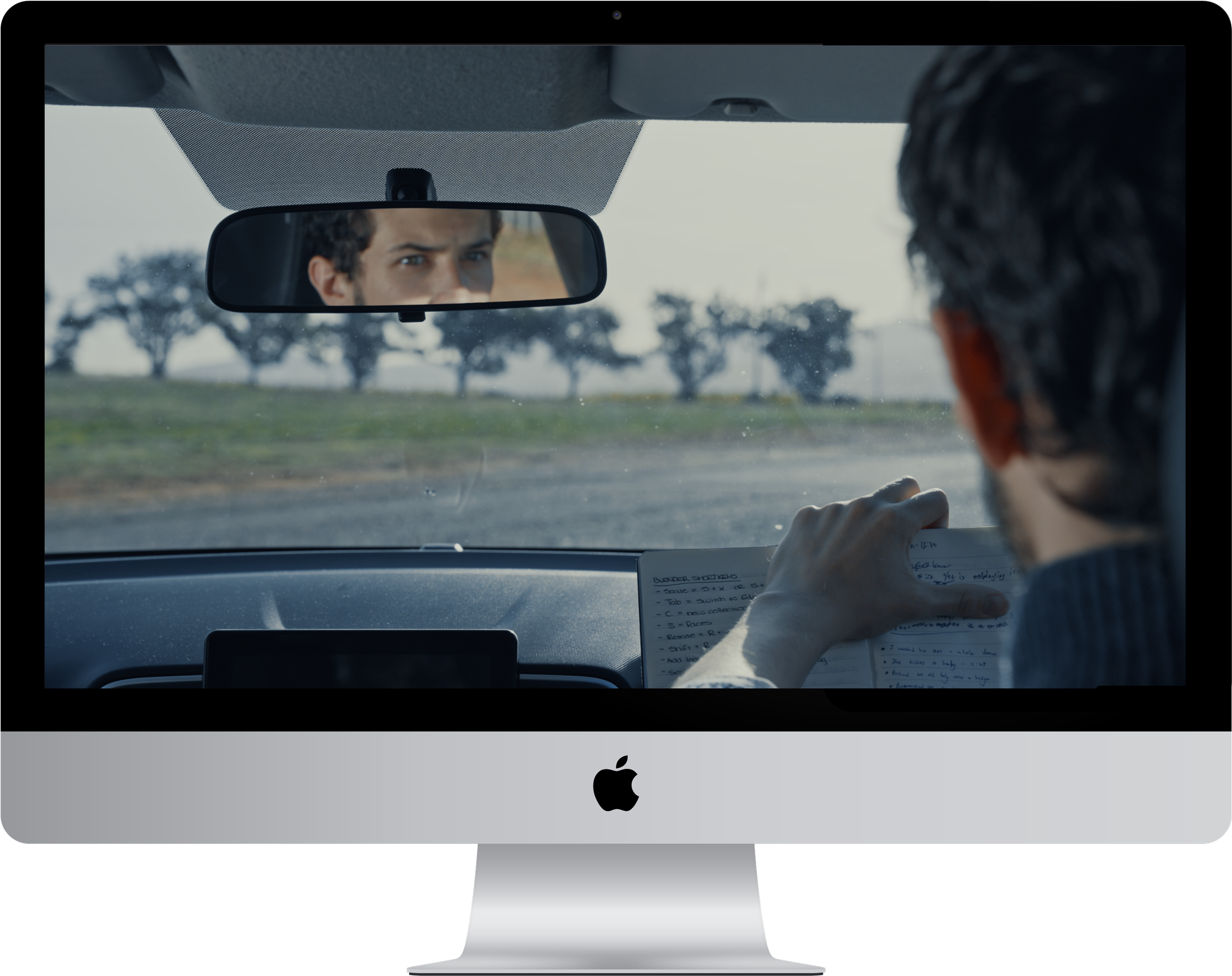
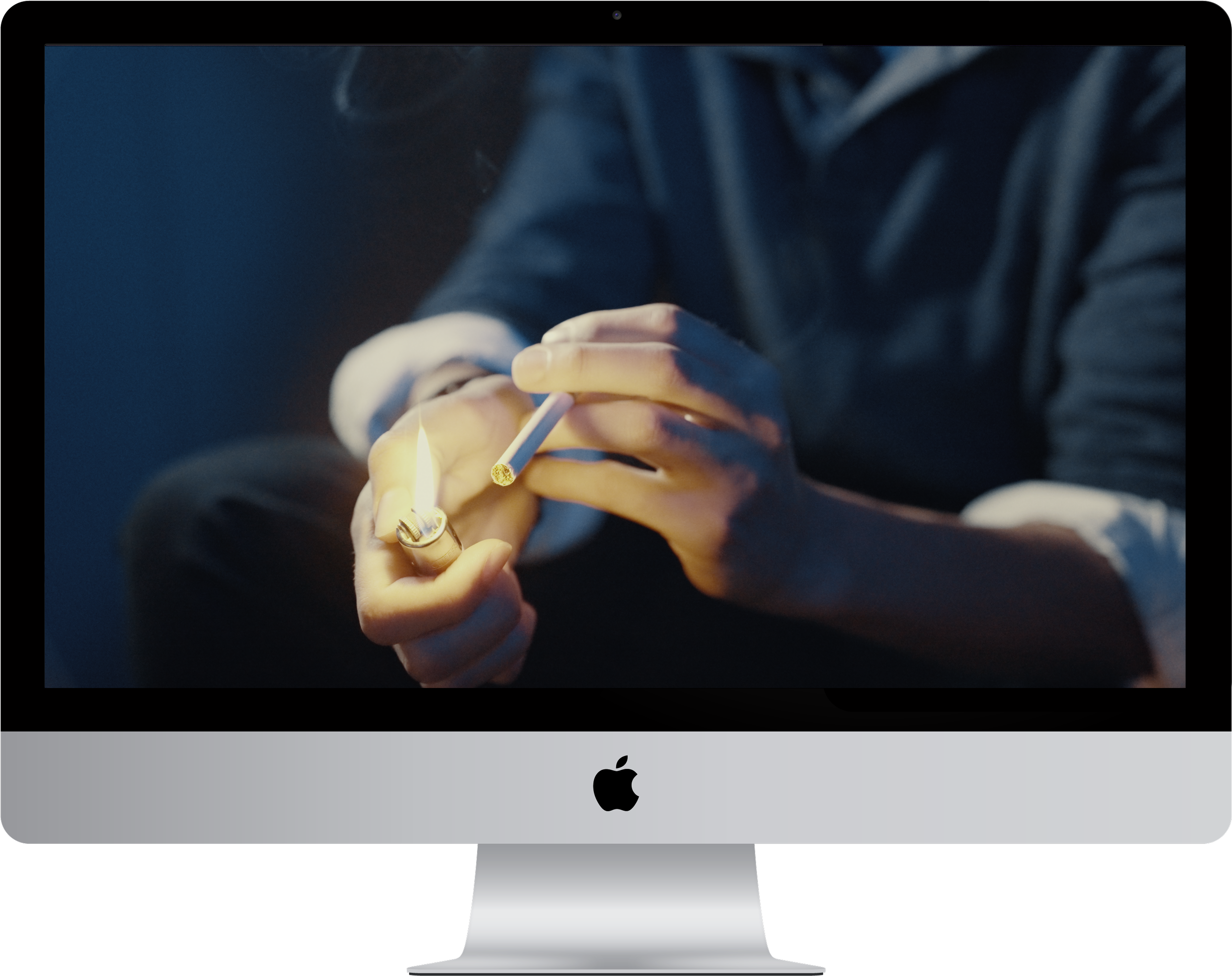
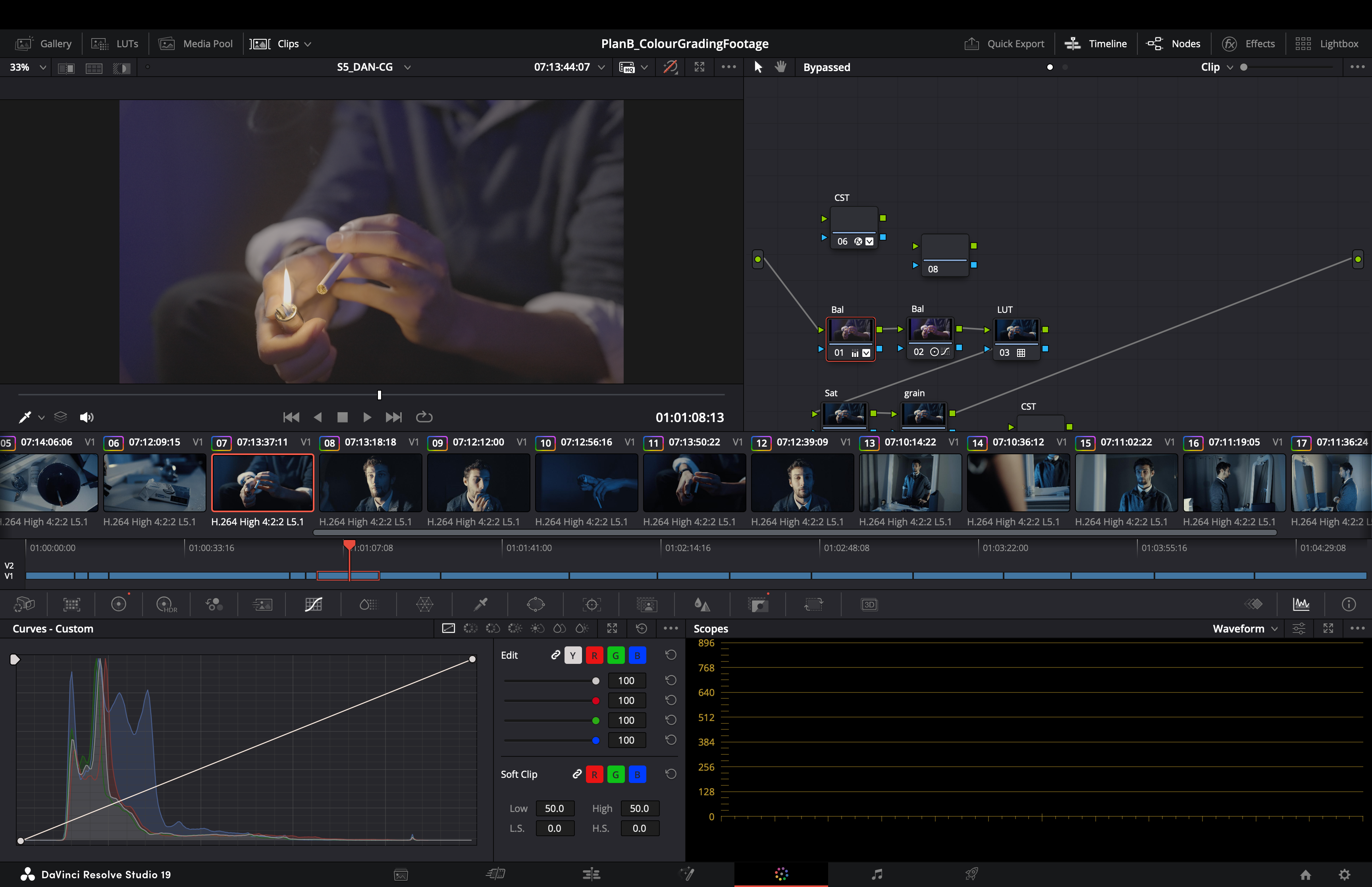
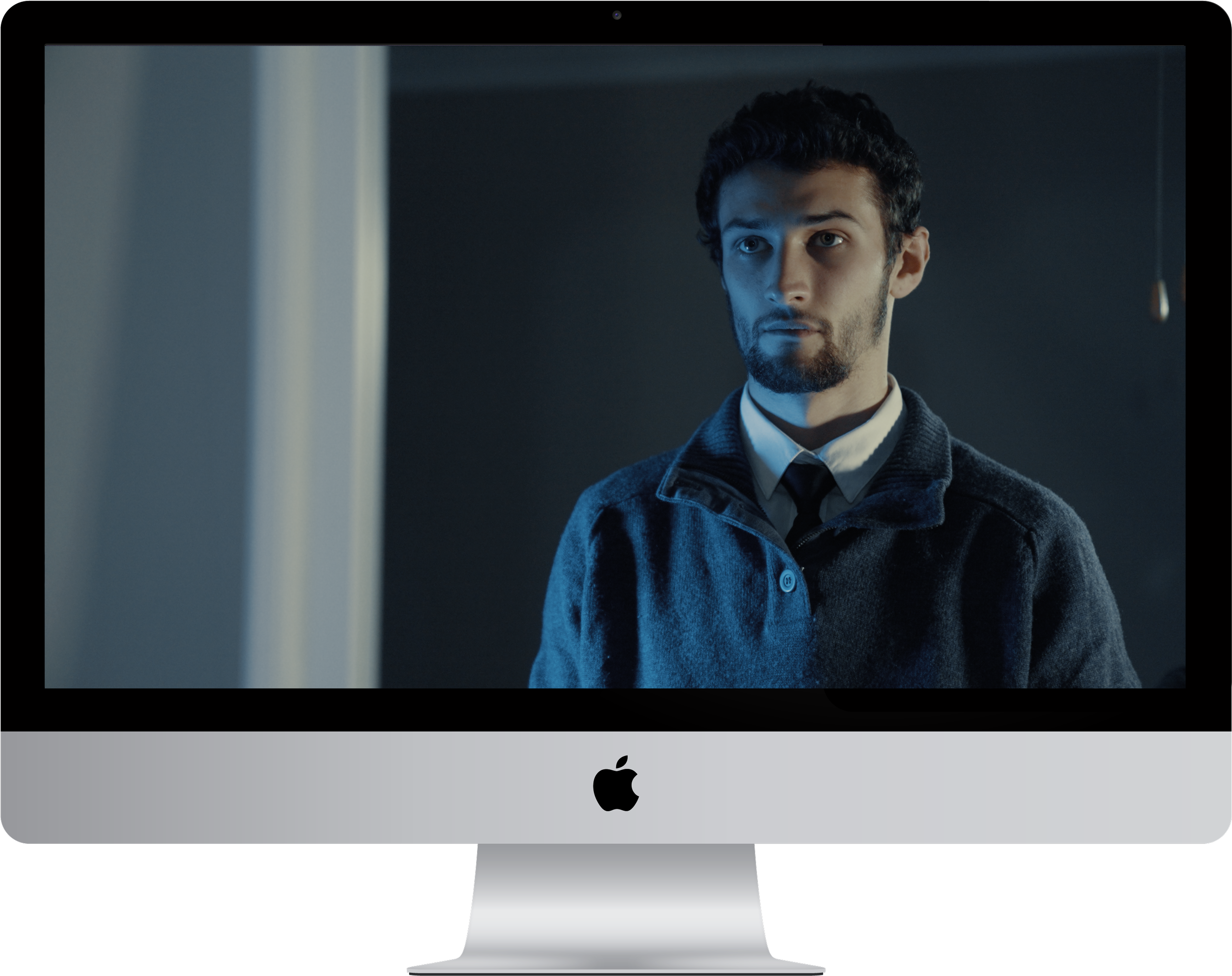
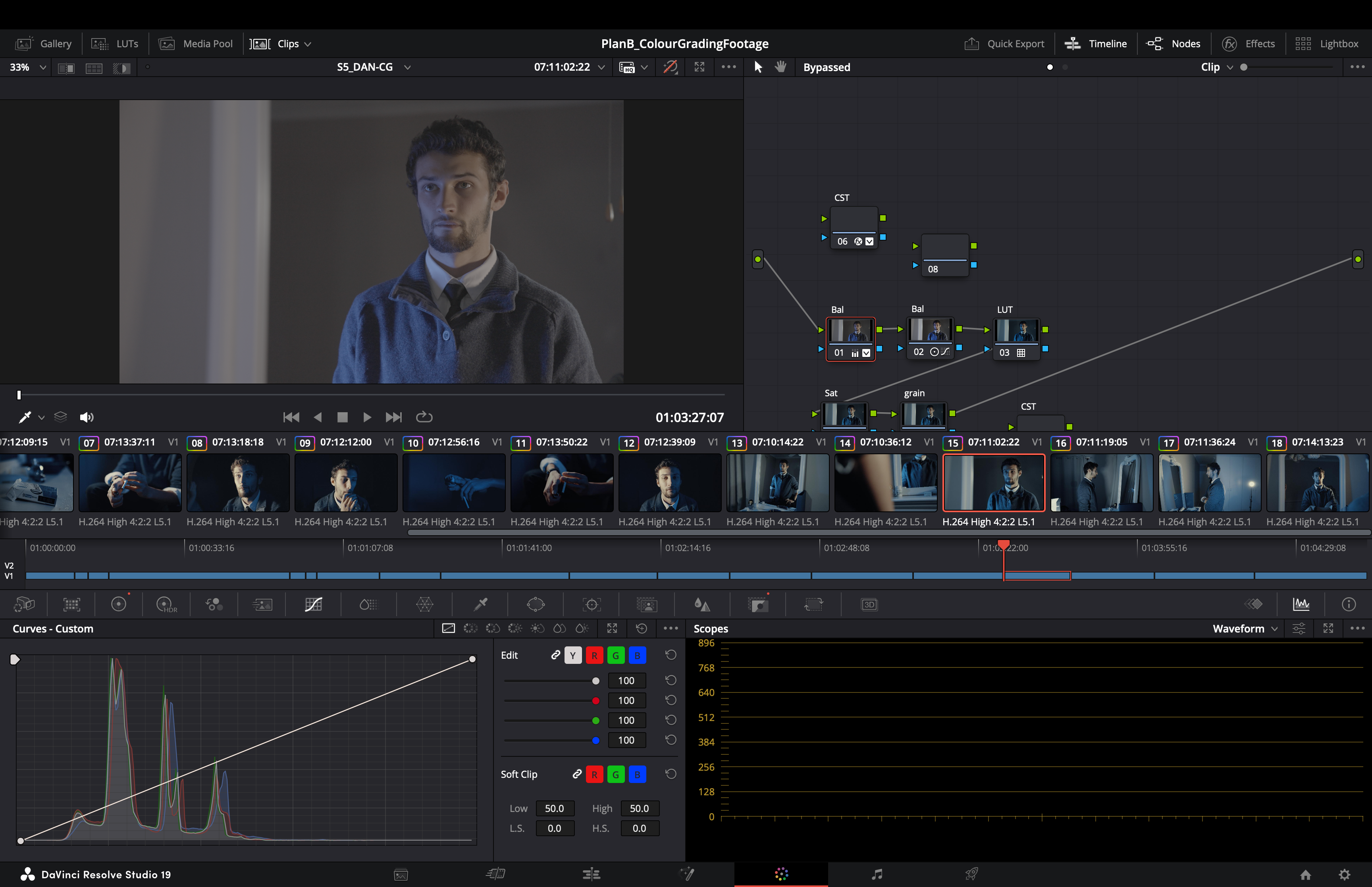
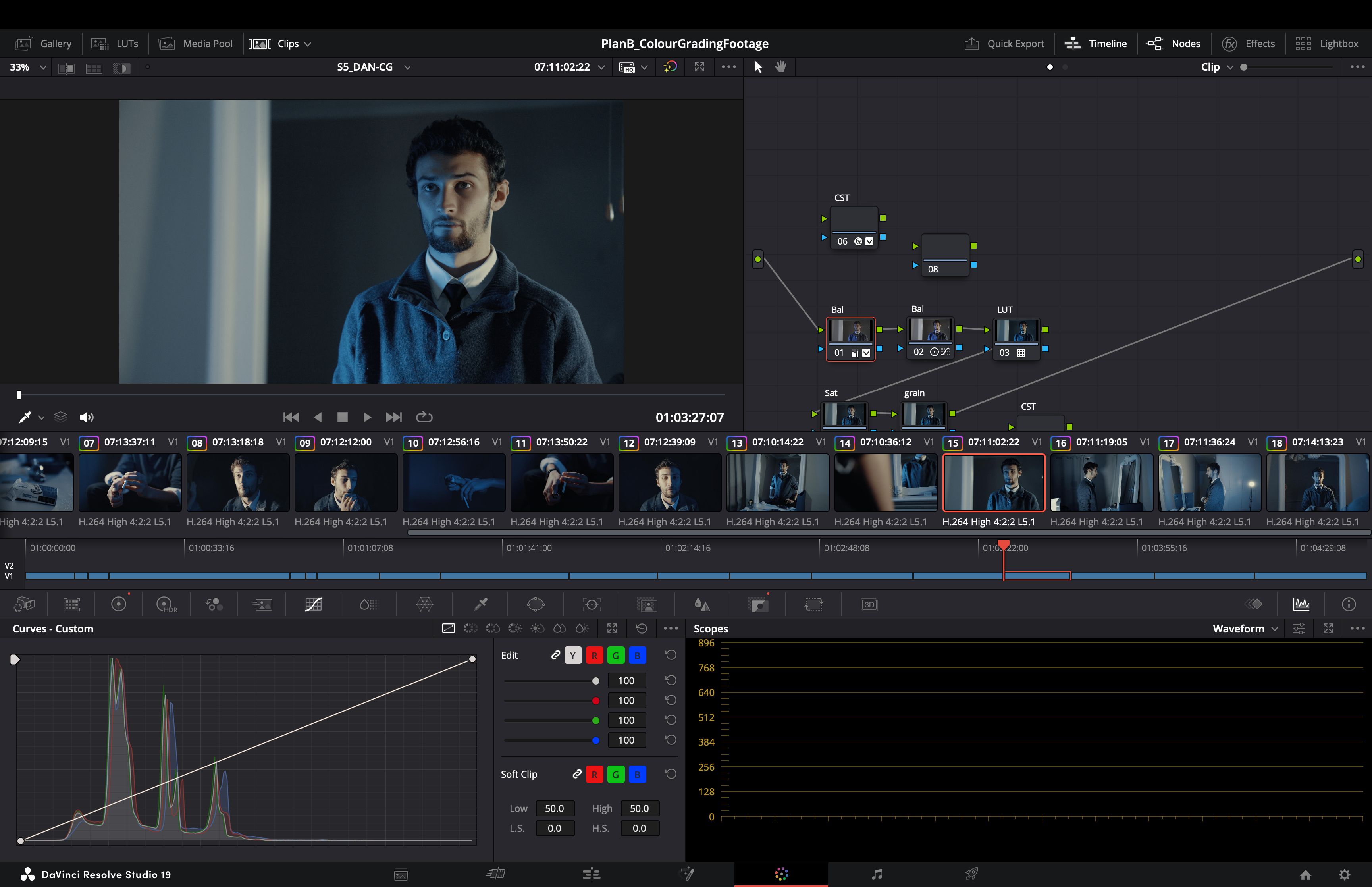
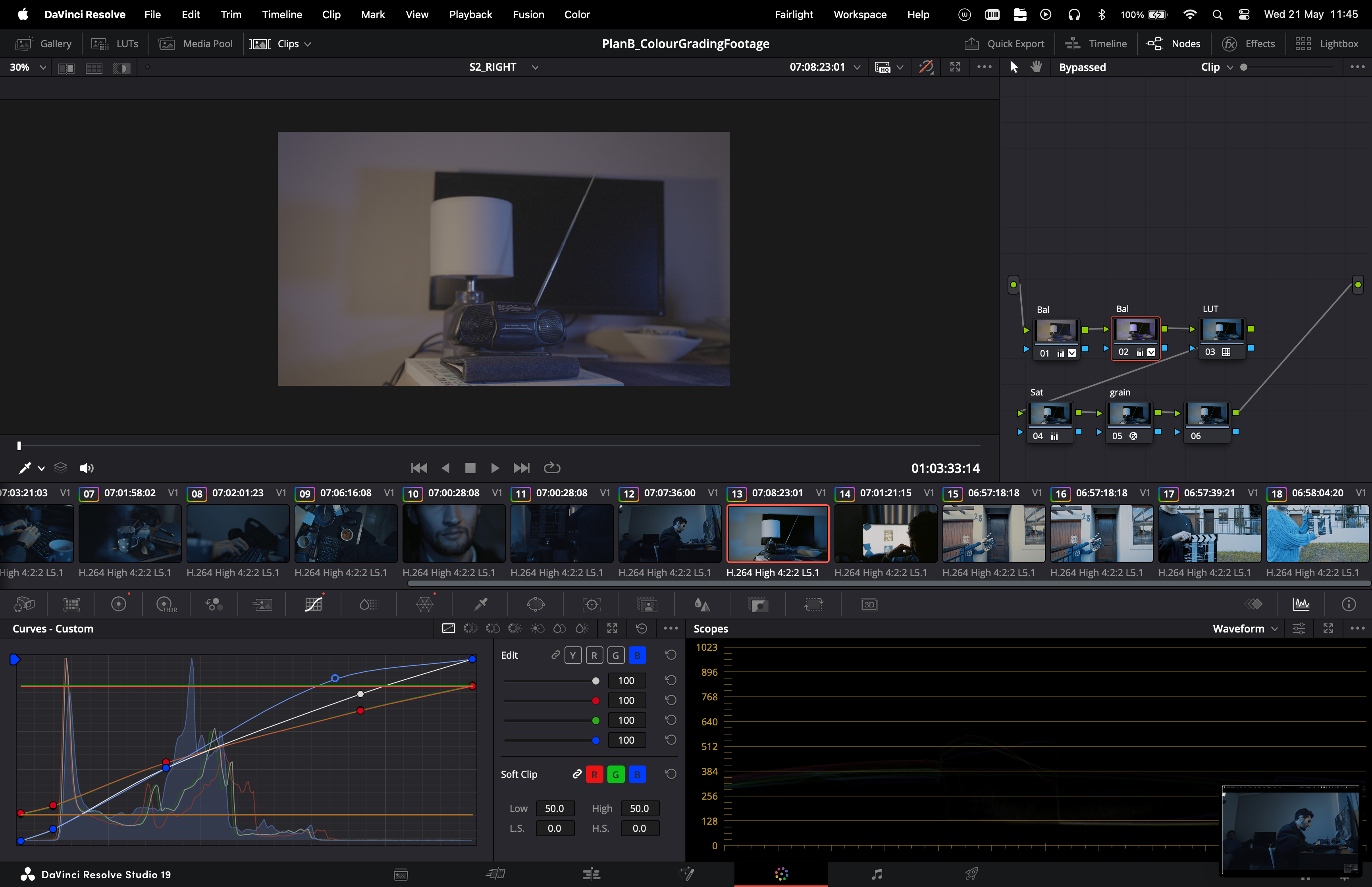
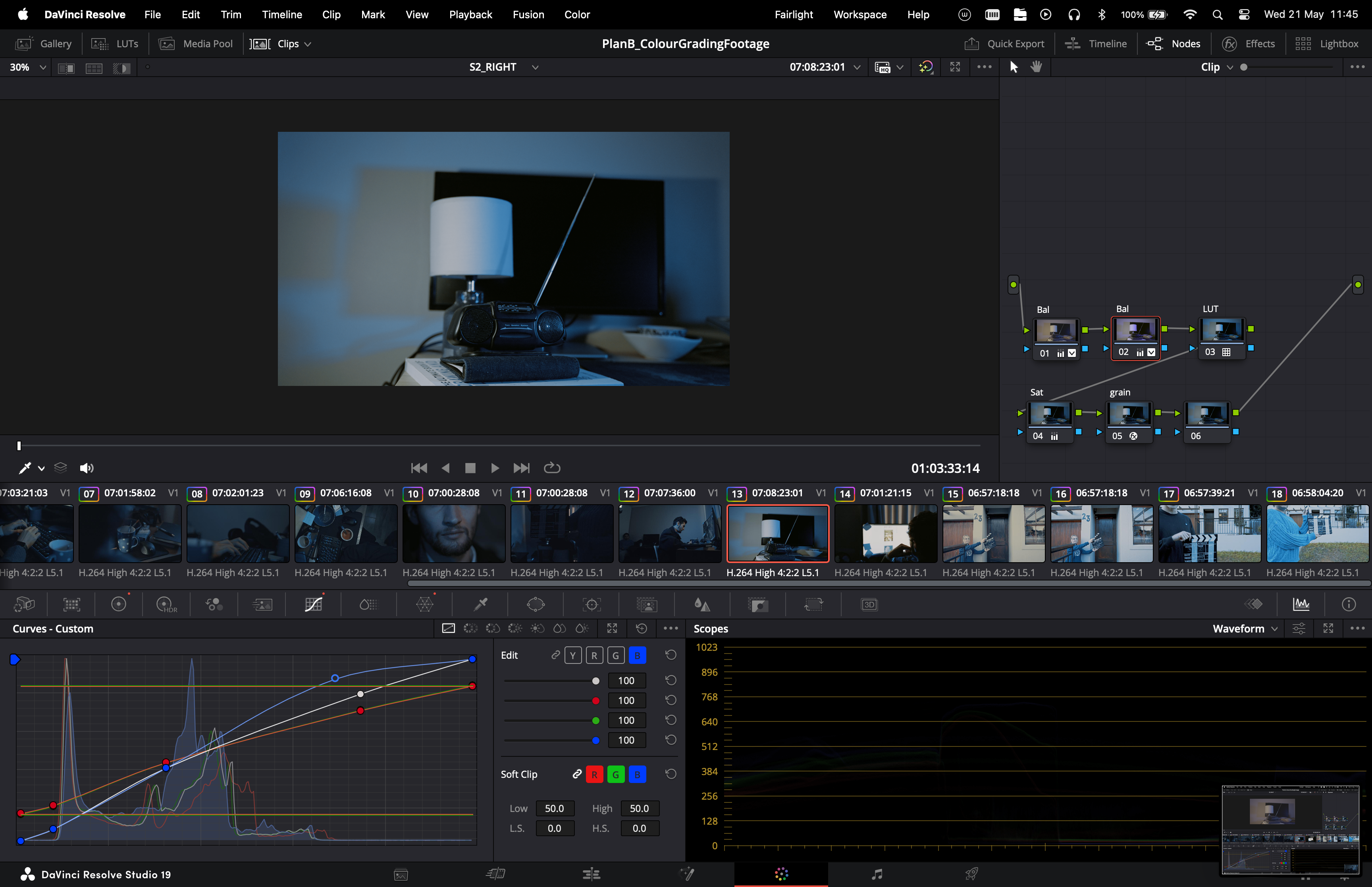
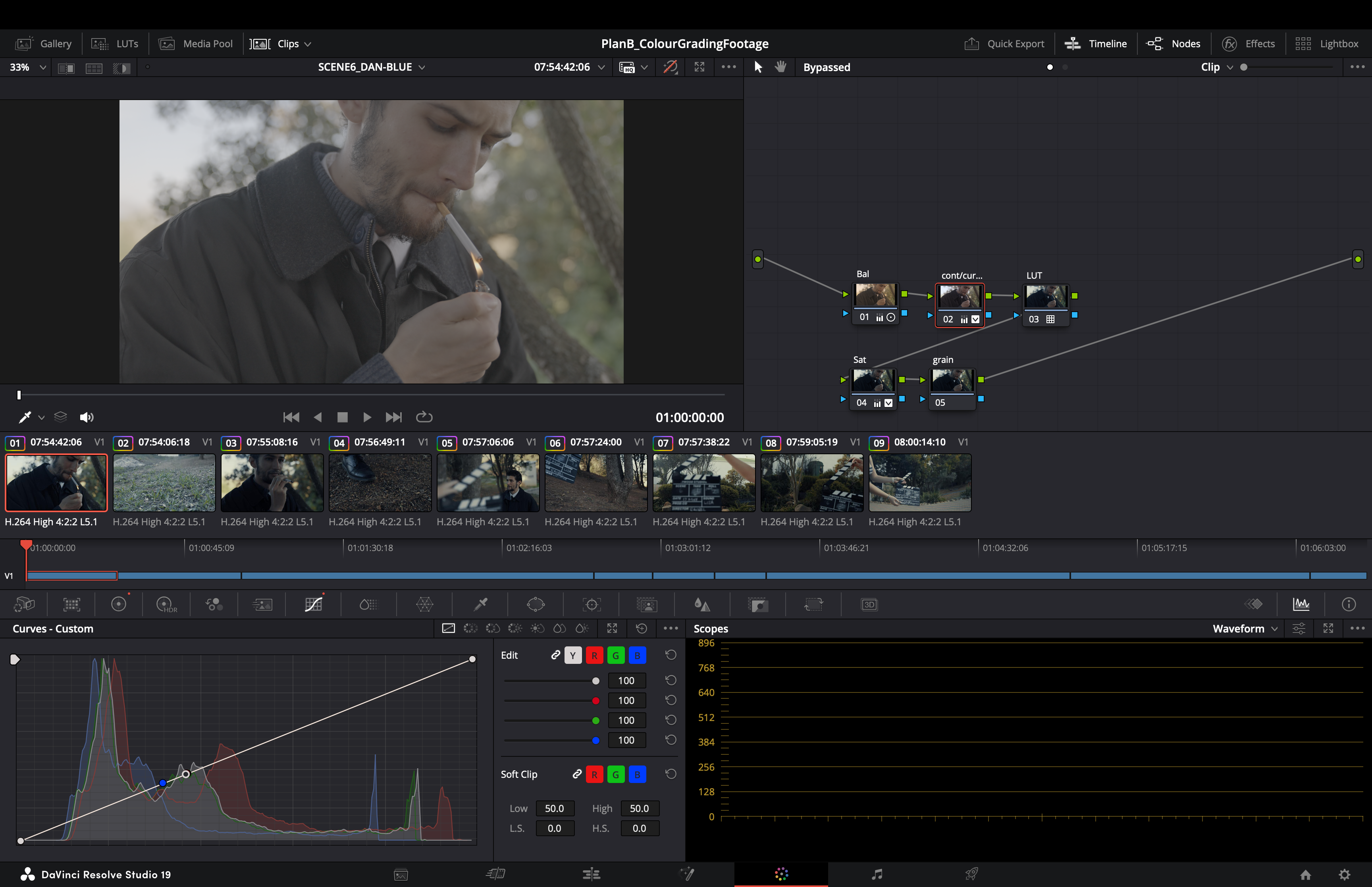
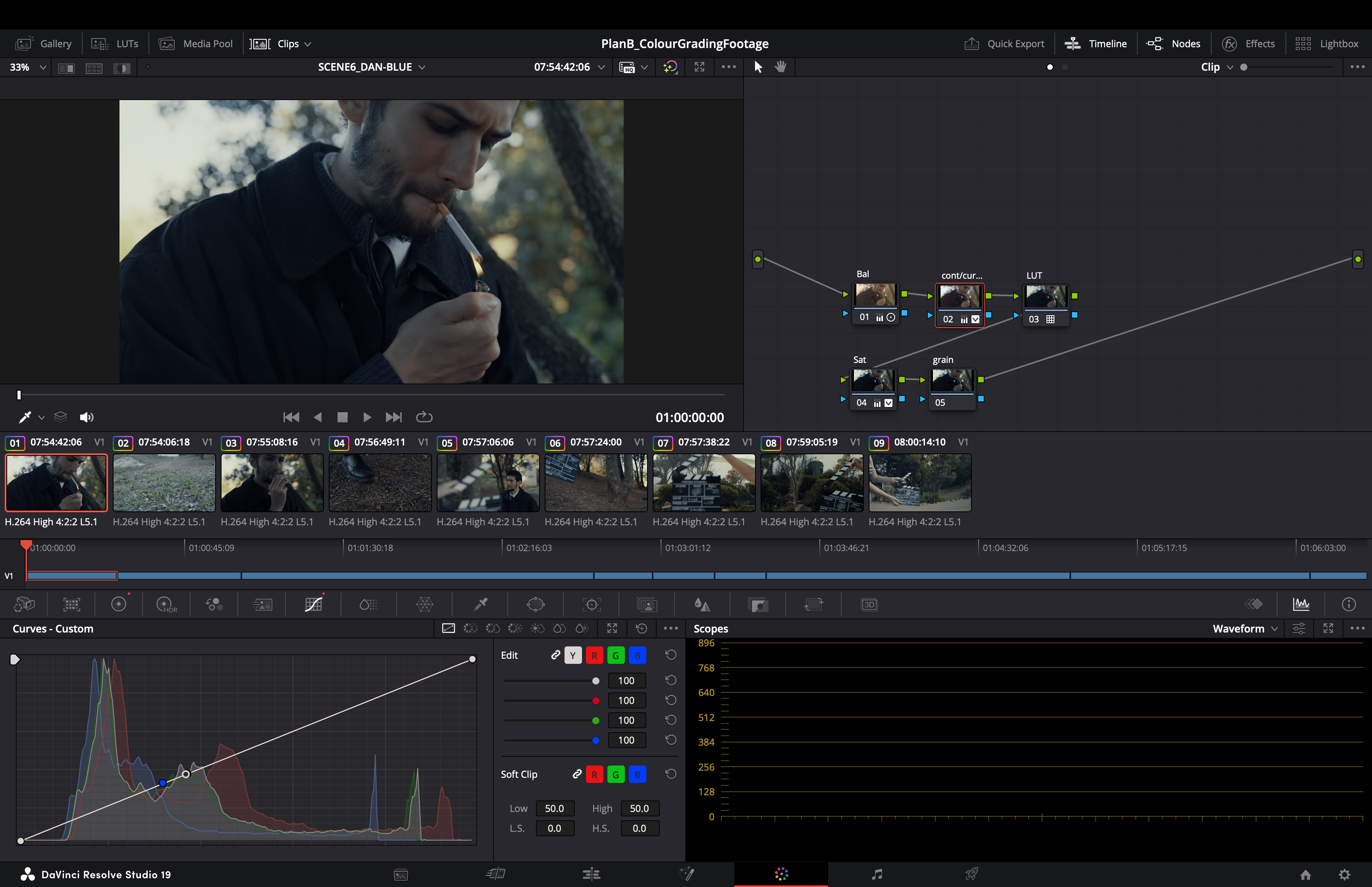
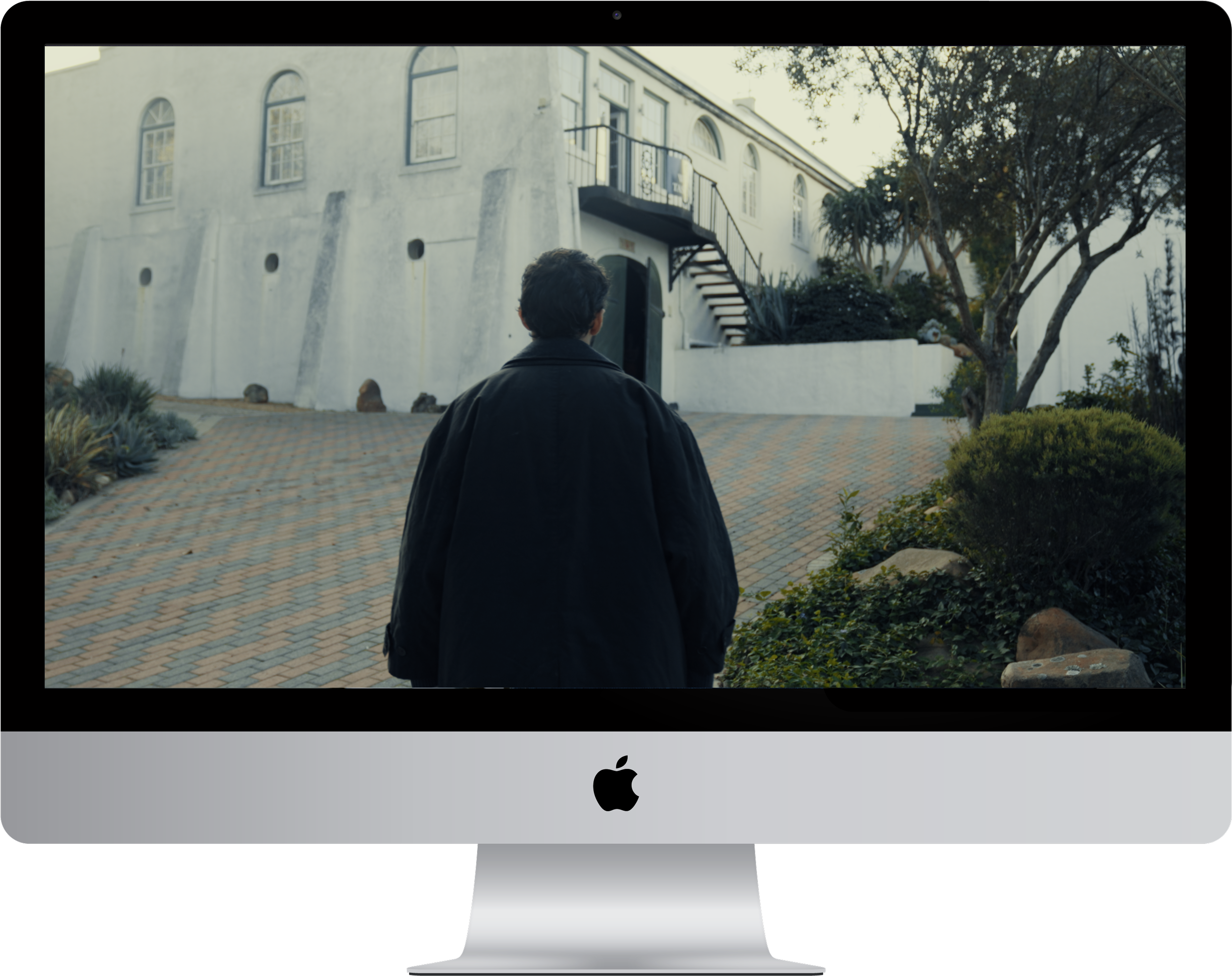
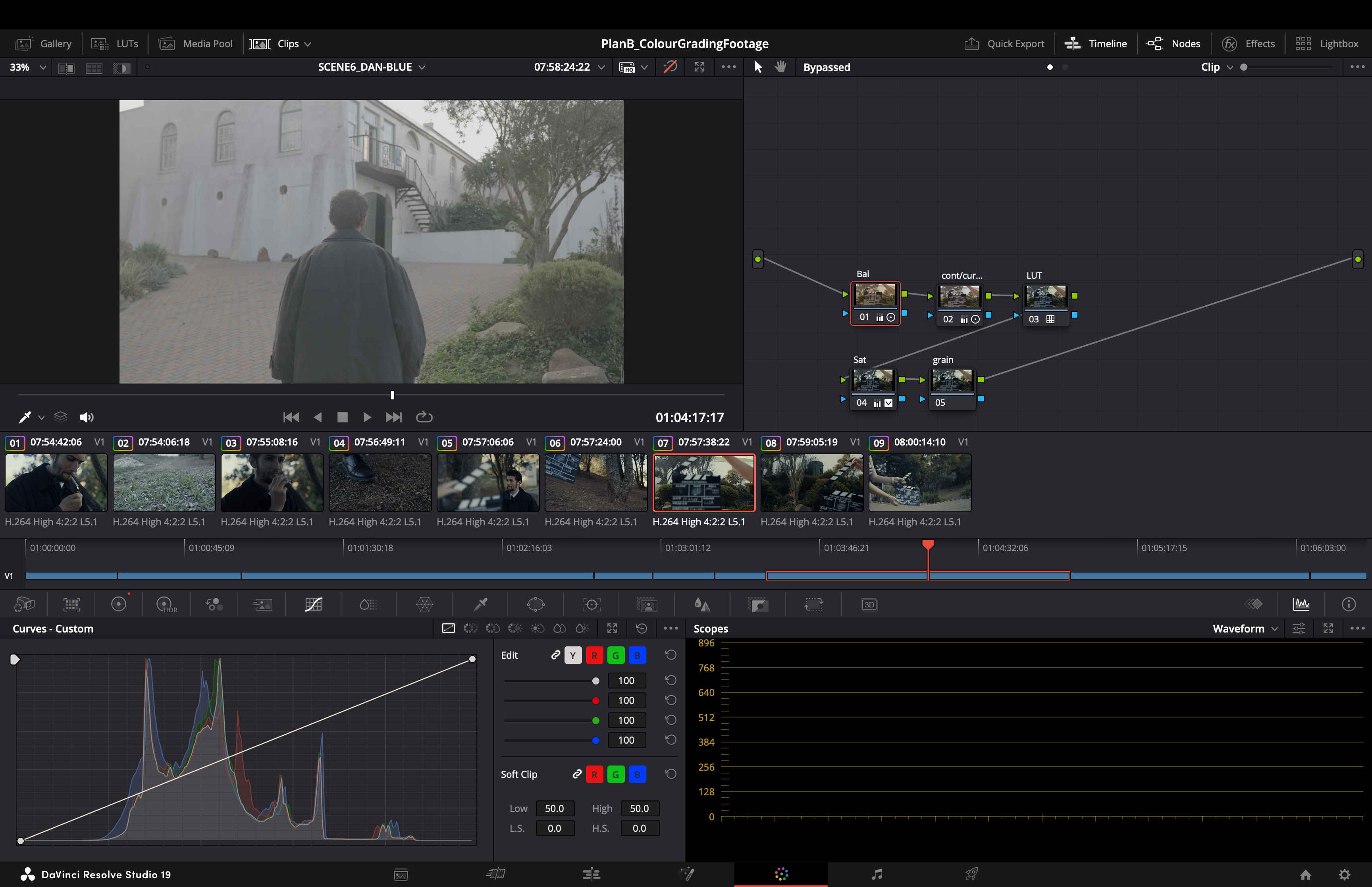
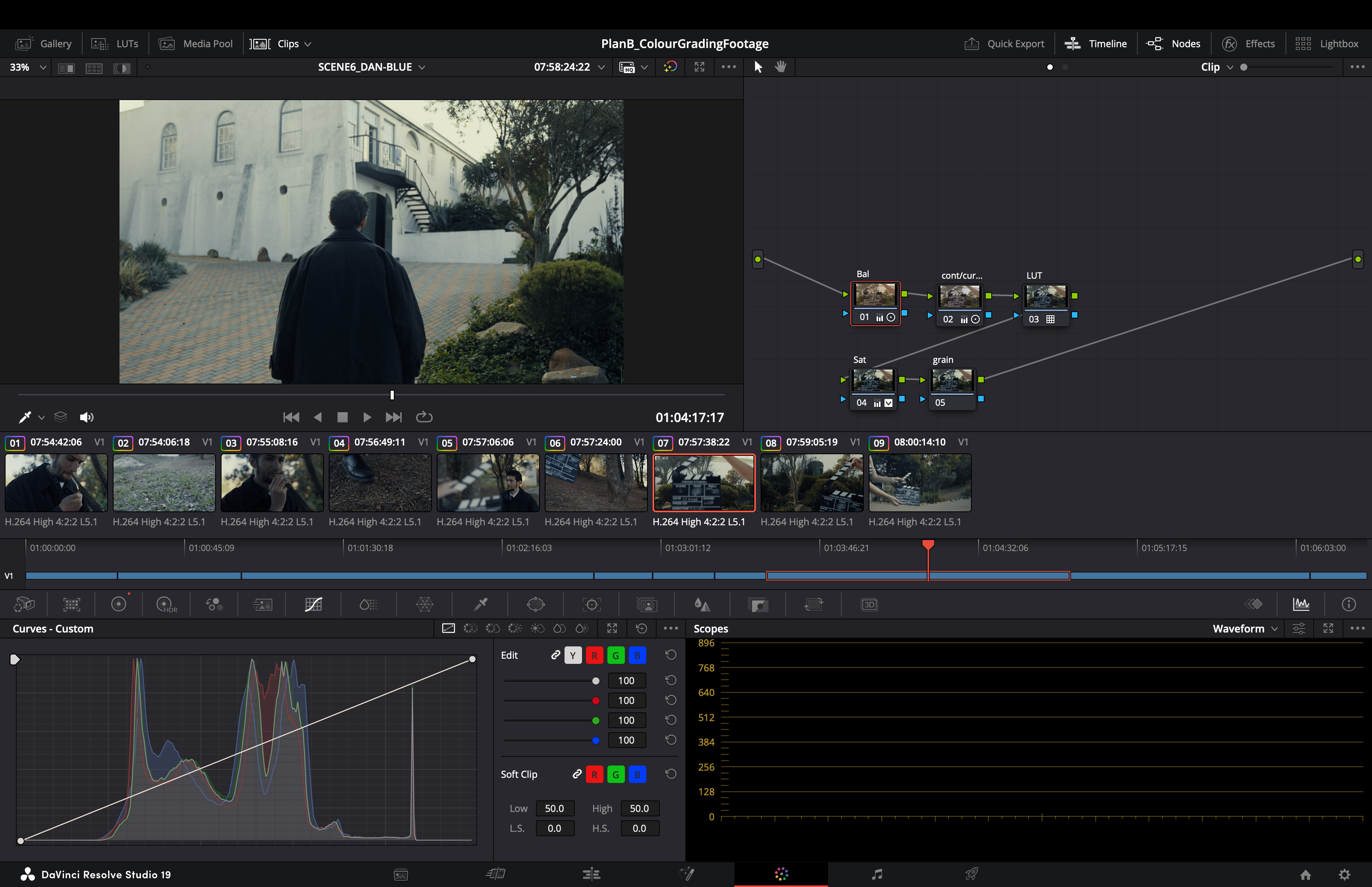
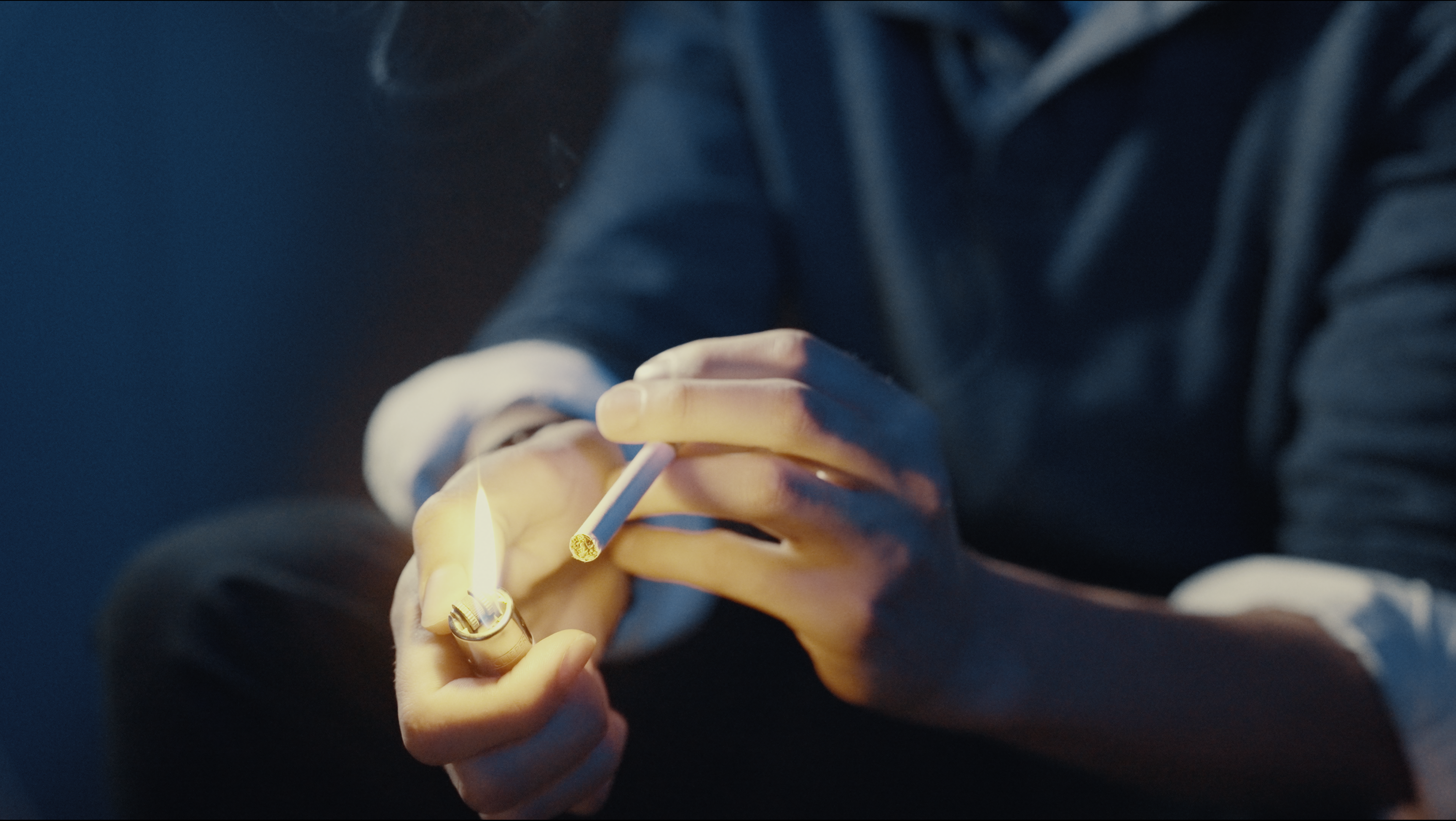
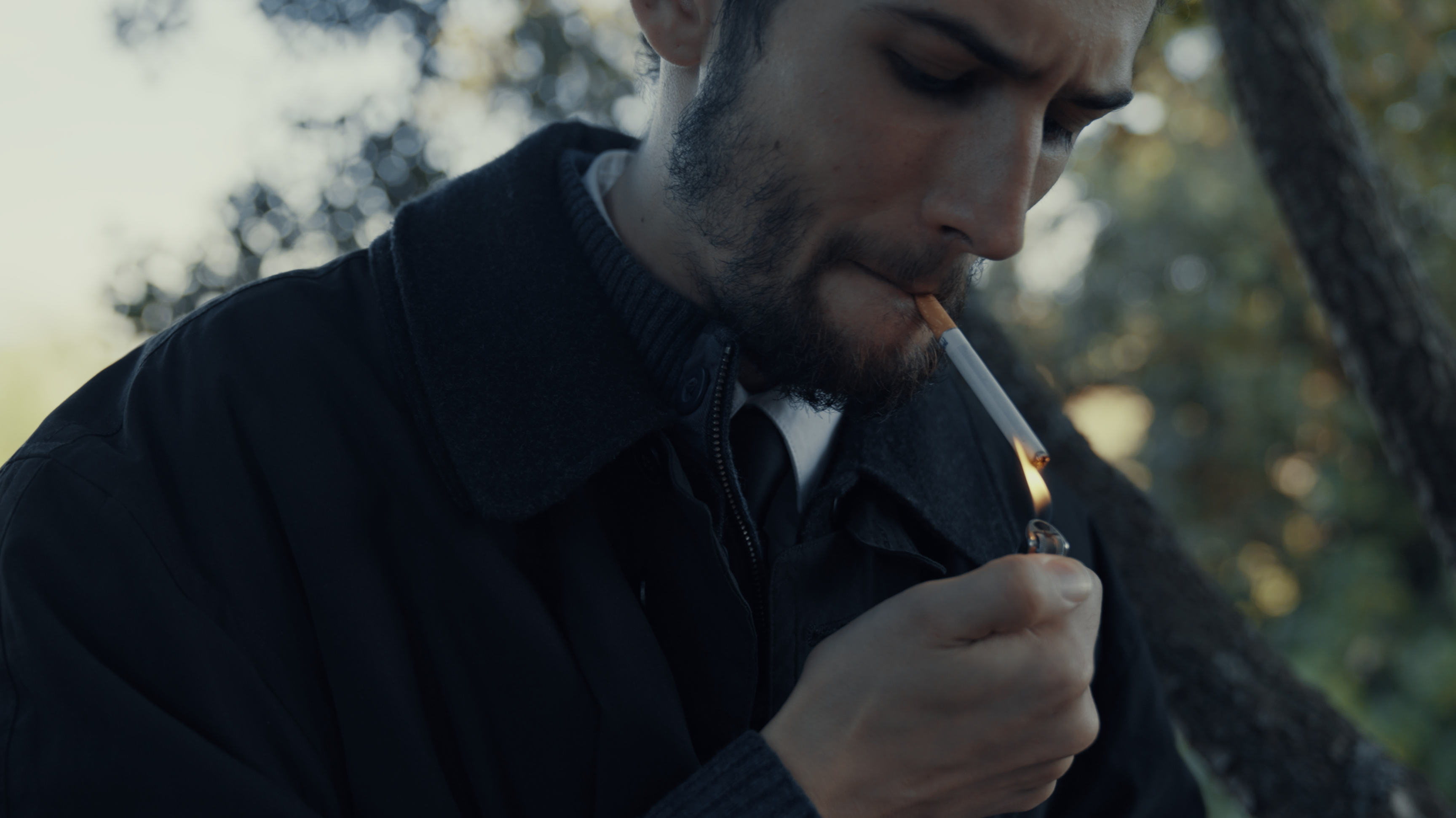
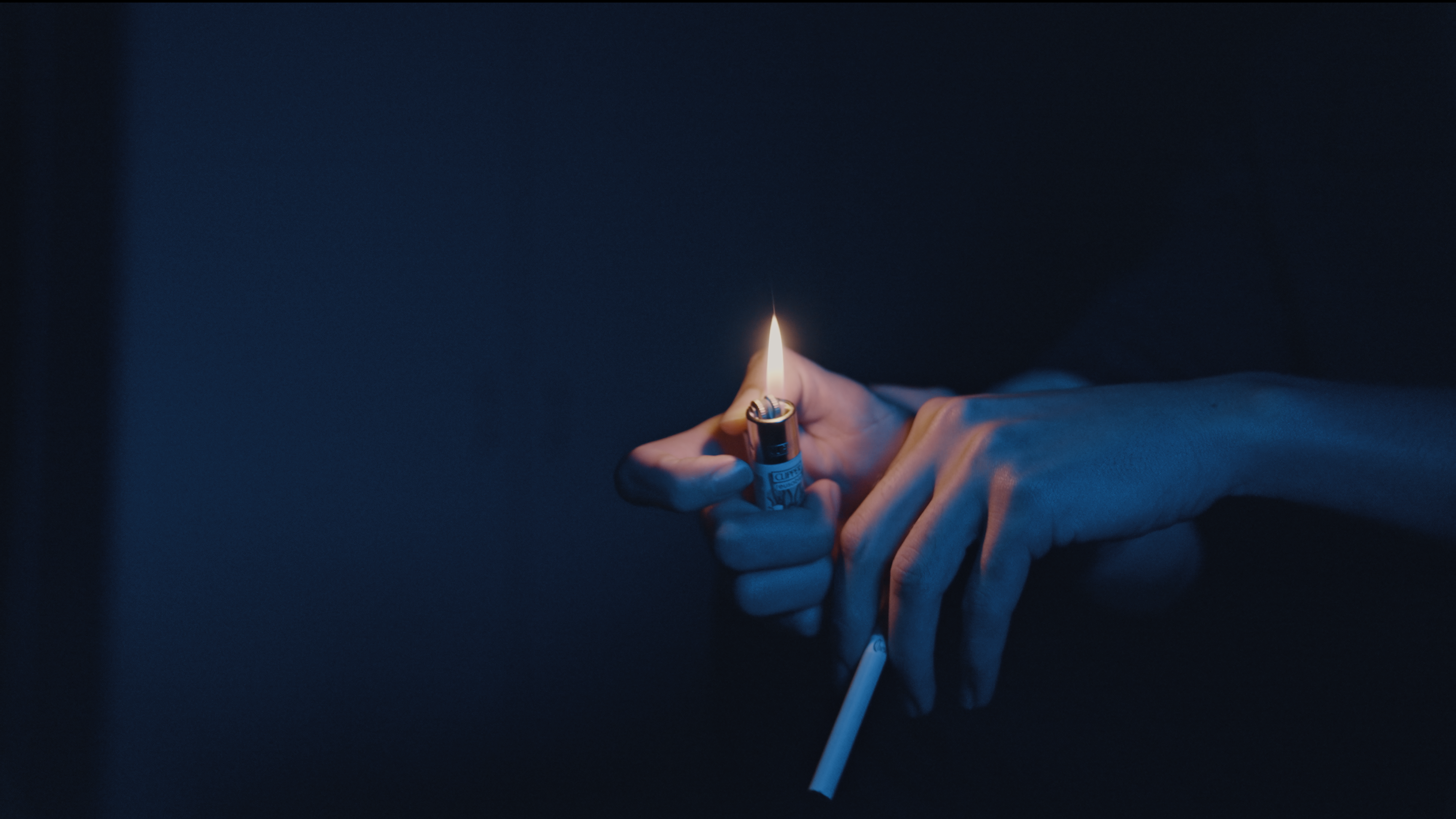
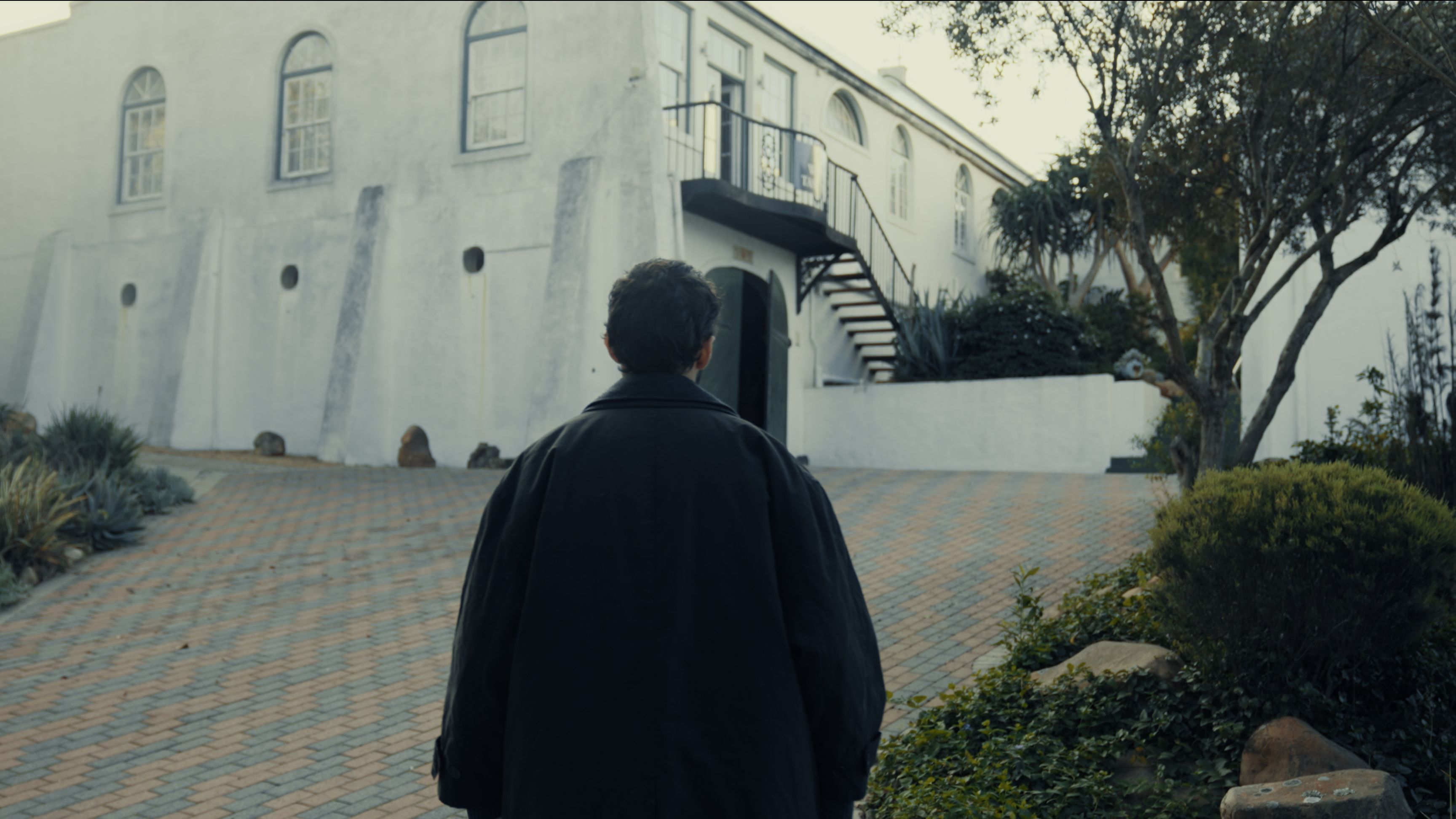
The colour grading for Dan's storyline, used a custom LUT built in DaVinci Resolve. Cool desaturated blues defined his emotional detachment. This separated his emotional reality visually from Mira's warmer side which amplified the feeling that they live in two different internal worlds even before the narrative connects them. One of the biggest challenges when colour grading Dan's footage was to transform overexposed warm daylight footage into cold desaturated blue tones. Using custom curves to crush the highlights and pull the shadows into blue territory while maintaining skin tone separation.

Final Graded Shot 1
Before Shot 1
After Shot 1

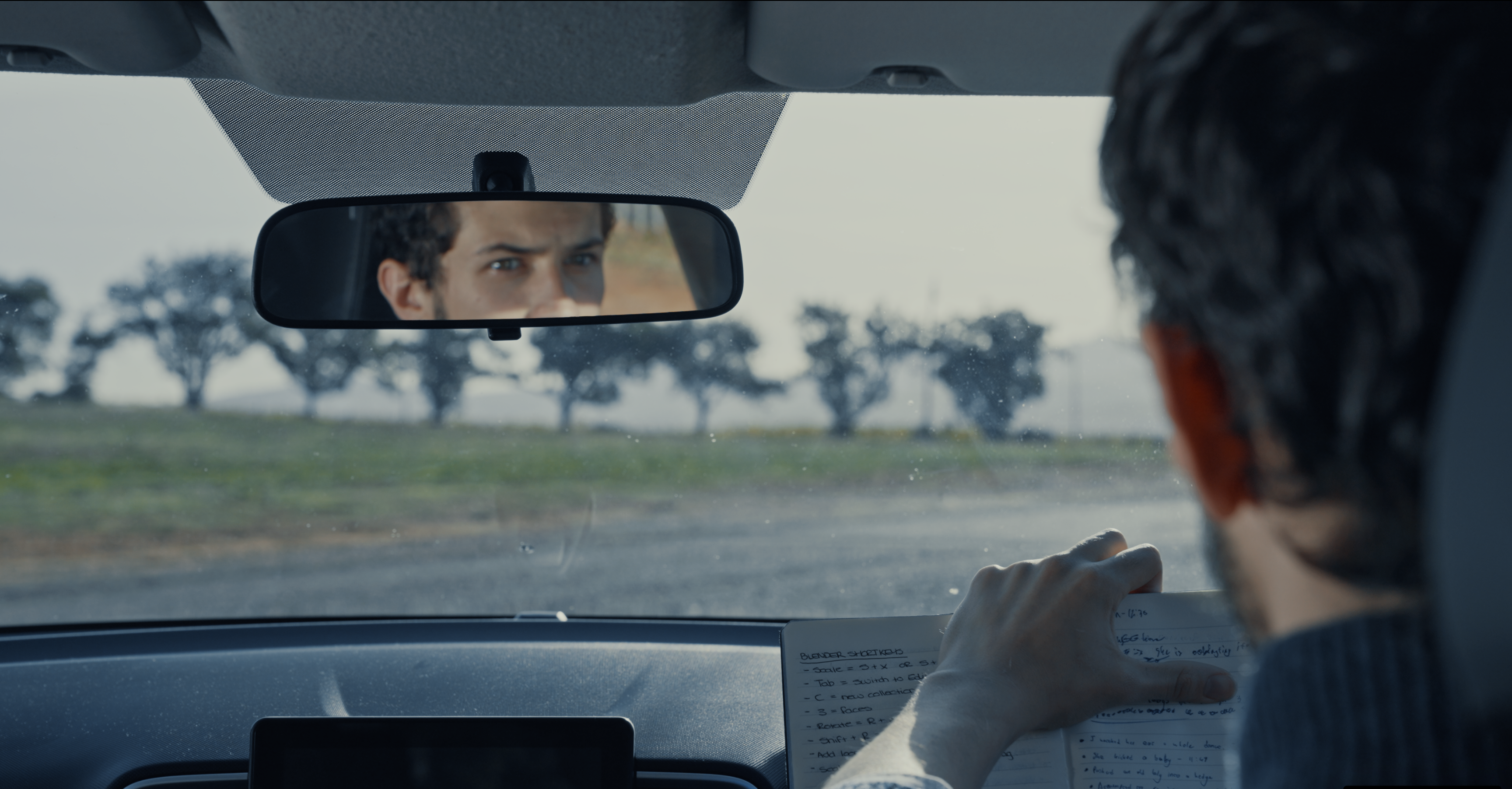
For this shot the focus was on maintaining detail outside the window while still keeping the interior cabin slightly moodier. The goal was to make the viewer feel Dan’s tension, eyes watching the world, but the world not quite welcoming him.

Final Graded Shot 2
Before Shot 2
After Shot 2

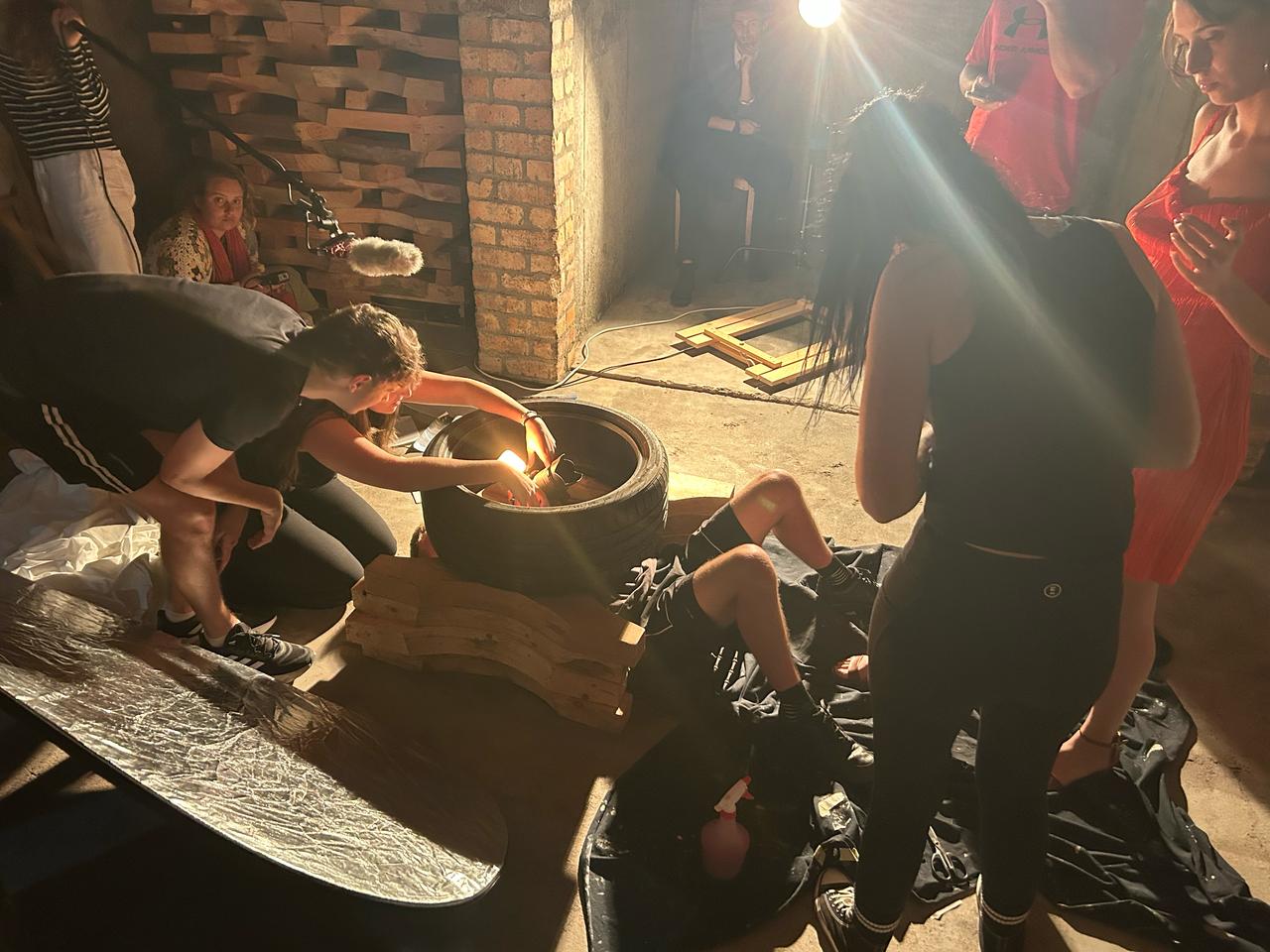
This shot needed very careful highlight control because the flame would easily clip. Balancing the warmth of the flame while keeping the rest of the frame in cooler tones so the contrast still felt intentional rather than blown out.

Final Graded Shot 3
Before Shot 3
After Shot 3

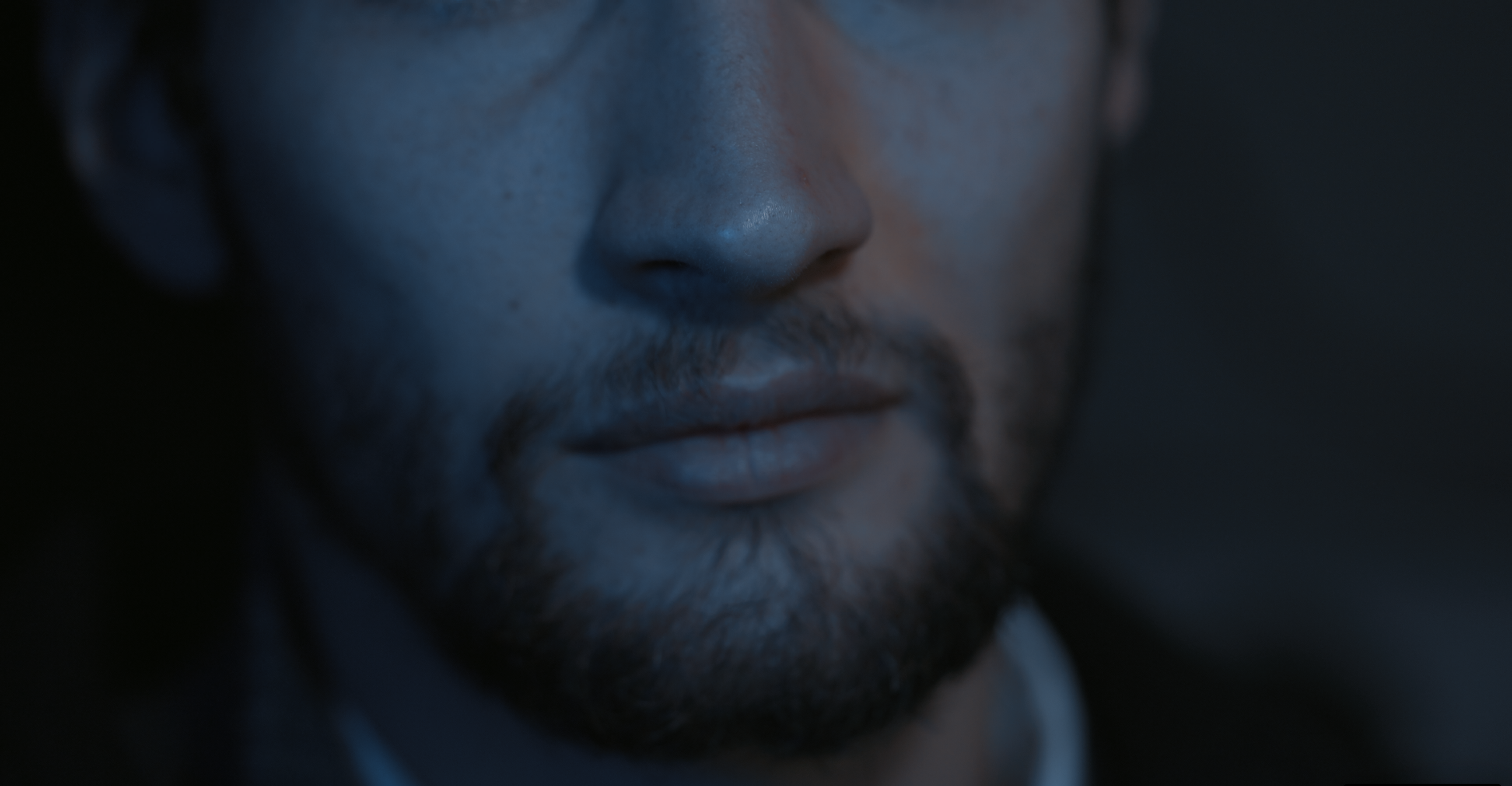
Here the challenge was keeping his skin tones natural in such a cold environment. Isolating the face and added subtle softness to stop it from going too cyan, while letting the background stay intentionally cold.

Final Graded Shot 4
Before Shot 4
After Shot 4

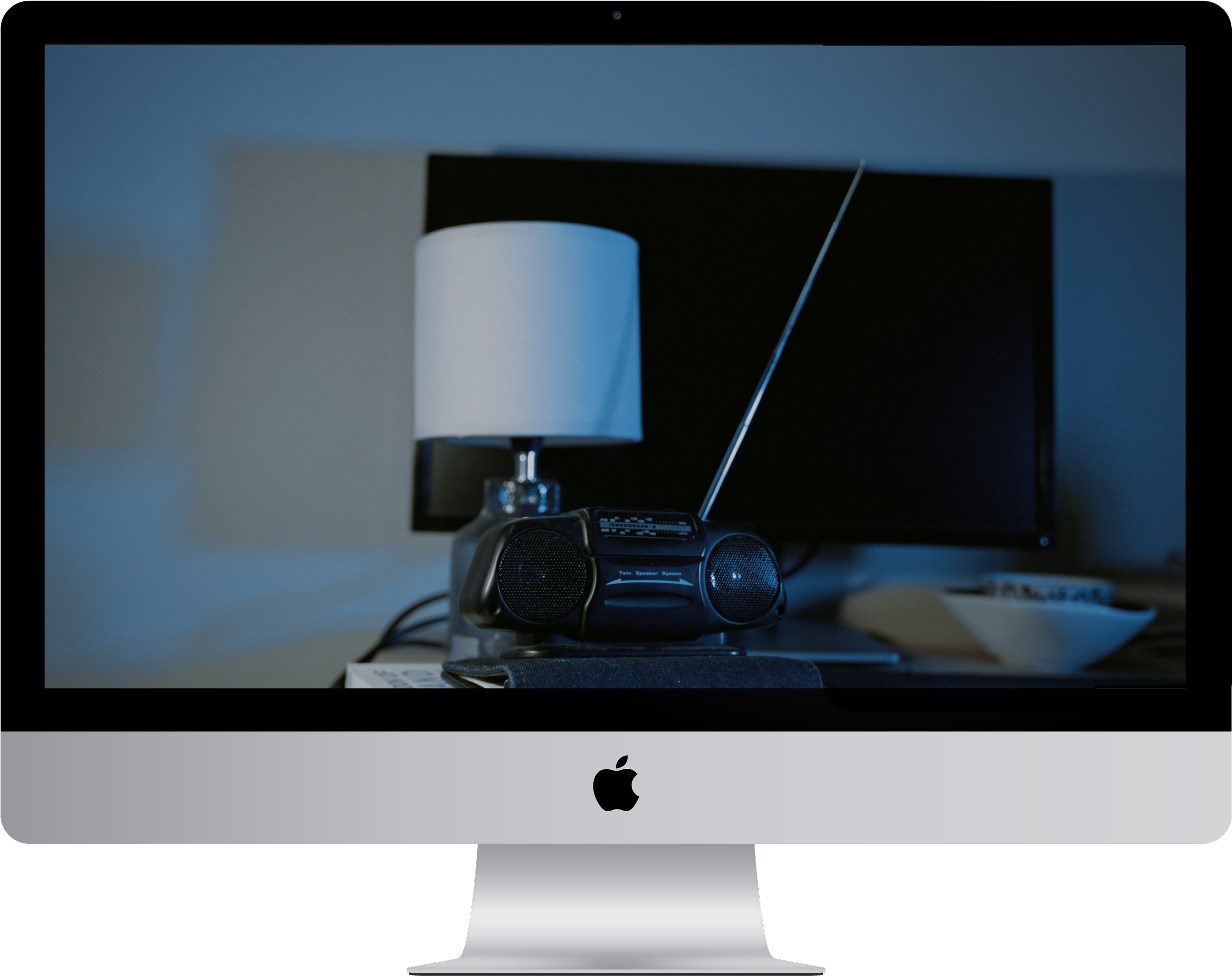
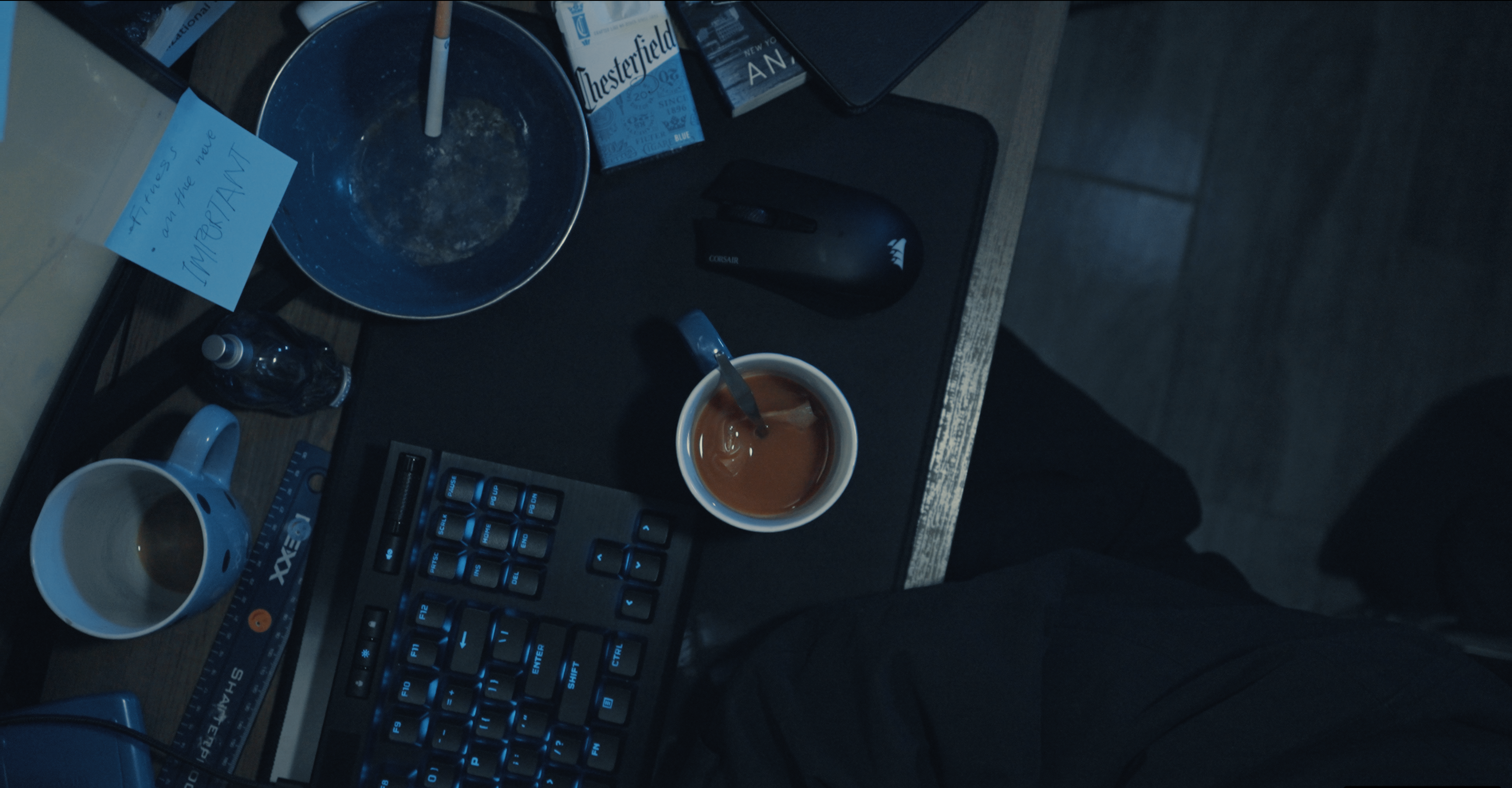
This object shot needed micro-contrast adjustments so the dark surfaces didn’t turn into a flat silhouette. Boosting texture in the shadows while keeping the overall colour grade consistent with the chilly environment.

Final Graded Shot 5
Before Shot 5
After Shot 5

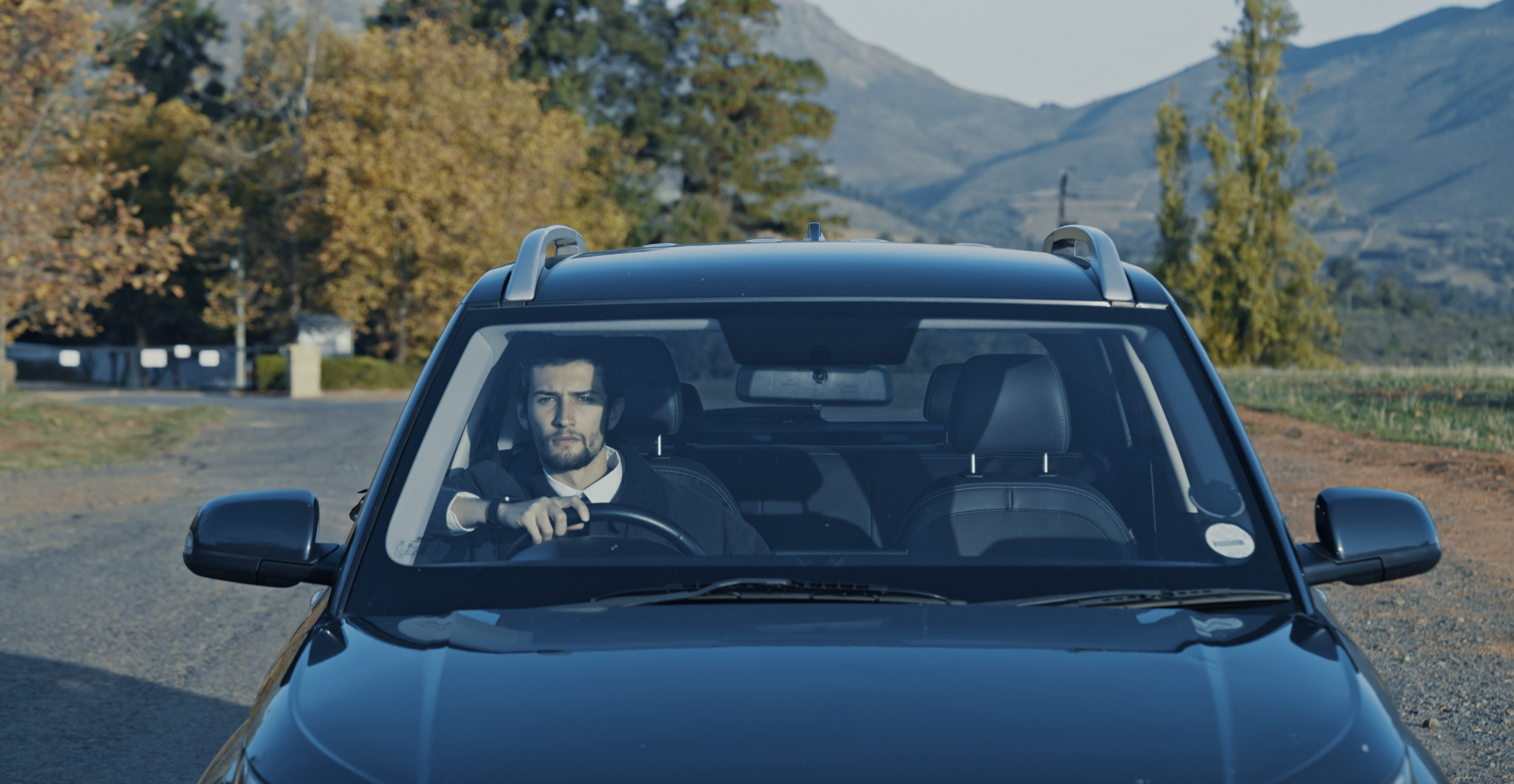
Because this was shot outside, natural greens needed to be controlled so they didn’t overwhelm the frame. Desaturating the foliage slightly and shifted it into a more neutral tone so the warmth of the flame became the visual focus. The colour grading is slightly warmer, giving a hint to how Dan's getting closer to Mira.

Final Graded Shot 6
Before Shot 6
After Shot 6

This shot relied heavily on shaping the mid-tones to make the building feel slightly eerie and institutional. Lifting the shadows just enough for detail, but kept the overall grade desaturated so it still felt uneasy and disconnected. The colour grading is slightly warmer, giving a hint to how Dan's getting closer to Mira.
Dan Process Dan Process Dan Process Dan Process Dan Process

SOUND RHYTHM & ALIGNMENT

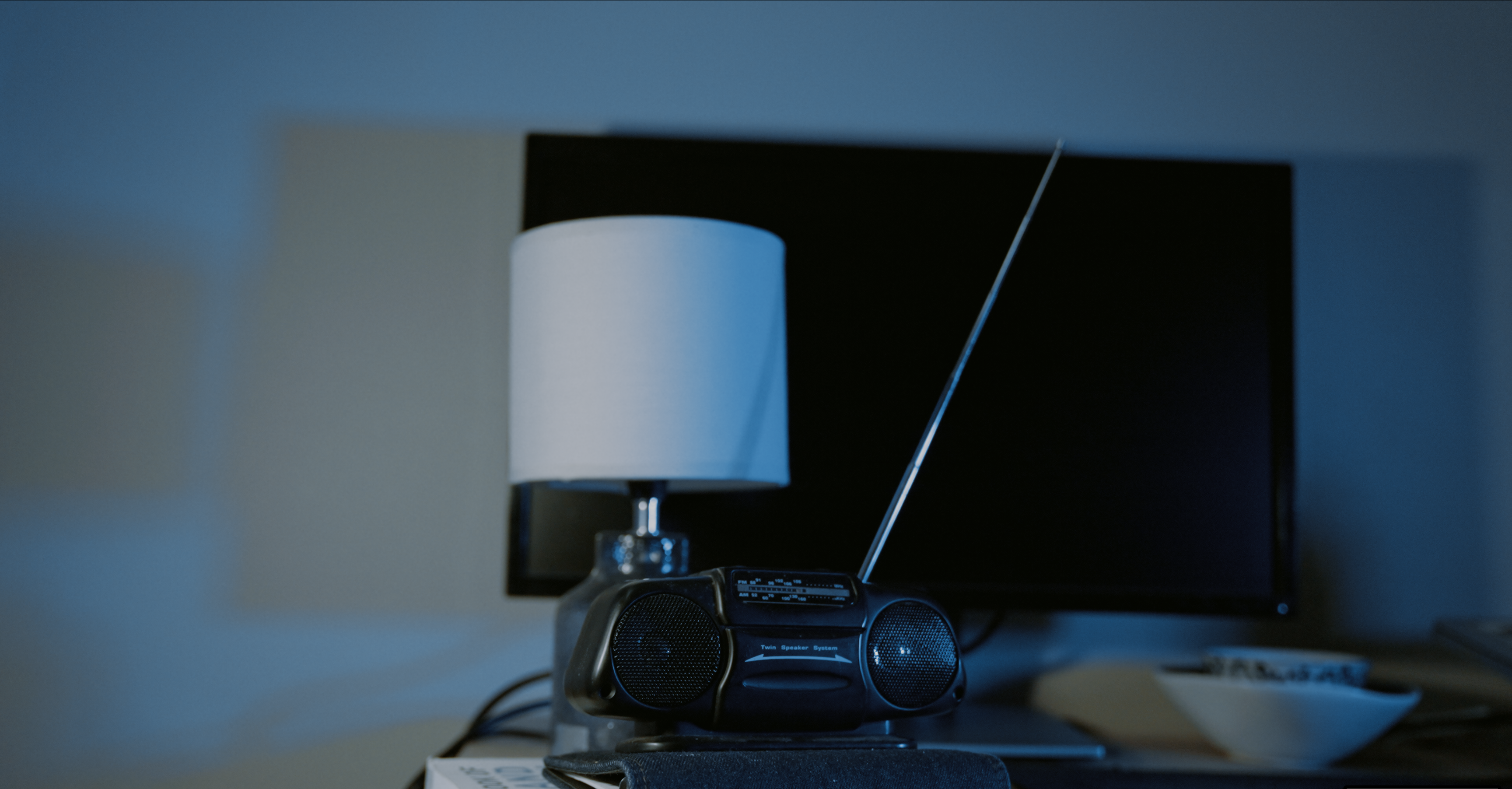
The attention to detail came down to the sound. There was some sound captured during filming but there was a lot of scouring the internet to find the perfect ambient sound for certain moments. Moments like the keyboard tapping and clicking, the sound of the tap, the broadcast sounding like being on a radio or most importantly footsteps. The footstep sounds were probably the hardest to make sure it fits perfectly timing wise A lot of effort was put into the music as well, as to not overwhelm different scenes.
Scene 2 Top Moments

Scene 2 Top Moments Thumbnail

A few aligned beats from Scene 2 highlighting visual and sound symmetry.

Broadcaster Sound

Broadcaster Thumbnail

Focused on the broadcaster voice treatment and timing.

Footsteps

Footsteps Thumbnail

Example of micro sync where movement and sound land together.

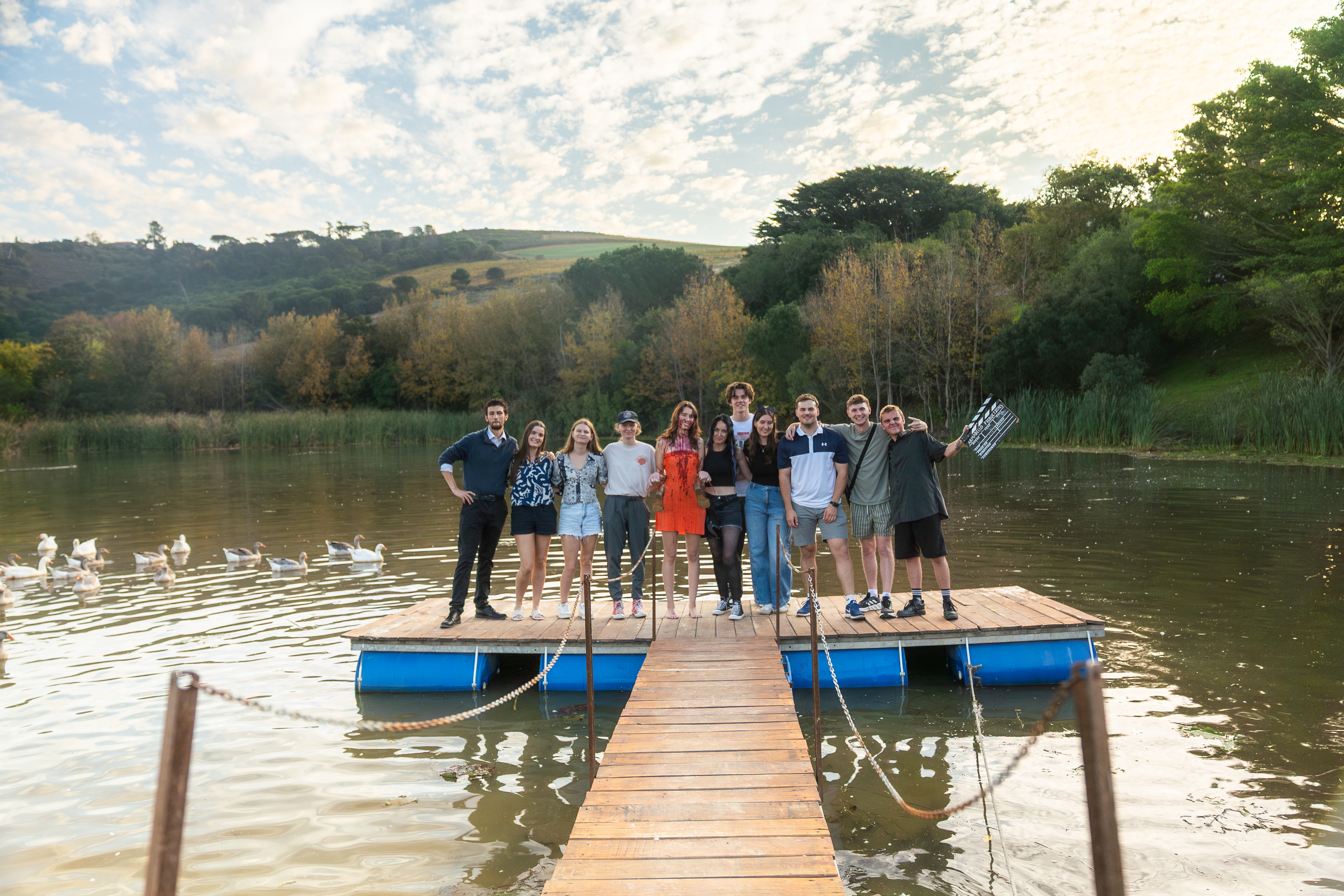
THE CREW

Plan B Film Studio

Rachel Morrish

Rachel Morrish

Director & Storyboard Artist

Wessie van der Westhuizen

Wessie van der Westhuizen

Executive Producer

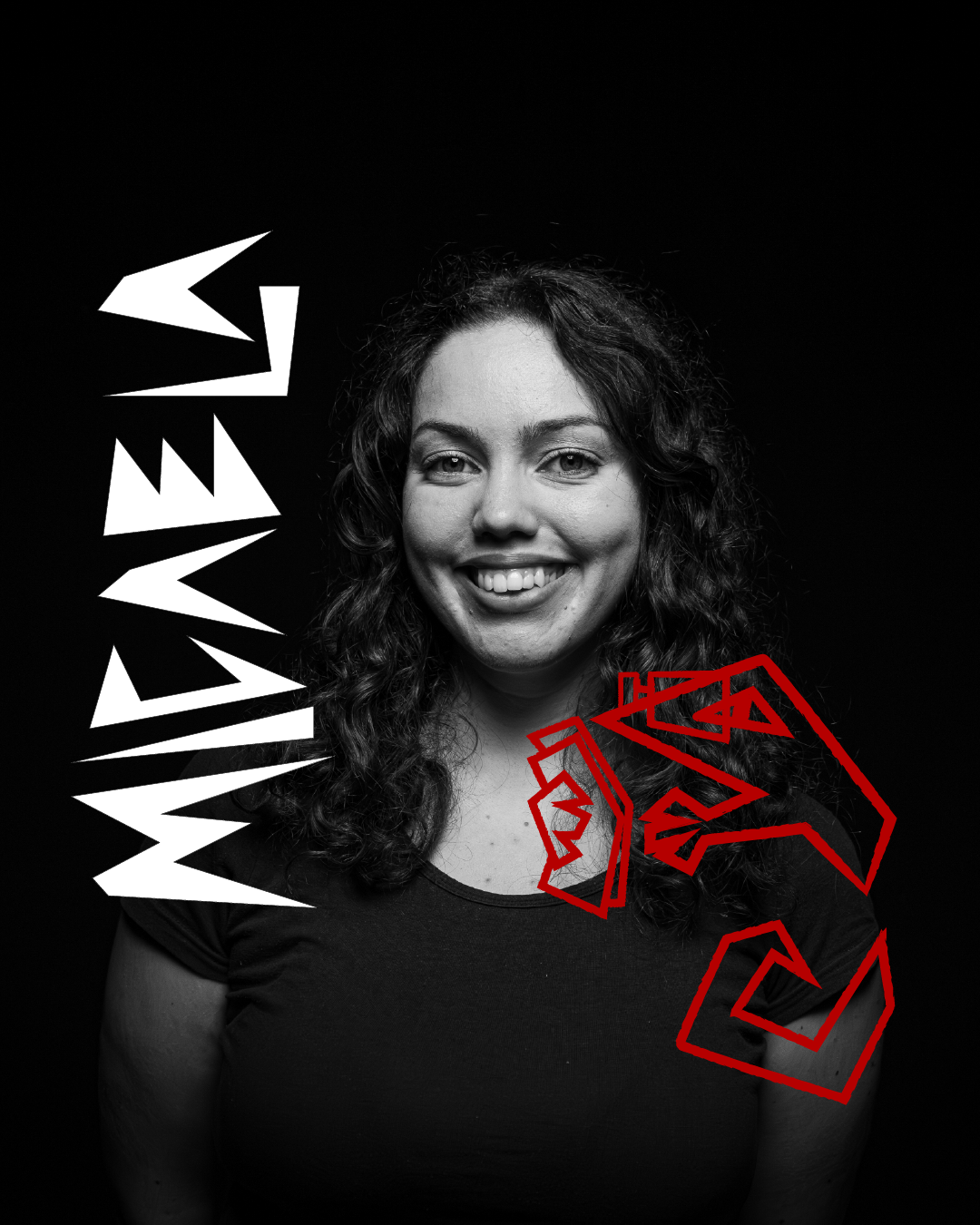
Micaela Mahieu

Micaela Mahieu

Producer

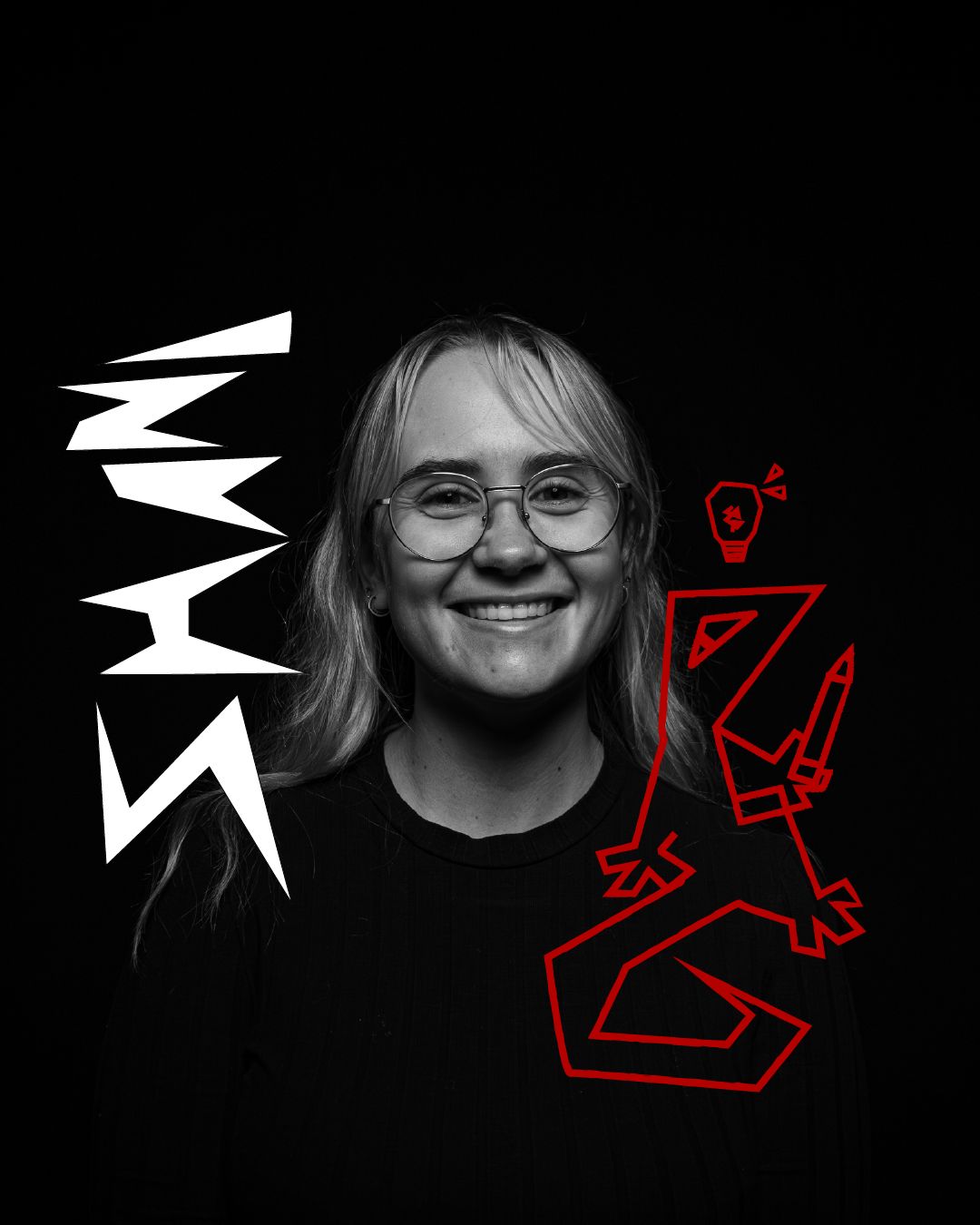
Shani Botha

Shani Botha

Writer

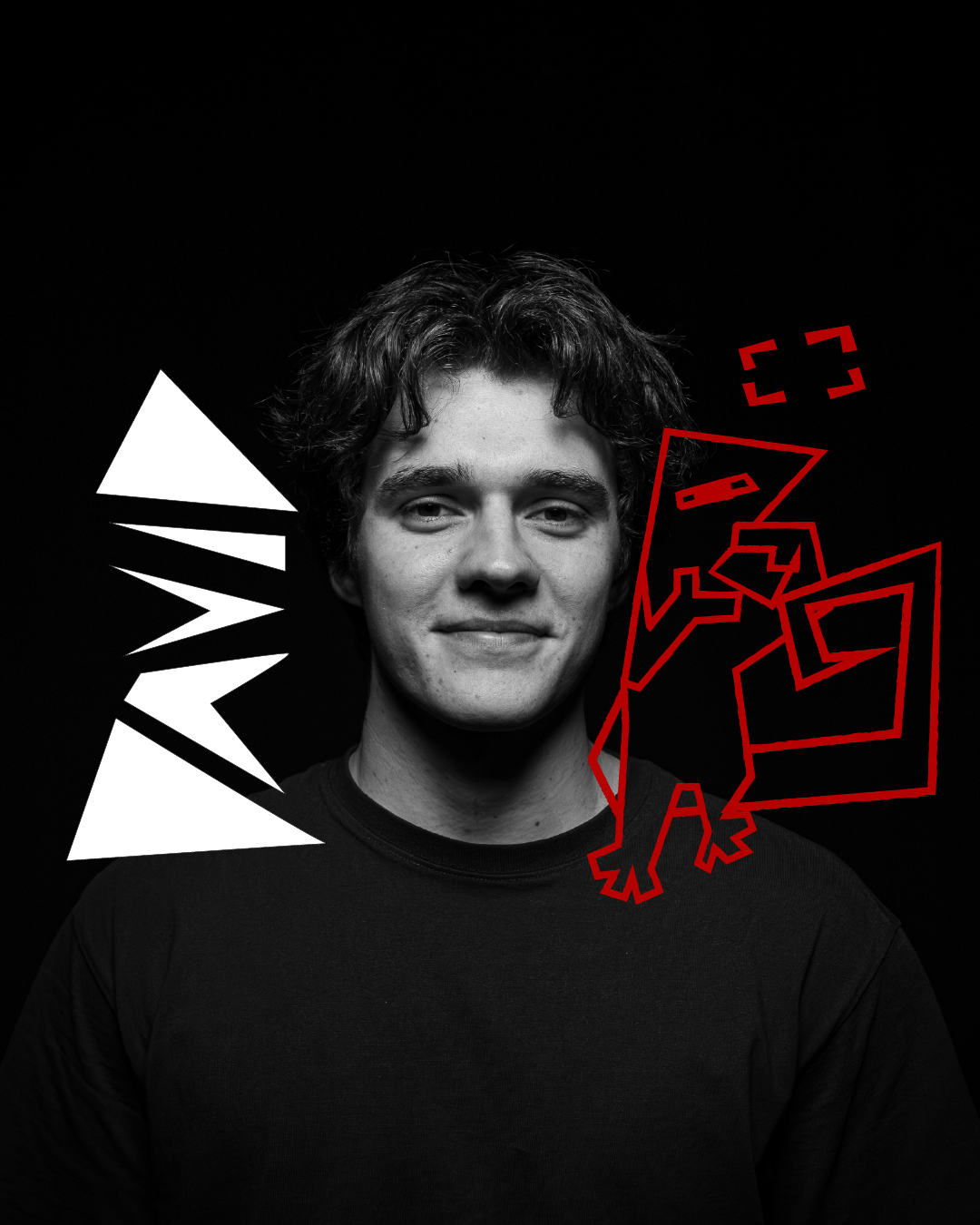
David van Zyl

David van Zyl

Director of Photography

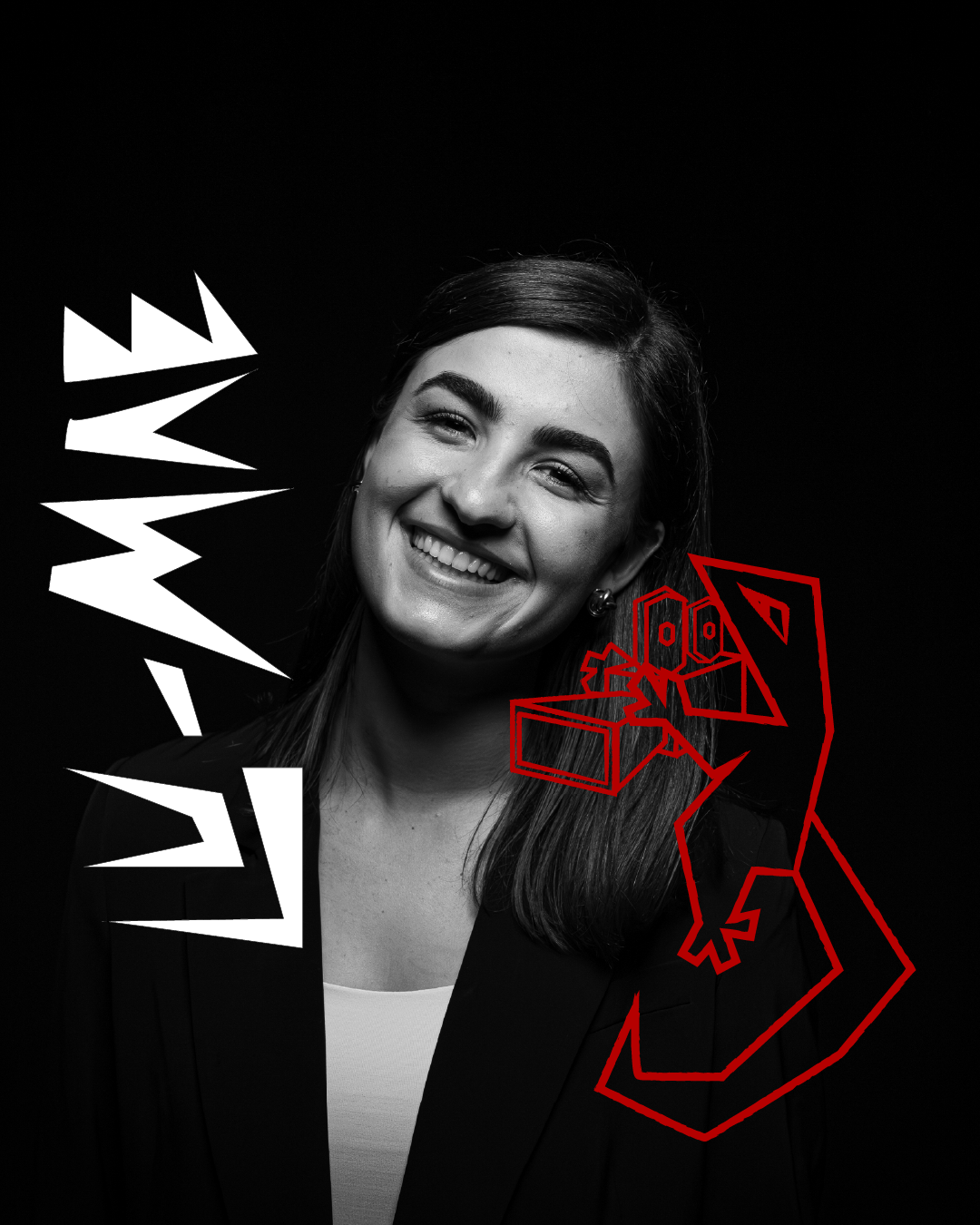
Lu-Maw Schoeman

Lu-Mae Schoeman

Camera Operator

Anke Smit

Anke Smit

Grip

Katerina Schoombee

Katerina Schoombee

Lighting

Annemé Vos

Annemé Vos

Art Direction

Ilandré Viljoen

Ilandré Viljoen

Graphic Design & Title Sequence

Robyn Bath

Robyn Bath

Marketing & Sponsorship

Lisa Stumph

Lisa Stumph

Sound & Score

Ghite van Tonder

Ghite van Tonder

Editing & VFX

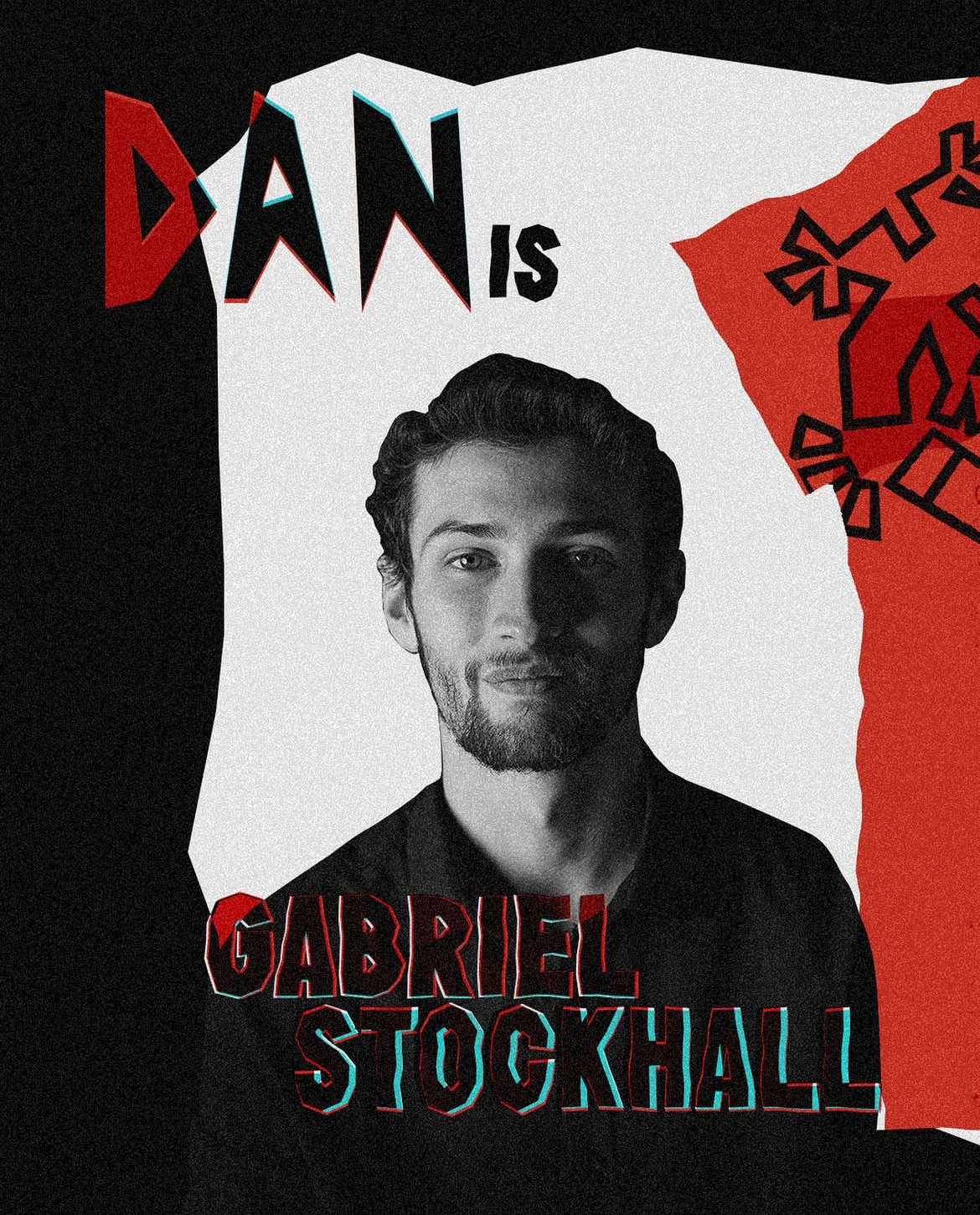
Gabriel Stockhall

Gabriel Stockhall

Dan (Lead Actor)

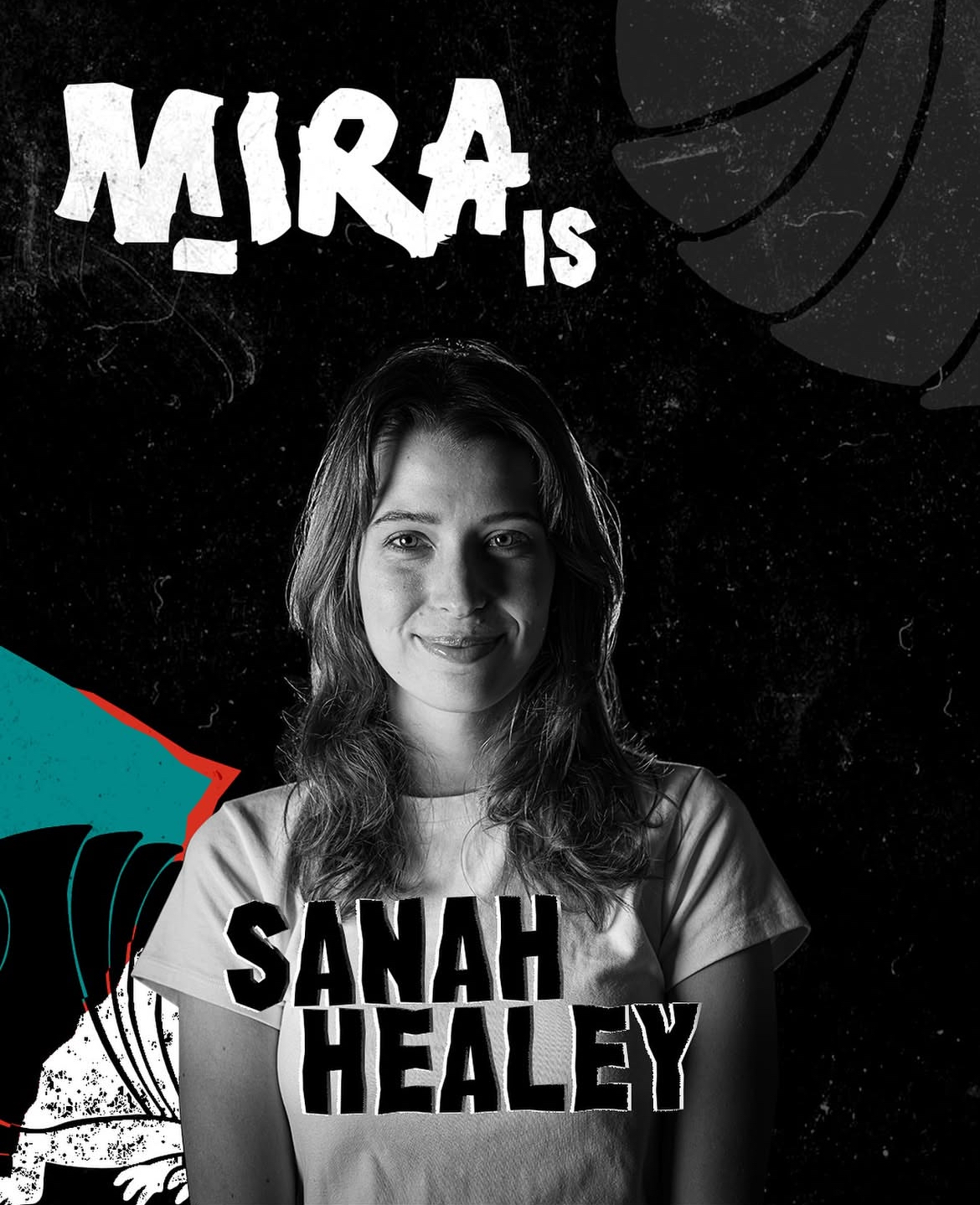
Sanah Healey

Sanah Healey

Mira (Lead Actor)

Premiere long banner

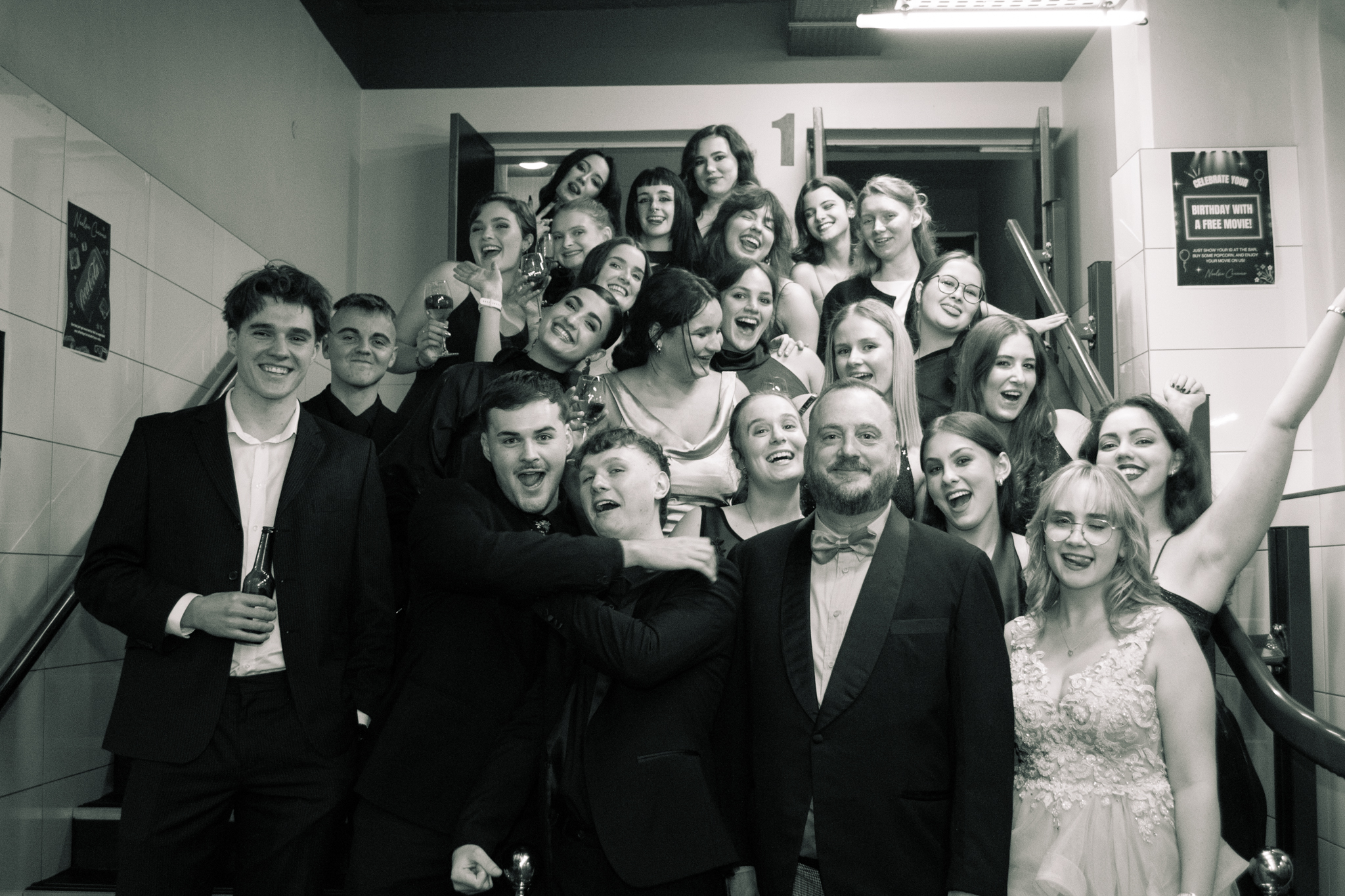
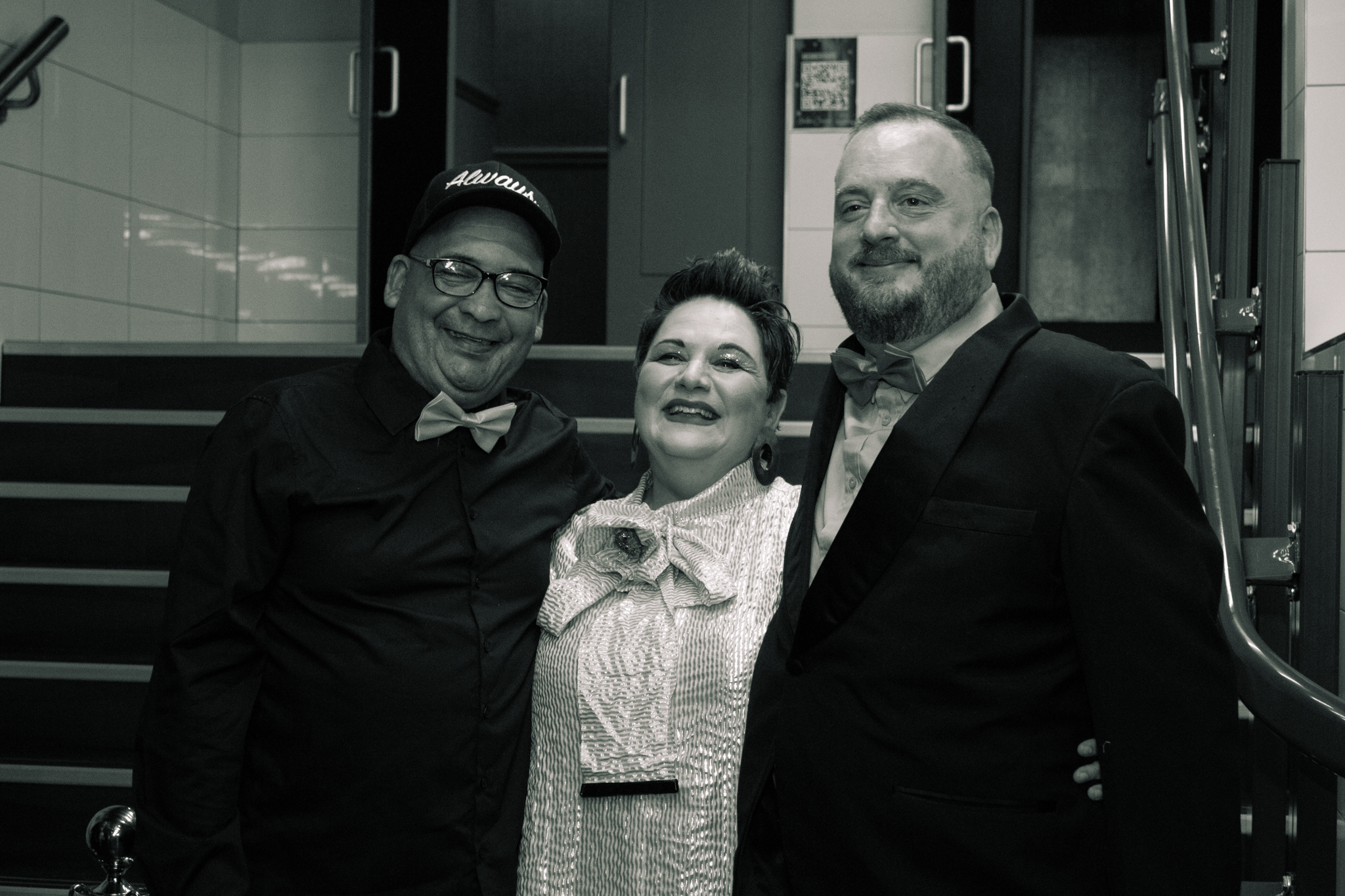
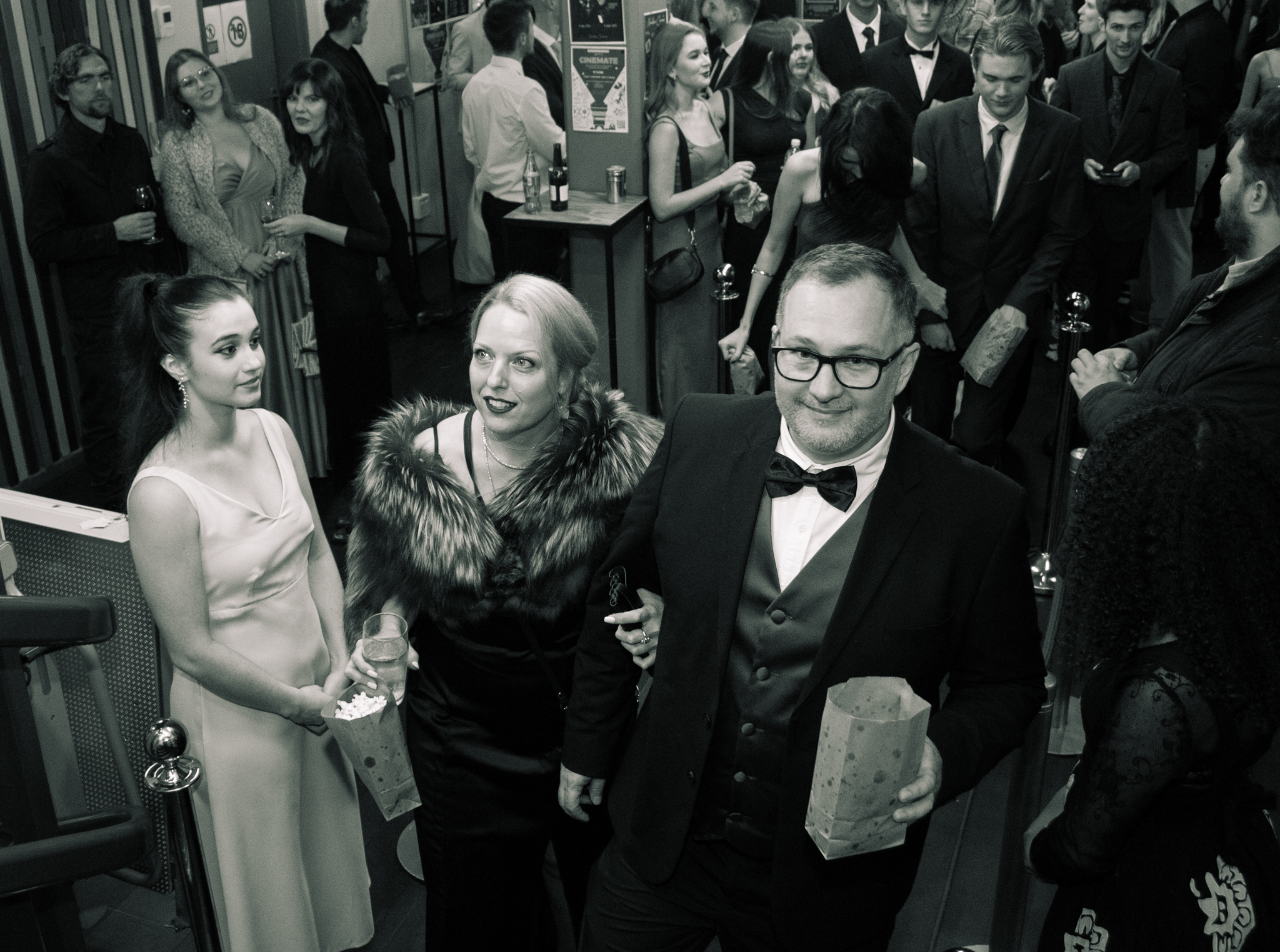
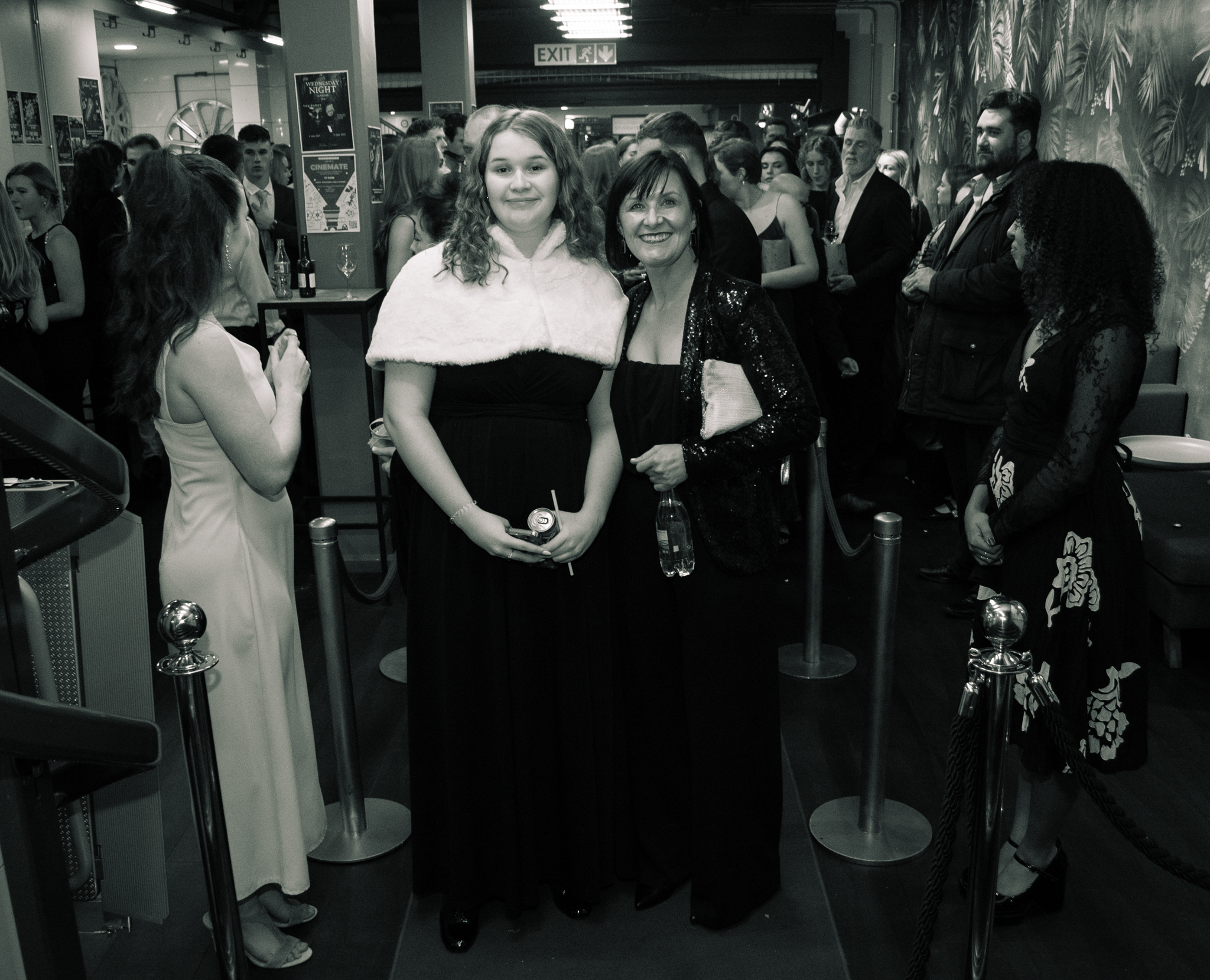
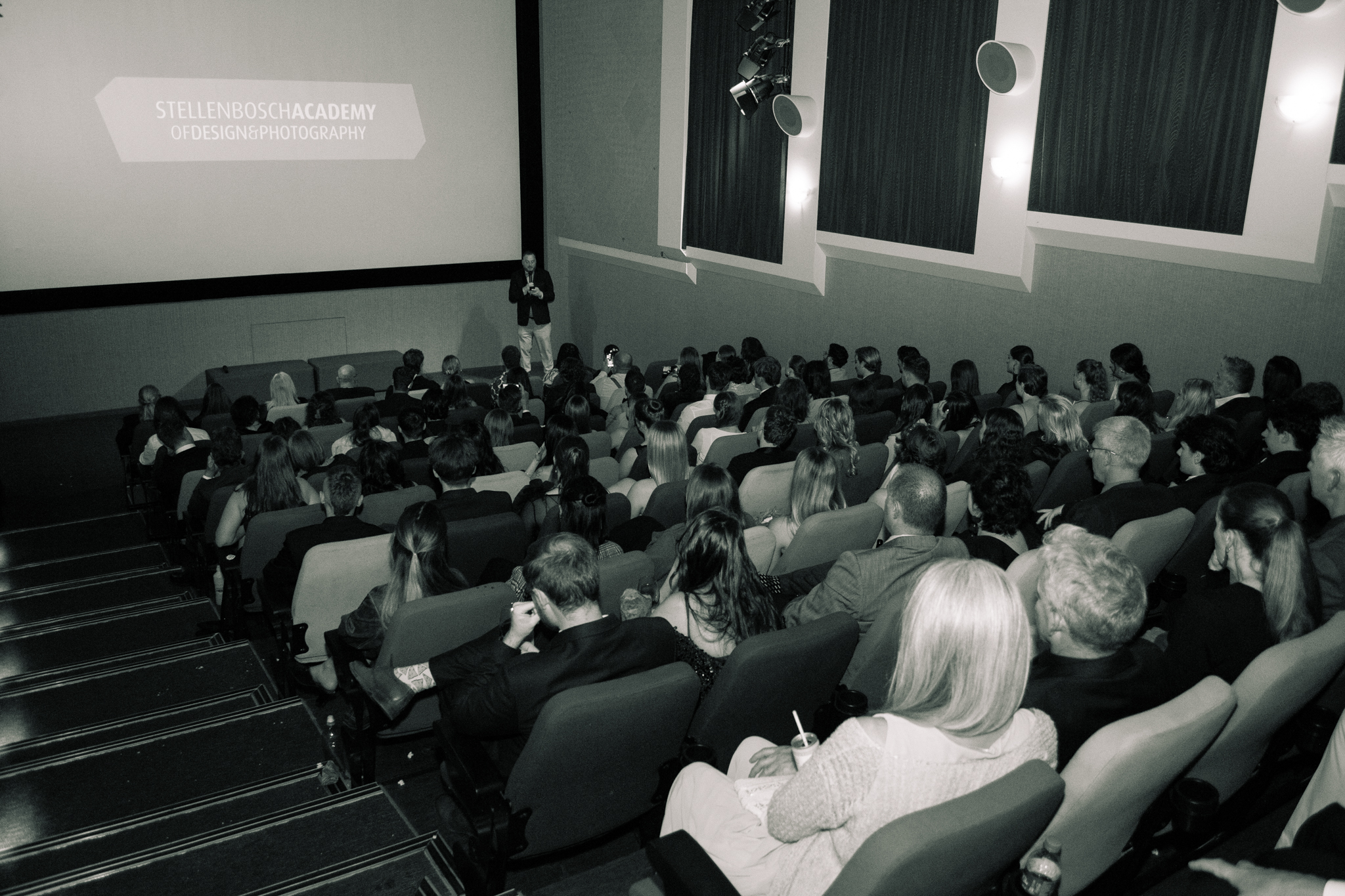
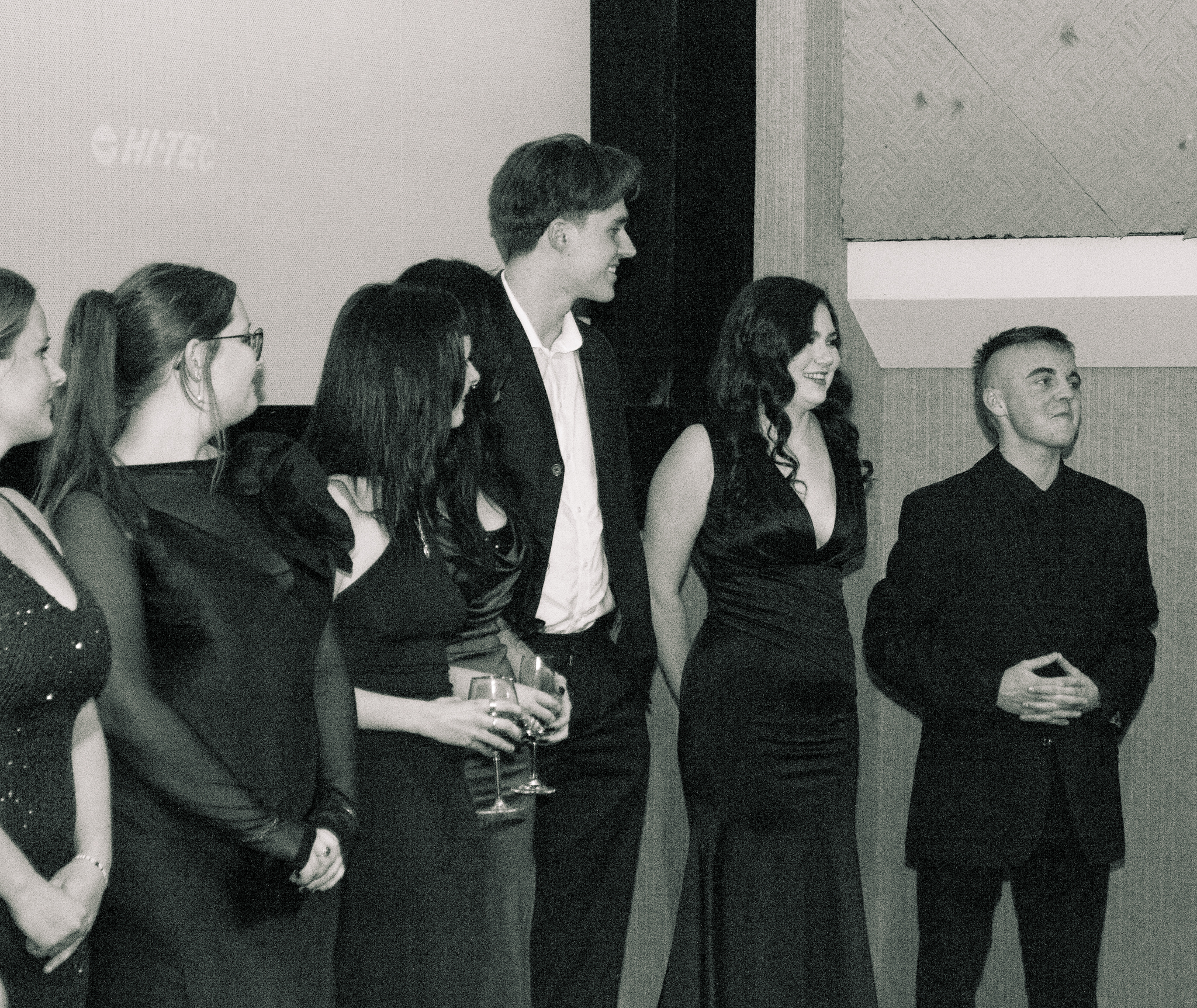
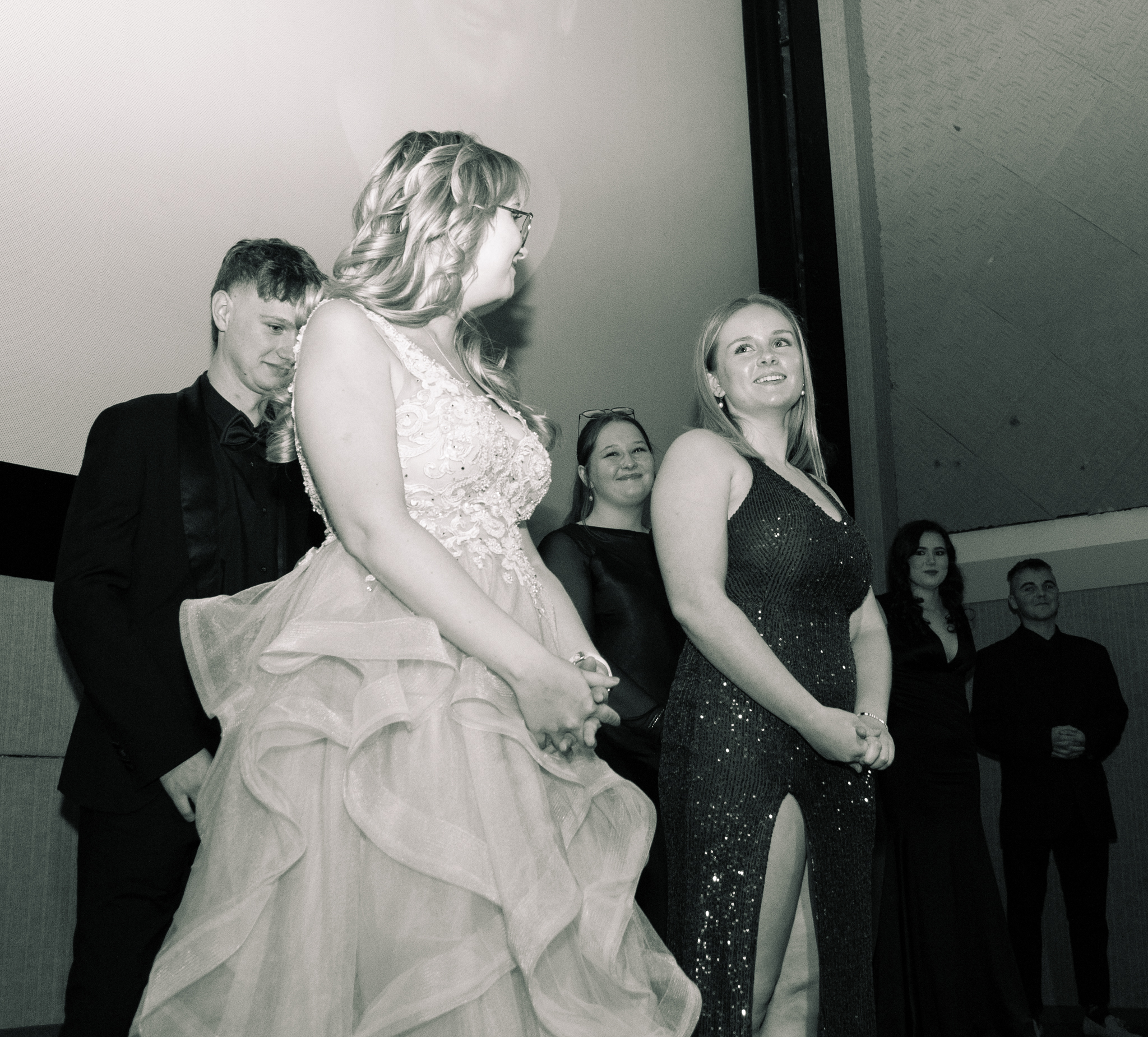
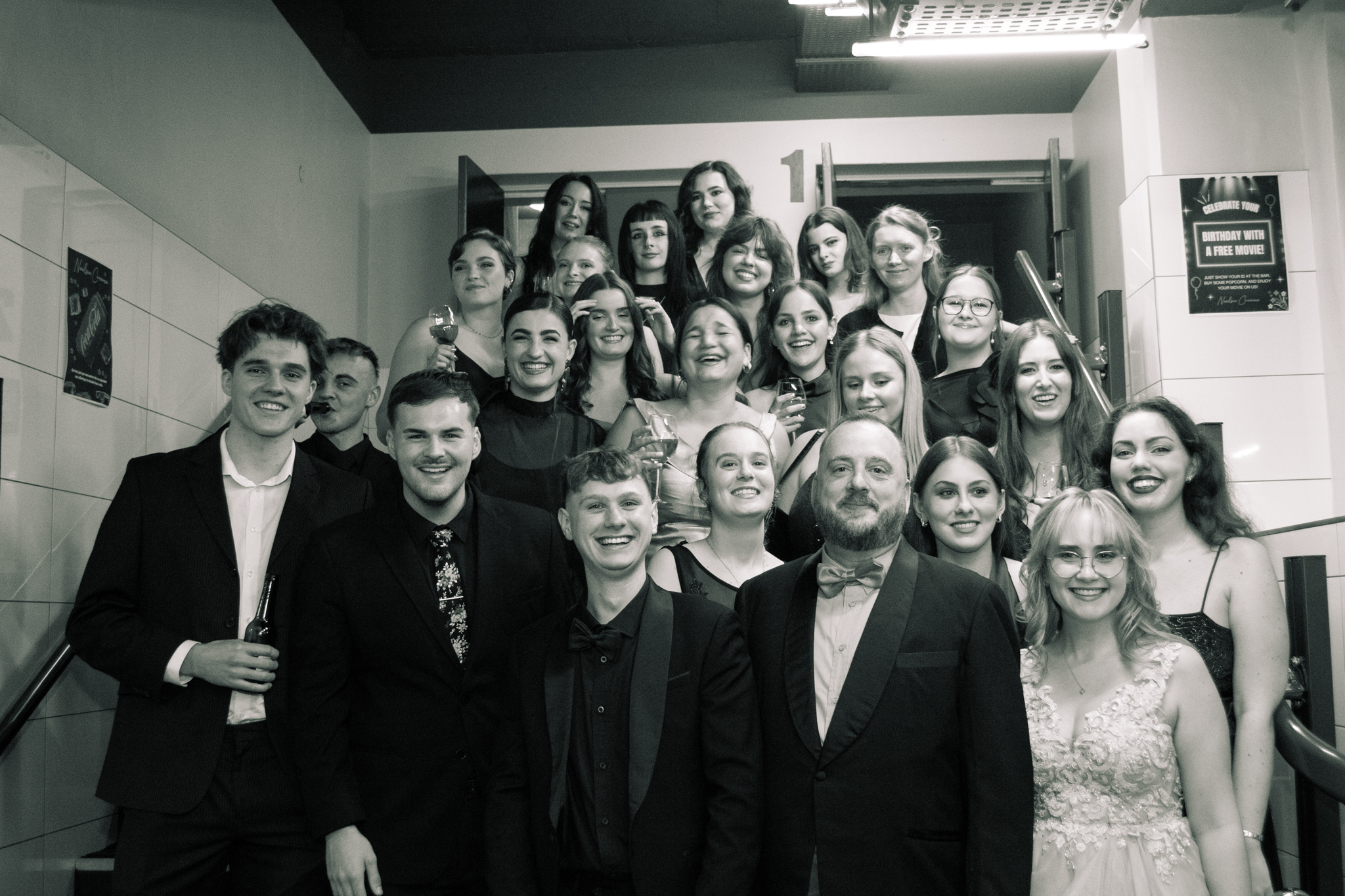
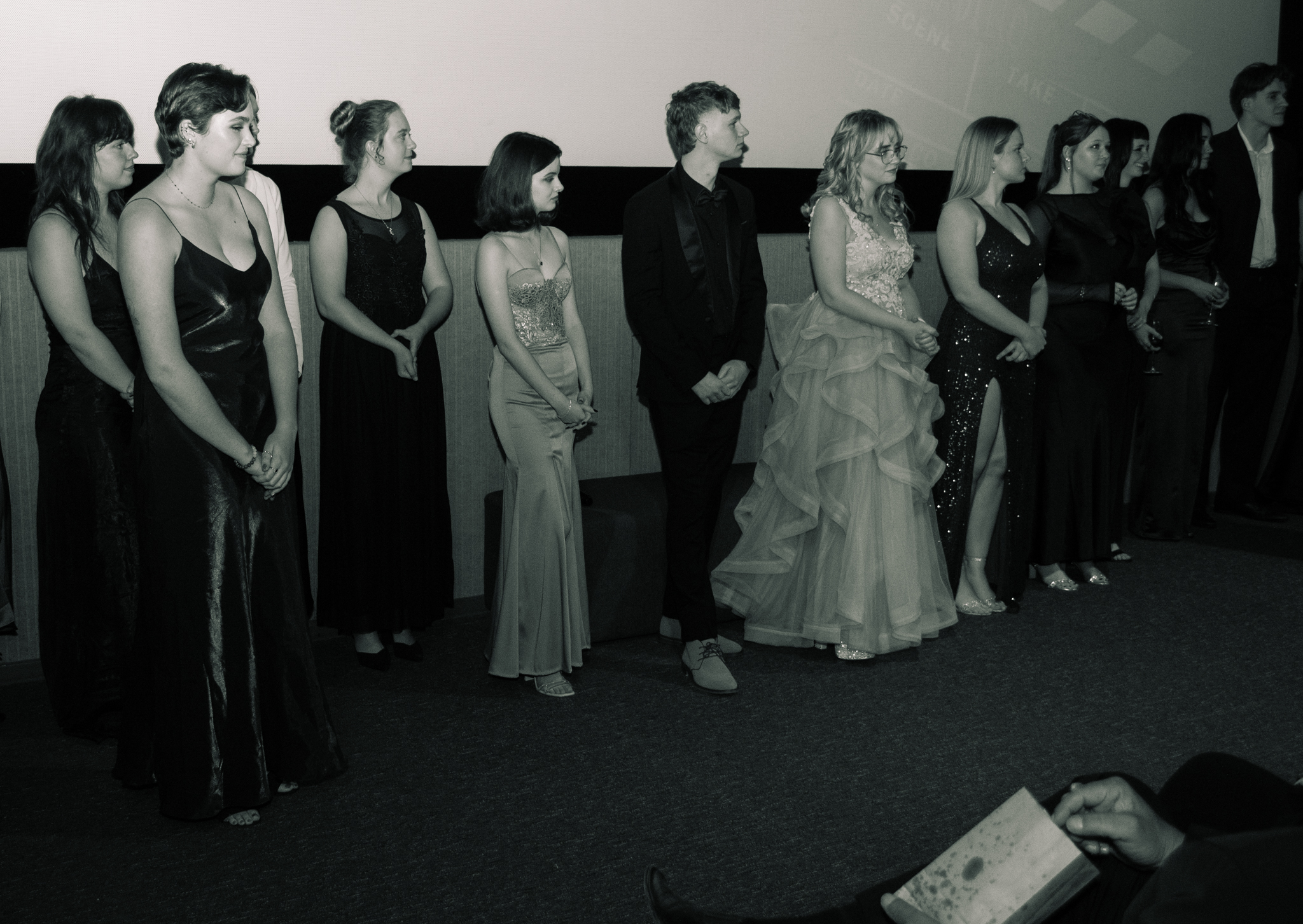
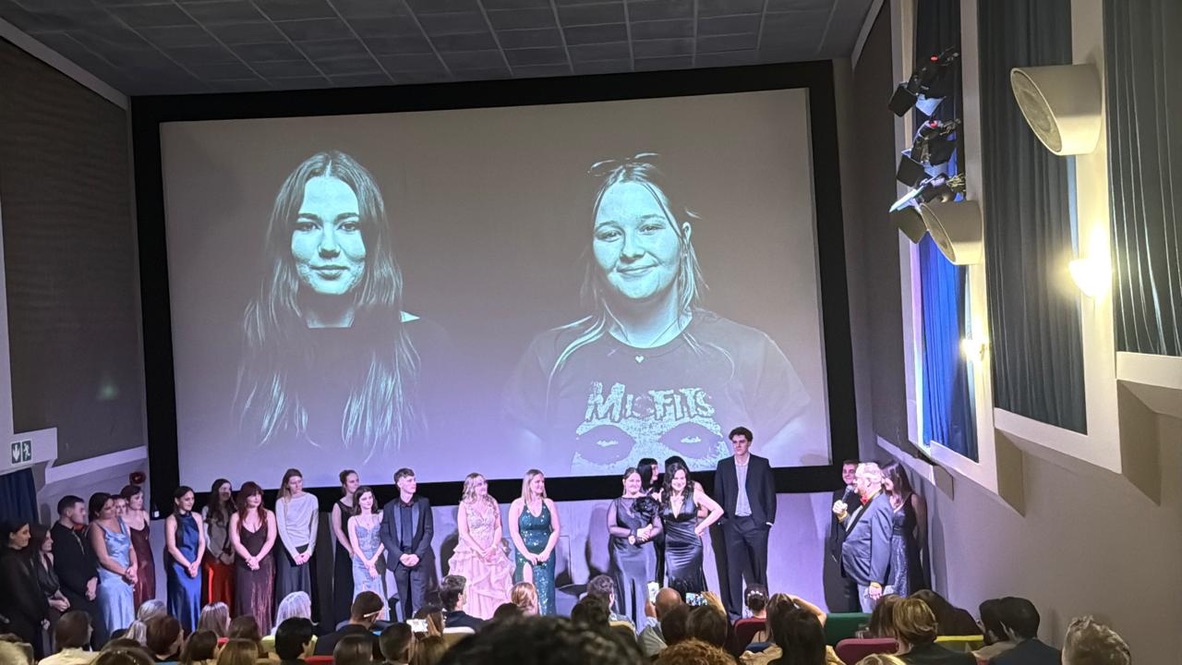
★ PREMIERE NIGHT ★

A Night to Remember

Premiere Premiere Premiere Premiere Premiere Premiere Premiere Premiere Premiere Premiere Premiere

THE FILM

Showreel